Understanding Gemstones
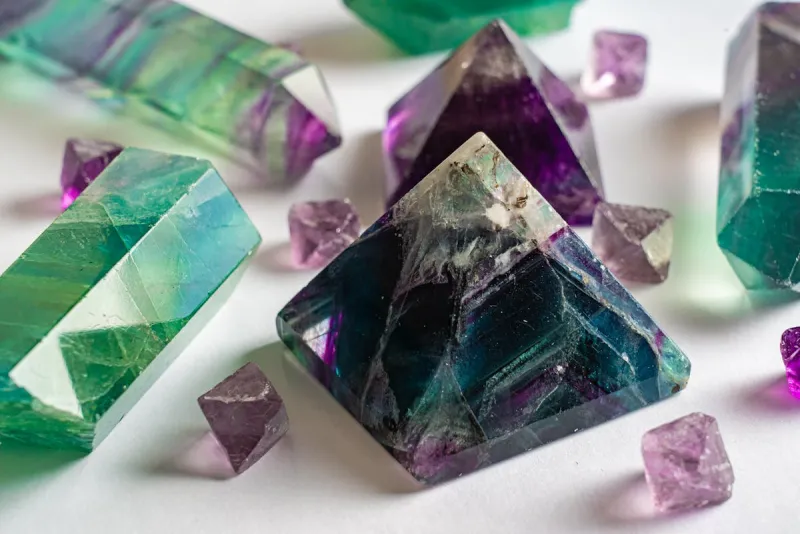
Gemstones have fascinated humanity for thousands of years. From the fiery red of a ruby to the cool blue shimmer of an aquamarine, coloured gemstones offer a dazzling alternative to diamonds and bring personality, meaning, and vibrancy to every piece of jewellery. Whether you are selecting a birthstone gift, building a gemstone collection, or choosing the perfect engagement ring centre stone, understanding the world of gemstones will help you make confident, informed decisions.
At Diamonds and Gem, our gemstone guides cover everything from individual stone profiles to comparison articles and broader educational topics. Below you will find an overview of each category along with links to our in-depth guides.
Precious vs Semi-Precious Gemstones
Traditionally, gemstones are divided into two groups. The precious gemstones, which include rubies, sapphires, and emeralds, have historically commanded the highest prices due to their rarity, hardness, and beauty. Semi-precious gemstones such as amethyst, topaz, garnet, opal, aquamarine, citrine, and tanzanite can still be extraordinarily valuable, especially when they display exceptional colour, clarity, and size.
It is worth noting that the distinction between precious and semi-precious is largely a marketing convention rather than a scientific classification. A top-quality tanzanite or Paraiba tourmaline can far exceed the value of a lower-grade ruby. Our guide on the most expensive gemstones explores this topic in detail.
Individual Gemstone Guides
Each of our gemstone profiles covers the stone's history, physical and optical properties, grading criteria, notable sources, care instructions, and buying tips. Whether you are a first-time buyer or an experienced collector, these guides provide the practical knowledge you need.
- Ruby – The king of gemstones, prized for its vivid red colour and exceptional hardness.
- Sapphire – Best known in blue, but available in every colour except red.
- Emerald – The quintessential green gemstone, steeped in history and lore.
- Amethyst – A popular purple variety of quartz with royal associations.
- Topaz – A versatile stone available in blue, pink, imperial orange, and more.
- Garnet – A diverse mineral group offering colours from deep red to vivid green.
- Opal – Famous for its mesmerising play of colour and unique optical effects.
- Aquamarine – A serene blue beryl that evokes the colour of the sea.
- Citrine – A warm yellow to orange quartz popular in autumn-toned jewellery.
- Tanzanite – A rare trichroic stone found only in Tanzania.
- Pearl – The only gemstone created by a living organism, prized for its lustrous beauty.
- Tourmaline – One of the most colour-diverse gemstones, including the prized neon Paraiba variety.
Gemstone Comparison Guides
Many gemstones look similar at first glance but differ considerably in hardness, value, and durability. Our comparison guides help you understand the key differences so you can choose the right stone for your needs and budget.
- Ruby vs Garnet – Both red, but worlds apart in value and properties.
- Sapphire vs Topaz – Comparing two popular blue stones.
- Emerald vs Peridot – Two greens with very different characters.
- Amethyst vs Purple Sapphire – Affordable quartz meets premium corundum.
- Opal vs Moonstone – Two phenomenal stones with unique optical effects.
Educational Topics
Beyond individual stones, we cover broader topics that every gemstone enthusiast should understand. These guides offer context and practical frameworks for evaluating and comparing any gemstone.
- Birthstones by Month – The complete guide to birthstone traditions.
- Gemstone Hardness Chart – Understanding the Mohs scale and durability.
- Natural vs Synthetic Gemstones – How lab-created stones compare.
- Most Expensive & Rare Gemstones – What drives gemstone prices to record highs, plus the rarest stones collectors seek out.
- Gemstone Treatments – Understand heat treatment, oiling, irradiation, and how they affect value.
Key Factors When Evaluating Gemstones
While diamonds are graded using the well-known 4Cs, coloured gemstones are evaluated with a slightly different set of priorities. Here are the factors that matter most.
| Factor | Why It Matters |
|---|---|
| Colour | The single most important value driver for coloured gemstones. Hue, saturation, and tone all play a role. |
| Clarity | Inclusions are more accepted in some stones (emeralds) than others (aquamarine). Know the standards for each gem. |
| Cut | A well-cut gemstone maximises colour and brilliance. Poor cuts can make even fine rough look dull. |
| Carat Weight | Larger stones are rarer, and price-per-carat increases exponentially at key weight thresholds. |
| Treatments | Most gemstones are treated to enhance colour or clarity. Untreated stones of fine quality carry a premium. |
| Origin | Certain origins, such as Kashmir for sapphires or Colombia for emeralds, command higher prices. |
How Gemstones Are Used in Jewellery
Coloured gemstones appear in virtually every type of jewellery. Harder stones like sapphire and ruby are excellent choices for engagement rings and everyday wear, while softer stones like opal and tanzanite are better suited to earrings, pendants, and occasion pieces. Our buying guides offer setting and style advice for each stone, and our jewellery care section explains how to clean and store gemstone jewellery safely.
Choosing the right metal is also important. White gold and platinum tend to complement cooler-toned stones like sapphire and aquamarine, while yellow gold pairs beautifully with warmer stones like citrine, garnet, and ruby. Rose gold offers a romantic backdrop for pink tourmaline, morganite, and amethyst.
Start Exploring
Use the guides listed above to begin your gemstone education. Each article is written to be self-contained, so feel free to jump straight to the stone or topic that interests you most. If you are comparing gemstones for a specific purchase, our comparison articles and buying guides are the best place to start.
Frequently Asked Questions
What is the most valuable gemstone?
Per carat, fine-quality rubies, particularly those from Myanmar (Burma), consistently rank among the most valuable gemstones in the world. However, exceptionally rare stones like red diamonds and top-colour Paraiba tourmalines can exceed ruby prices. See our most expensive gemstones guide for a detailed breakdown.
Are gemstones a good investment?
High-quality, untreated gemstones from recognised origins have historically held and increased their value over time. However, gemstones are illiquid assets and should be purchased primarily for enjoyment rather than as a speculative investment.
How can I tell if a gemstone is real?
A certified gemmological laboratory report is the most reliable way to confirm a gemstone's identity and any treatments. Reputable labs include the GIA, SSEF, Gubelin, and AGL. Our guide on natural vs synthetic gemstones explains the differences in detail.
What gemstone is best for an engagement ring?
Sapphire is the most popular coloured gemstone for engagement rings thanks to its hardness of 9 on the Mohs scale and wide range of colours. Ruby is equally durable and offers a bold alternative. Our hardness chart can help you evaluate durability for daily wear.