Sapphire: The September Birthstone
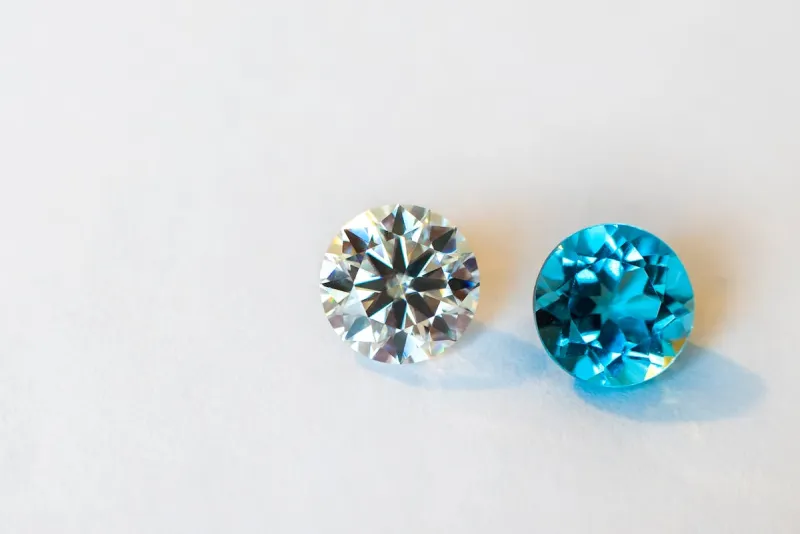
Sapphire is one of the most beloved and versatile gemstones in the world. While most people picture a deep blue stone when they think of sapphire, this member of the corundum family actually comes in virtually every colour of the rainbow, from velvety blue to vivid pink, golden yellow, and even colour-changing varieties. Sapphire's exceptional hardness, brilliant lustre, and broad colour palette make it one of the most popular choices for engagement rings, fine jewellery, and heirloom pieces.
Sapphire Properties and Characteristics
Like ruby, sapphire is a variety of the mineral corundum. Any gem-quality corundum that is not red is classified as sapphire. The blue colour in sapphires is caused by trace amounts of iron and titanium, while other colours result from different combinations of trace elements including chromium (pink), iron (yellow and green), and vanadium (colour-change).
| Property | Details |
|---|---|
| Mineral | Corundum (Al2O3) |
| Mohs Hardness | 9 |
| Refractive Index | 1.762 – 1.770 |
| Specific Gravity | 3.95 – 4.03 |
| Crystal System | Trigonal (hexagonal) |
| Lustre | Vitreous to sub-adamantine |
| Birthstone Month | September |
| Colour Range | Blue, pink, yellow, green, orange, purple, colourless, parti-coloured |
Blue Sapphire Colour Grading
For blue sapphires, colour is the primary value driver. The most desirable blue sapphires exhibit a vivid, saturated blue with a medium to medium-dark tone. Stones that are too dark appear inky and lose their brilliance, while very light stones lack the depth that collectors prize.
- Cornflower blue – A medium-toned, slightly violet-blue that is particularly associated with Kashmir and Sri Lankan sapphires. This soft, velvety blue is highly coveted.
- Royal blue – A deeper, more saturated blue with strong colour concentration. This shade is often associated with Burmese and Madagascan sapphires.
- Teal or parti-coloured – Sapphires that blend blue with green or yellow, increasingly popular in contemporary jewellery design.
Fancy Colour Sapphires
Sapphires that are not blue are called "fancy" sapphires. Some of the most notable varieties include:
Padparadscha Sapphire
The rarest and most valuable fancy sapphire, padparadscha displays a delicate blend of pink and orange, reminiscent of a lotus blossom. Genuine padparadscha sapphires command extremely high prices and are predominantly found in Sri Lanka.
Pink Sapphire
Coloured by chromium, pink sapphires range from soft pastel to vivid hot pink. They have surged in popularity for engagement rings and fashion jewellery. The boundary between pink sapphire and ruby is a matter of ongoing debate among gemmological labs.
Yellow and Golden Sapphire
Yellow sapphires are coloured by iron and range from pale lemon to rich golden hues. Fine yellow sapphires from Sri Lanka are particularly prized and offer excellent value compared to blue stones.
Colour-Change Sapphire
These remarkable stones shift colour depending on the light source, typically appearing blue or violet in daylight and purple or reddish under incandescent light. The effect is caused by vanadium and chromium trace elements.
Sapphire Origins
Kashmir
Kashmir sapphires are legendary. Mined between approximately 1881 and 1930 in the Zanskar range of the Himalayas, these stones display a unique velvety blue caused by microscopic inclusions of rutile silk. No significant production has occurred since the 1930s, making Kashmir sapphires extremely rare and valuable at auction.
Sri Lanka (Ceylon)
Sri Lanka has been producing sapphires for over 2,000 years and remains one of the most important sources. Ceylon sapphires are known for their lighter, more brilliant blues and their exceptional clarity. The island is also the primary source of padparadscha sapphires.
Myanmar (Burma)
Burmese sapphires, particularly from the Mogok Valley, are prized for their intense, saturated "royal blue" colour. Fine Burmese sapphires are rare and command significant premiums.
Madagascar
Since the late 1990s, Madagascar has become a major sapphire producer. Deposits in Ilakaka and other regions yield stones in a wide range of colours and qualities, some rivalling the finest Ceylon and Burmese material.
Other Sources
Australia, Thailand, Tanzania, Montana (USA), Ethiopia, and Cambodia also produce notable sapphires. Montana sapphires, with their distinctive teal and blue-green colours, have gained a devoted following in recent years.
Sapphire Treatments
Like most coloured gemstones, the majority of sapphires on the market have been enhanced:
- Heat treatment – The most common treatment. Heating sapphires to high temperatures can improve colour and clarity. This is an accepted, stable enhancement. Unheated sapphires of fine quality trade at a 20-50% premium over heated equivalents.
- Beryllium diffusion – Beryllium is diffused into the stone to create or enhance orange, yellow, or padparadscha-like colours. This treatment should always be disclosed and significantly affects value.
- Lattice diffusion (titanium) – Titanium can be diffused into pale stones to add blue colour, but the colour may be only surface-deep. These stones are significantly less valuable.
- Fracture filling – Surface-reaching fractures may be filled with oil, resin, or glass. This reduces durability and should be clearly disclosed.
Sapphire Pricing
Blue sapphire prices span an enormous range. Key factors include colour quality, clarity, carat weight, origin, and treatment status.
- Commercial-grade (heated, moderate colour): $200 – $1,000 per carat
- Fine-quality (heated, good colour and clarity): $1,500 – $8,000 per carat
- Top-quality unheated: $5,000 – $30,000 per carat
- Exceptional Kashmir or Burmese unheated: $50,000 – $400,000+ per carat at auction
Buying Tips for Sapphires
- Focus on colour first – A well-coloured sapphire with minor inclusions will always outperform a clean but poorly coloured stone.
- Get a lab report – For sapphires over one carat, a report from GIA, Gubelin, or SSEF provides confidence in natural origin and treatment disclosure.
- View under multiple lights – Sapphires can appear different in daylight, fluorescent light, and incandescent light. The best stones perform well in all conditions.
- Consider fancy colours – Pink, yellow, and teal sapphires often offer better value than blue and can be equally stunning in jewellery.
- Choose the right setting – Blue sapphires pair beautifully with white metals like platinum and white gold, while yellow and pink sapphires complement both yellow and rose gold.
Sapphire in Jewellery
Sapphire's hardness of 9 makes it ideal for all jewellery types, including engagement rings worn daily. The most famous sapphire engagement ring is the 12-carat oval Ceylon sapphire given by Prince Charles to Princess Diana, now worn by Catherine, Princess of Wales. This single ring did more to popularise sapphire engagement rings than perhaps any other event in history.
Beyond engagement rings, sapphires are widely used in earrings, pendants, bracelets, and cocktail rings. They also pair beautifully with diamonds in cluster and halo settings.
Sapphire Care
Untreated and heat-treated sapphires can be cleaned safely with warm soapy water, ultrasonic cleaners, or steam cleaners. Avoid harsh chemicals and extreme temperature changes. Diffusion-treated or fracture-filled sapphires require more gentle care. For detailed instructions, see our jewellery care guide.
Frequently Asked Questions About Sapphires
Are sapphires only blue?
No. Sapphires come in virtually every colour, including pink, yellow, green, orange, purple, and colourless. The only colour not represented is red, which is classified as ruby. These non-blue varieties are called "fancy sapphires."
What is the difference between sapphire and topaz?
Sapphire (corundum) is significantly harder and more valuable than topaz. While both can appear blue, sapphire rates 9 on the Mohs scale versus 8 for topaz. See our sapphire vs topaz comparison for details.
Is sapphire good for an engagement ring?
Sapphire is one of the best gemstones for engagement rings. Its hardness of 9 makes it extremely durable for daily wear, second only to diamond. Sapphire engagement rings offer a distinctive, colourful alternative to traditional diamond rings.
What makes Kashmir sapphires so valuable?
Kashmir sapphires are prized for their velvety, cornflower blue colour caused by microscopic silk inclusions. The mines have been virtually inactive since the 1930s, making these stones extremely rare. Provenance from Kashmir alone can double or triple a sapphire's value.