Emerald vs Peridot: Comparing Two Green Gemstones
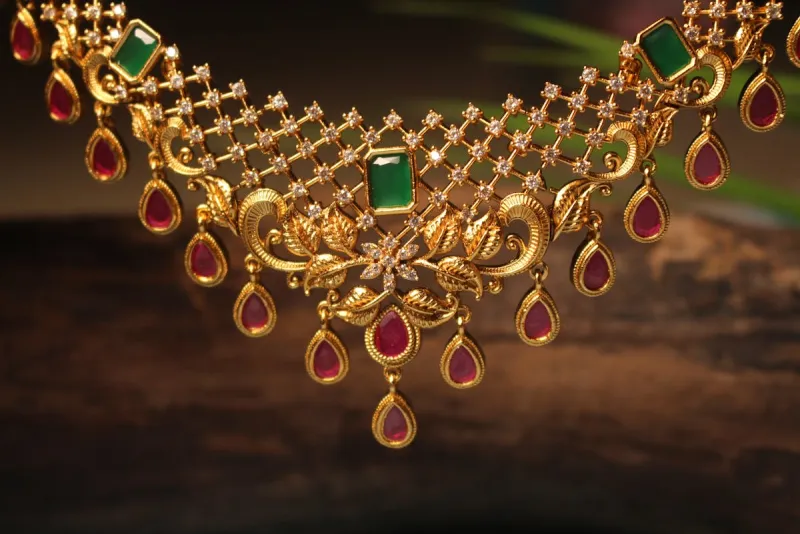
Emerald and peridot are both green gemstones, but they differ profoundly in mineral composition, colour character, rarity, and value. Emerald is one of the three traditional precious gemstones, prized for its deep, luxurious green. Peridot is a more accessible stone with a distinctive yellow-green to olive-green colour. This guide explores every key difference to help you choose the right green gemstone.
Side-by-Side Comparison
| Property | Emerald | Peridot |
|---|---|---|
| Mineral | Beryl | Olivine (Forsterite) |
| Mohs Hardness | 7.5 – 8 | 6.5 – 7 |
| Colour Range | Bluish-green to pure green | Yellow-green to olive green |
| Colour Cause | Chromium and/or vanadium | Iron (idiochromatic) |
| Typical Clarity | Included (jardin expected) | Generally eye-clean |
| Treatment | Routinely oiled | Untreated |
| Price (per ct) | $50 – $300,000+ | $10 – $300 |
| Birthstone | May | August |
Colour Differences
The most obvious difference between emerald and peridot is the character of their green colour:
- Emerald – Displays a rich, deep green that can range from slightly bluish-green to pure green. The finest emeralds show vivid saturation and medium to medium-dark tone. Emerald's colour comes from chromium and vanadium, trace elements that give the stone its distinctive intensity.
- Peridot – Shows a lighter, more yellowish-green to olive-green colour. Peridot is what gemmologists call "idiochromatic," meaning its colour comes from an essential element in its chemical structure (iron) rather than trace impurities. This gives peridot a consistent colour character that is distinctly different from emerald.
The two greens are different enough that an experienced eye can usually distinguish them immediately. Emerald's green is cooler and deeper, while peridot's green is warmer and more yellowish. There is essentially no overlap in their colour ranges at fine qualities.
Clarity and Inclusions
Clarity is another area where these stones diverge dramatically. Emeralds are almost always included, and the trade accepts a level of inclusions in emeralds that would be unacceptable in most other gemstones. The characteristic inclusions in emeralds, known as the jardin, are considered part of the stone's identity.
Peridot, in contrast, typically forms with excellent clarity. Fine peridot should be eye-clean, and included material is generally regarded as substandard. Some peridots may contain tiny dark inclusions (chromite crystals) or characteristic "lily pad" inclusions that are diagnostic of the stone.
Hardness and Durability
Emerald rates 7.5 to 8 on the Mohs scale, making it harder than peridot (6.5-7). However, emerald's characteristic fractures and inclusions make it more brittle and susceptible to damage than its hardness alone would suggest. Emeralds require careful handling and should never be cleaned with ultrasonic or steam cleaners.
Peridot is softer but generally more durable in practice for everyday wear because it typically lacks the internal fractures that make emeralds vulnerable. Nevertheless, peridot can be scratched by harder materials and should be protected from rough wear.
Value and Pricing
The value gap between emerald and peridot is enormous. Fine emeralds are among the most expensive gemstones in the world, with exceptional Colombian stones selling for over $100,000 per carat at auction. Peridot, even in top quality, rarely exceeds $300 per carat.
This price difference makes peridot an attractive option for buyers who want a green gemstone without the significant investment that emerald requires. A large, well-cut peridot set in yellow gold can create a stunning piece of jewellery at a fraction of what a comparable-sized emerald would cost.
Treatments
Emeralds are routinely treated with oil or resin to fill surface-reaching fractures and improve clarity. This treatment is expected and accepted in the trade, though the degree of treatment (none, minor, moderate, significant) affects value substantially.
Peridot is virtually never treated. The colour and clarity you see are entirely natural, which appeals to buyers who prefer untreated gemstones. This is one of peridot's genuine advantages over emerald.
Sources
- Emerald – Colombia, Zambia, Brazil, Ethiopia, Afghanistan, and Madagascar are the primary sources. Colombian and Zambian emeralds are considered the finest.
- Peridot – The most important current sources are Pakistan (the Kashmir region), Myanmar, China, and the United States (Arizona). Historically, the Egyptian island of Zabargad (St. John's Island) was the classic source.
When to Choose Emerald
- You want the most prestigious and valuable green gemstone
- You prefer a deep, cool green colour
- You are purchasing fine jewellery for a significant occasion
- You want a May birthstone
When to Choose Peridot
- You want an affordable green gemstone with natural, untreated colour
- You prefer a bright, warm yellow-green colour
- You want an eye-clean stone without the inclusions typical of emerald
- You are buying gift jewellery for an August birthday
- You want a larger stone without a significant budget
Jewellery Considerations
Both stones work well in earrings and pendants. For rings, emerald benefits from protective settings like bezels, while peridot also appreciates some protection due to its lower hardness. Emerald pairs beautifully with both yellow gold and platinum, while peridot is particularly stunning in yellow gold, which complements its warm green tones.
Care Comparison
Emerald requires gentler care than peridot. Avoid ultrasonic and steam cleaners for emeralds; use only lukewarm soapy water. Peridot can also be cleaned with warm soapy water but should be kept away from acids and harsh chemicals. Neither stone should be exposed to extreme temperature changes. See our jewellery care guide for full instructions.
Frequently Asked Questions
Can peridot be mistaken for emerald?
Not by an experienced eye. Peridot's yellow-green colour is distinctly different from emerald's deeper, cooler green. The two stones also have different refractive indices and specific gravities that make gemmological identification straightforward.
Is peridot a good alternative to emerald?
If you love green but want an affordable, untreated option, peridot is an excellent choice. However, it offers a different shade of green, so it is a complement rather than a direct substitute for emerald's distinctive colour.
Which green gemstone is best for an engagement ring?
For an engagement ring, emerald offers more prestige but requires careful wear. Tsavorite garnet is actually an excellent alternative that is harder and cleaner than emerald while offering a vivid green colour. See our buying guides for more advice.
What other green gemstones exist?
Beyond emerald and peridot, green gemstones include tsavorite garnet, demantoid garnet, green sapphire, green tourmaline, and chrome diopside. Each offers a different shade and price point.