Diamond Color: Understanding the D-to-Z Colour Scale
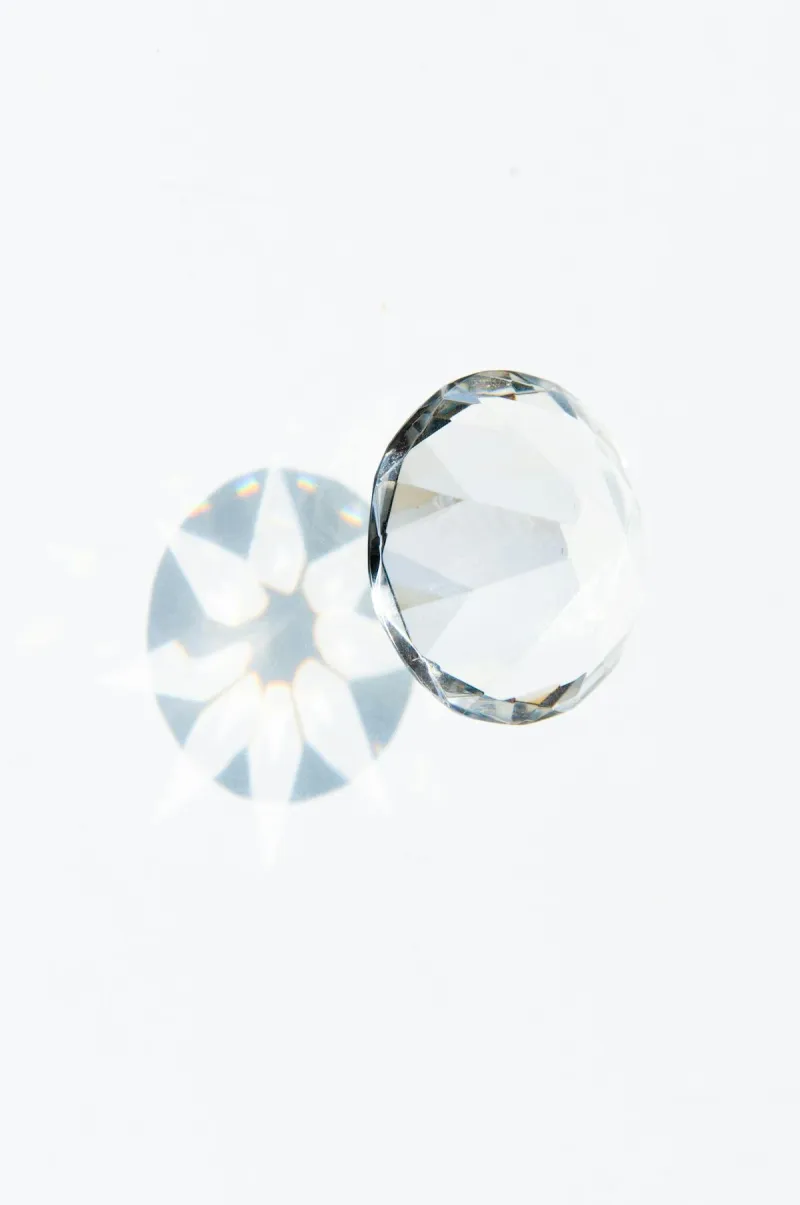
Diamond colour is one of the four key quality factors, known as the 4Cs, used to evaluate and price diamonds. While most people think of diamonds as colourless, the majority of gem-quality diamonds actually contain subtle traces of colour, usually yellow or brown. The less colour a diamond has, the higher its colour grade and, generally, its value. This guide explains the colour grading system, how colour affects a diamond's appearance, and how to choose the right colour grade for maximum beauty without overspending.
How Diamond Colour Is Graded
The Gemological Institute of America (GIA) developed the standard diamond colour grading scale, which runs from D (completely colourless) to Z (light yellow or brown). The scale begins at D rather than A to avoid confusion with earlier, less standardised grading systems that used A, B, and C with inconsistent definitions.
Grading is performed under controlled conditions: the diamond is placed table-down on a white grading tray, illuminated by a standardised daylight-equivalent light source, and compared against a set of master stones that represent each colour grade. This process isolates body colour from brilliance and fire, which can mask colour when the diamond is viewed face-up in a normal setting.
Colour Grade Categories
| Grade Range | Category | Description | Typical Price Impact |
|---|---|---|---|
| D, E, F | Colourless | No detectable colour even under magnification. D and E are virtually identical to the untrained eye. | Highest premium |
| G, H, I, J | Near Colourless | Slight colour detectable by a trained gemologist when compared to higher grades, but appears colourless when mounted. | Strong value; most popular range |
| K, L, M | Faint | Faint yellow tint visible to the naked eye, especially in larger stones or side-by-side comparison. | Moderate; good for yellow gold settings |
| N to R | Very Light | Colour is easily noticeable. These grades are less desirable in the standard market. | Significantly lower |
| S to Z | Light | Obvious yellow or brown tint. Beyond Z, diamonds may qualify as fancy colour and increase in value. | Lowest on the D-Z scale |
What Causes Colour in Diamonds?
The most common cause of colour in the D-to-Z range is nitrogen. During a diamond's formation deep within the Earth's mantle, nitrogen atoms can become incorporated into the carbon crystal lattice. These nitrogen atoms absorb blue light, causing the diamond to transmit a yellow hue. The more nitrogen present and the way it is arranged within the lattice determine the intensity of the colour.
Other elements and structural features can produce different colours. Boron creates blue diamonds, radiation exposure can produce green, and distortions in the crystal lattice are responsible for pink and red hues. These are graded on a separate fancy colour scale and are outside the D-to-Z range. For more on what creates these colours, see our diamond fundamentals guide.
How Colour Affects a Diamond's Appearance
Face-Up vs. Profile View
Colour is graded with the diamond face-down to eliminate the masking effect of brilliance and fire. When a diamond is mounted face-up in a ring, its light performance can make it appear one to two colour grades higher than its official grade. This is especially true for well-cut diamonds, which return more white light through the crown and reduce the visibility of body colour.
Size and Shape Considerations
Colour becomes more apparent in larger diamonds because there is more material for light to travel through. A one-carat diamond in colour grade I may appear colourless, while a three-carat diamond in the same grade may show a faint warmth. Similarly, certain shapes concentrate colour more than others. Step-cut shapes like emerald and Asscher show colour more readily than brilliant-cut shapes like round and oval because their large, open facets act like windows into the stone.
The Role of Metal Colour
The colour of the metal setting significantly influences how a diamond's colour is perceived:
- White gold or platinum: These settings highlight any warmth in a diamond. Grades D to H pair well with white metals.
- Yellow gold: A warm metal setting can mask the yellow tint in lower colour grades. Grades I to K can appear colourless against yellow gold, offering excellent value.
- Rose gold: Similar to yellow gold, the warm pinkish hue of rose gold is forgiving of slight colour in the diamond.
For a deeper look at how metals interact with gemstones, visit our metals guide.
Choosing the Best Diamond Colour Grade
Selecting the right colour grade is about finding the sweet spot between visual quality and price. Here are practical recommendations based on common scenarios:
For the Best Value
Grades G, H, and I in the near-colourless range offer the best balance. These diamonds face up colourless in most settings and cost significantly less than D-F grades. The savings can be redirected toward a better cut grade, which has a greater impact on overall appearance.
For White Gold or Platinum Settings
If your diamond will be set in white metal and you are sensitive to warmth, aim for grades D to H. For most people, G or H is indistinguishable from D once the diamond is mounted.
For Yellow or Rose Gold Settings
You can comfortably choose grades I, J, or even K. The warm metal will neutralise any faint yellow in the diamond, and you will achieve a larger or better-cut stone for the same budget.
For Diamonds Over Two Carats
In larger stones, colour is more visible. Consider staying in the G to H range for white settings, or H to I for yellow gold. The investment in a higher colour grade is more noticeable in larger diamonds.
Fancy Colour Diamonds
Diamonds that fall beyond the Z grade on the colour scale, or that display colours other than yellow or brown, are classified as fancy colour diamonds. These are graded on a separate system that evaluates hue, tone, and saturation. Fancy colour grades include Fancy Light, Fancy, Fancy Intense, Fancy Vivid, Fancy Deep, and Fancy Dark.
Natural fancy colour diamonds are extremely rare. A Fancy Vivid yellow diamond can command prices many times higher than a colourless stone of the same size. Blue, pink, green, and red diamonds are among the rarest and most valuable gemstones in the world.
Colour and Fluorescence
Some diamonds exhibit fluorescence, a visible glow (usually blue) when exposed to ultraviolet light. In diamonds with faint to medium yellow colour (grades I to M), blue fluorescence can actually make the diamond appear whiter in natural daylight, which contains UV rays. This can be a hidden value opportunity. However, strong fluorescence in higher colour grades (D to F) can sometimes create a hazy or oily appearance, which may reduce the stone's value. Read our full diamond fluorescence guide for more details.
Common Colour-Related Mistakes
- Overpaying for colourless grades: The difference between D and G is nearly invisible once a diamond is mounted. Spending extra on D or E colour rarely provides a visible improvement in real-world viewing conditions.
- Ignoring the setting colour: Choosing a D-colour diamond for a yellow gold setting wastes the premium paid for colourlessness.
- Comparing diamonds under store lighting: Jewellery store lighting is designed to maximise sparkle, which masks colour. Always ask to see diamonds under neutral lighting or request a colour comparison with master stones.
- Overlooking fluorescence benefits: Dismissing all fluorescent diamonds means missing potential value in the I-to-M colour range.
For more purchasing pitfalls to avoid, see our diamond buying mistakes guide.
Frequently Asked Questions
Can you see the difference between D and G colour?
In a mounted diamond viewed face-up under normal lighting, most people cannot tell D and G apart. The difference is only reliably detected when the diamonds are viewed unmounted, face-down, under controlled grading conditions with side-by-side comparison against master stones.
Why does the colour scale start at D?
Before GIA established its scale, several informal systems used A, B, and C with inconsistent meanings. GIA chose to start at D to signal a fresh, standardised system with no connection to the confusing earlier nomenclature.
Is colour or clarity more important?
Neither is universally more important; it depends on the diamond's size, shape, and setting. However, many experts suggest prioritising cut first, then balancing colour and clarity. For most buyers, colour differences in the G-J range are more noticeable than clarity differences in the VS1-SI1 range.
Do lab-grown diamonds have the same colour grades?
Yes. Lab-grown diamonds are graded on the same D-to-Z scale as natural diamonds. The most common lab-grown diamonds are near-colourless to colourless, though fancy colours can also be produced. Learn more in our lab diamonds explained guide.