Citrine: The Golden Gemstone of Warmth and Abundance
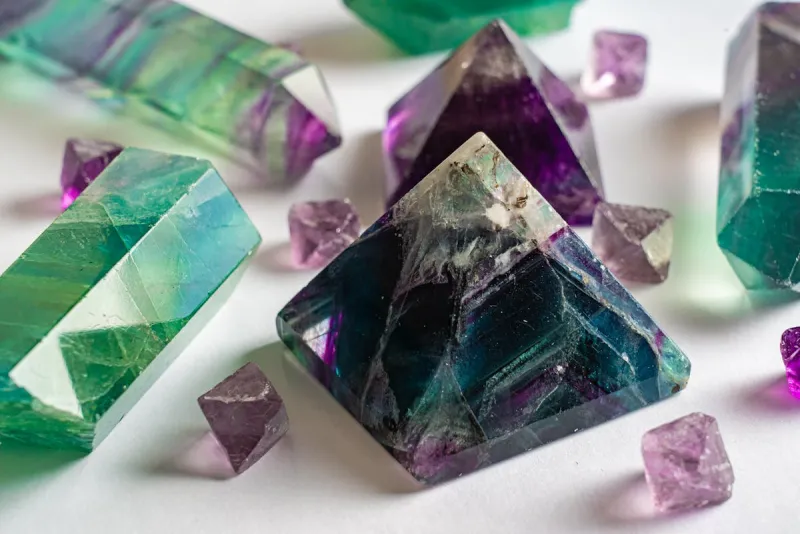
Citrine is the yellow to orange variety of quartz and one of the most popular warm-toned gemstones on the market. Named from the French word "citron" (lemon), citrine ranges in colour from delicate pale yellow to rich, burnished orange-brown. As one of the November birthstones alongside topaz, citrine offers an affordable and attractive option for autumn-toned jewellery.
Citrine Properties and Characteristics
Citrine is a macrocrystalline variety of quartz, closely related to amethyst (purple quartz) and smoky quartz. The yellow colour is caused by trace amounts of iron in a different oxidation state than that found in amethyst. Citrine rates 7 on the Mohs hardness scale, making it suitable for most jewellery applications.
| Property | Details |
|---|---|
| Mineral | Quartz (SiO2) |
| Mohs Hardness | 7 |
| Refractive Index | 1.544 – 1.553 |
| Specific Gravity | 2.65 |
| Colour Cause | Iron (Fe3+) |
| Crystal System | Trigonal |
| Lustre | Vitreous |
| Birthstone Month | November |
Natural vs Heat-Treated Citrine
One of the most important things to understand about citrine is that the vast majority of citrine on the market is actually heat-treated amethyst or smoky quartz. Natural citrine, which forms with its yellow colour already present, is comparatively rare. Recognising the difference is key to making an informed purchase.
Natural Citrine
Natural citrine typically displays a delicate, soft yellow to golden colour with subtle colour variations within the stone. It tends to be lighter and more uniform than heat-treated material. Natural citrine is found in limited quantities and is prized by collectors and discerning buyers.
Heat-Treated Citrine
When amethyst is heated to temperatures between 300 and 560 degrees Celsius, it changes colour from purple to yellow, orange, or reddish-brown. This is the source of most commercial citrine. Heat-treated citrine tends to display a more saturated, sometimes reddish-orange colour known in the trade as "Madeira" citrine. While perfectly beautiful, buyers should be aware that this material started as amethyst.
Ametrine
Ametrine is a naturally occurring combination of amethyst and citrine in a single crystal, displaying zones of purple and yellow. The primary source is the Anahi mine in Bolivia. Ametrine is a unique and attractive gemstone that appeals to collectors who appreciate unusual gems.
Citrine Colour Grades
- Madeira – A deep, saturated reddish-orange to brownish-orange, named after the colour of Madeira wine. This is the most valued shade in the heat-treated category.
- Golden – A rich, warm yellow-orange without brown modifiers. Very attractive and popular in fine jewellery.
- Yellow – A bright, clear yellow. This shade is popular in fashion jewellery and larger statement pieces.
- Pale yellow (lemon) – A very light, lemon-yellow colour that is more typical of natural citrine. Delicate and elegant but less commercially popular than deeper shades.
Citrine Sources
Brazil
Brazil is the world's largest source of citrine, both natural and heat-treated. The states of Rio Grande do Sul and Minas Gerais produce vast quantities of amethyst that is subsequently heat-treated to produce citrine. Some natural citrine also comes from Brazilian deposits.
Bolivia
The Anahi mine in Bolivia is the world's primary source of ametrine and also produces some natural citrine.
Other Sources
Zambia, Madagascar, Spain, Russia, France, and Scotland have also produced natural citrine, though in much smaller quantities than Brazil.
Citrine Treatments
- Heat treatment – As discussed above, most commercial citrine is heat-treated amethyst or smoky quartz. This treatment is permanent, stable, and universally accepted in the trade. It is so common that it does not need to be disclosed in the same way as treatments for other gemstones, though ethical sellers will mention it.
- Irradiation – Some citrine may be irradiated to modify or deepen its colour. This is less common than heat treatment.
Citrine Pricing
Citrine is one of the most affordable coloured gemstones available:
- Commercial grade (light yellow, small): $2 – $10 per carat
- Good quality (medium golden, eye-clean): $10 – $30 per carat
- Fine quality (deep Madeira colour, large): $30 – $60 per carat
- Natural untreated citrine (well-documented): $20 – $80 per carat
- Fine ametrine: $10 – $40 per carat
Like amethyst, citrine's affordability means you can choose generous sizes without a significant budget impact.
Buying Tips for Citrine
- Ask about treatment – Most citrine is heated amethyst. If you want natural citrine, ask specifically and expect to pay a modest premium.
- Avoid overly dark stones – Some heated citrine can appear too brownish or reddish. Choose a colour that is warm and inviting without looking muddy.
- Expect eye-clean clarity – Like all quartz varieties, good citrine should be free of visible inclusions.
- Choose a flattering cut – Fancy cuts like cushion, oval, and pear shapes maximise citrine's warm colour. Brilliant cuts add sparkle.
- Yellow gold is ideal – Citrine pairs beautifully with yellow gold, which complements and enhances its warm tones. Rose gold is another excellent pairing.
Citrine in Jewellery
Citrine's warm colour and affordability make it a favourite for fashion jewellery, cocktail rings, pendants, and earrings. It is an excellent choice for autumn and winter collections and pairs beautifully with other warm-toned gemstones like garnet and amber. Citrine is also popular in gift jewellery for November birthdays and 13th wedding anniversaries.
Large citrine gems make dramatic statement pieces, and the stone's availability in generous sizes means that bold designs are accessible at reasonable prices. Citrine also complements diamond accents in fine jewellery settings.
Citrine Care
Citrine is relatively easy to care for. Clean with warm soapy water and a soft brush. Ultrasonic cleaners are generally safe. Avoid prolonged exposure to intense sunlight or heat, which could potentially alter the colour of some heat-treated stones. Store citrine separately from harder gemstones to prevent scratching. Visit our jewellery care guide for more tips.
Frequently Asked Questions About Citrine
Is most citrine really heated amethyst?
Yes. The vast majority of citrine sold commercially is heat-treated amethyst or smoky quartz. Natural citrine is comparatively rare. Both are genuine quartz; the difference is in how the colour was achieved.
What is the difference between citrine and yellow topaz?
Citrine is quartz (hardness 7), while topaz is a different mineral (hardness 8). They can look similar in colour, but topaz is harder and denser. Imperial topaz in golden-orange shades is significantly more valuable than citrine.
Can citrine fade?
Heat-treated citrine can potentially lighten if exposed to prolonged intense heat or sunlight, though this is uncommon under normal wearing conditions. Natural citrine is generally colour-stable.
What is ametrine?
Ametrine is a variety of quartz that naturally combines amethyst (purple) and citrine (yellow) in a single crystal. It is primarily found in Bolivia and makes for striking, unique jewellery pieces.