Diamond Clarity: Inclusions, Grades, and How to Find an Eye-Clean Stone
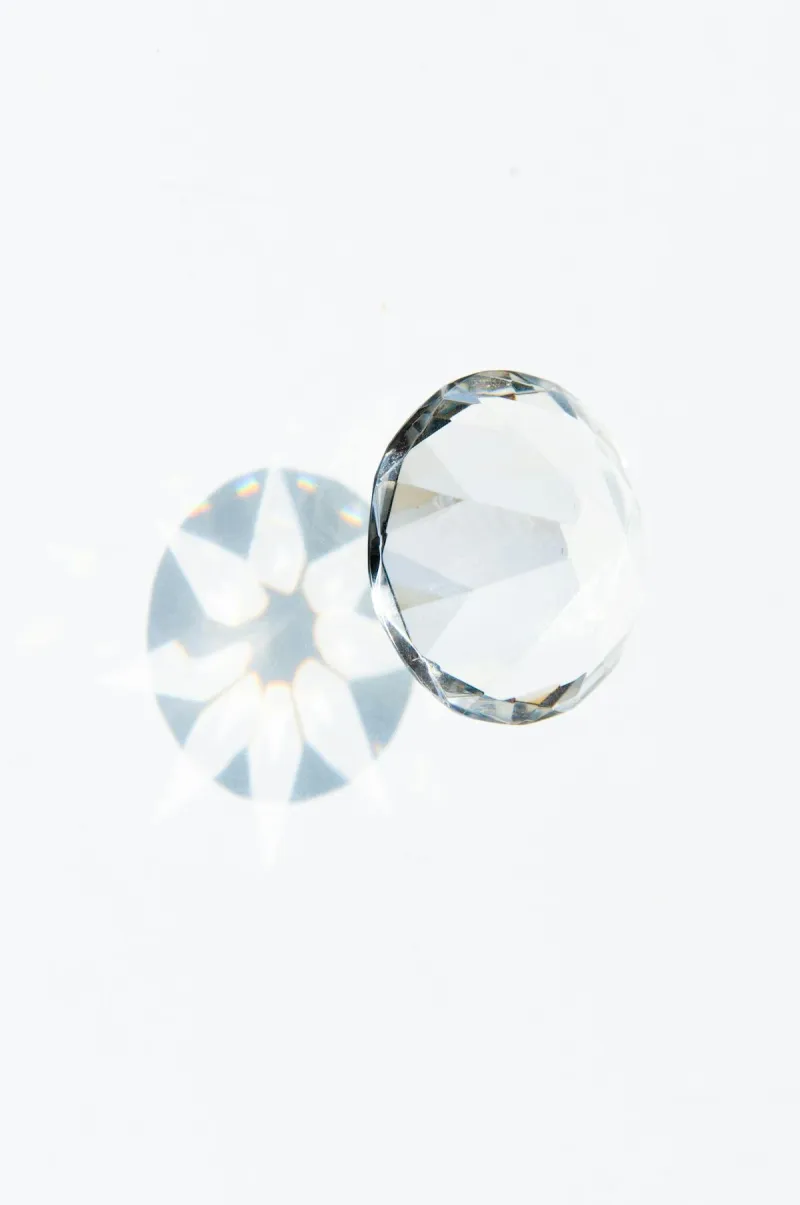
Diamond clarity measures the presence of internal characteristics called inclusions and external characteristics called blemishes. Because diamonds form under immense heat and pressure deep within the Earth, almost every natural diamond contains some trace of its violent origin. The question for buyers is not whether these features exist, but whether they are visible and how they affect the stone's beauty and durability. This guide walks you through the clarity grading scale, common inclusion types, and practical strategies for selecting a diamond that looks flawless to the naked eye.
The GIA Clarity Grading Scale
The Gemological Institute of America established the most widely used clarity grading system. Diamonds are examined under 10x magnification by trained gemologists, and each stone is assigned one of eleven grades based on the size, number, position, nature, and relief of its clarity characteristics.
| Grade | Name | Description | Visibility |
|---|---|---|---|
| FL | Flawless | No inclusions or blemishes visible under 10x magnification | Extremely rare; invisible under any conditions |
| IF | Internally Flawless | No inclusions; only minor blemishes visible under 10x | Invisible to the naked eye |
| VVS1, VVS2 | Very Very Slightly Included | Minute inclusions difficult even for experts to see under 10x | Invisible to the naked eye |
| VS1, VS2 | Very Slightly Included | Minor inclusions visible under 10x but not easily seen | Almost always eye-clean |
| SI1, SI2 | Slightly Included | Noticeable inclusions under 10x; may or may not be eye-visible | SI1 often eye-clean; SI2 sometimes visible |
| I1, I2, I3 | Included | Obvious inclusions under 10x that are usually visible to the naked eye | Visible; may affect brilliance or durability |
Types of Diamond Inclusions
Inclusions come in many forms, each created by different processes during the diamond's growth. Understanding the most common types helps you assess whether a particular inclusion will affect a stone's appearance or structural integrity.
Crystal Inclusions
These are tiny mineral crystals trapped inside the diamond during its formation. They can be other diamond crystals, garnet, peridot, or other minerals. A single small crystal located off-centre has minimal visual impact, while a cluster of dark crystals near the table can significantly detract from the stone's beauty.
Needles
Thin, elongated crystal inclusions that appear as fine lines under magnification. Individual needles are typically harmless, but a concentration of needles can create a hazy appearance that reduces transparency.
Clouds
A cloud is a cluster of tiny pinpoint inclusions grouped closely together. Small clouds are common and benign. However, large clouds, especially when a grading report notes "clarity based on clouds not shown," can create a milky or hazy look that diminishes brilliance.
Feathers
Feathers are small fractures within the diamond that resemble feathery lines. Surface-reaching feathers near the girdle or corners of fancy shapes can potentially grow if the diamond is subjected to a hard impact, creating a durability concern. Internal feathers that do not reach the surface are typically stable.
Twinning Wisps
These are interlocking groups of inclusions that form along twin planes in the crystal. They are common in fancy-shape diamonds and can range from barely visible to quite prominent. Evaluate them using high-resolution images rather than relying on the clarity grade alone.
Surface Blemishes
- Natural: A small section of the original rough diamond surface left on the finished stone, usually at the girdle.
- Scratch: A fine line on the diamond's surface, typically removable by repolishing.
- Chip: A small piece broken from the diamond's surface, often at the girdle or facet junction. Chips can worsen over time.
- Cavity: An opening on the surface created when an inclusion is pulled out during polishing.
What Does Eye-Clean Mean?
A diamond is considered eye-clean when its inclusions are not visible to the unaided eye at a normal viewing distance of approximately 15 to 30 centimetres. Eye-clean is not an official grading term, but it is one of the most practical concepts in diamond shopping. An eye-clean SI1 diamond can look identical to a VVS1 diamond when worn, yet cost 30 to 40 percent less.
Factors That Affect Eye-Cleanliness
- Inclusion position: Inclusions under the table are more visible than those near the girdle or hidden under bezel facets.
- Inclusion colour: Dark inclusions (black crystals) stand out more than white or transparent ones.
- Diamond size: Inclusions in larger diamonds are easier to see. An SI1 in a half-carat stone is almost always eye-clean, but an SI1 in a two-carat stone may not be.
- Diamond shape: Step-cut shapes like emerald and Asscher have large, open facets that reveal inclusions more readily. Brilliant-cut shapes like round and cushion use their sparkle to camouflage inclusions.
- Cut quality: A well-cut diamond's scintillation pattern helps mask minor inclusions. Poorly cut stones offer less visual distraction.
Choosing the Right Clarity Grade
The goal is to find the lowest clarity grade that still appears eye-clean. This approach maximises value while maintaining beauty.
For Round Brilliant Diamonds
VS2 to SI1 is the sweet spot for most round brilliants under two carats. The faceting pattern is excellent at hiding inclusions. Always verify eye-cleanliness using high-resolution imagery.
For Step-Cut Shapes (Emerald, Asscher)
Aim for VS2 or higher. The large, flat facets of step cuts act like windows into the stone, making inclusions much more visible than in brilliant cuts.
For Large Diamonds (Over Two Carats)
Consider VS2 or better. As carat weight increases, the diamond's larger table makes inclusions easier to spot, and the investment warrants extra care with clarity.
For Fancy Shapes (Oval, Pear, Marquise)
These shapes vary. Ovals and pears can hide inclusions well in VS2 to SI1, especially near the tapered ends. Check the centre of the stone carefully for any visible inclusion directly under the table facet.
Clarity and Price
Clarity has a significant impact on price, particularly at the upper end of the scale. The jump from VVS2 to IF or FL commands a substantial premium, yet the visual difference is undetectable without magnification. By contrast, the difference between SI1 and VS2 is often minimal in appearance but meaningful in cost.
Use the savings from a lower clarity grade to invest in a better cut, which has a far greater impact on how the diamond looks. Our diamond pricing guide breaks down how each of the 4Cs affects the final price.
Reading the Clarity Plot on a Grading Report
A diamond grading report from GIA or AGS includes a clarity plot, which is a diagram showing the type and position of significant inclusions. Red symbols represent internal inclusions, and green symbols represent surface blemishes. Learning to read this diagram helps you understand where inclusions are located before you see the diamond in person or in photographs.
Clarity Enhancement: What to Know
Some diamonds are treated to improve their apparent clarity. The two most common methods are laser drilling, which creates a tiny channel to reach and lighten a dark inclusion, and fracture filling, which injects a glass-like substance into feathers to make them less visible. These treatments must be disclosed by reputable sellers, and treated diamonds are typically worth significantly less than untreated stones. GIA will grade laser-drilled diamonds but will not grade fracture-filled diamonds.
Frequently Asked Questions
Are SI1 diamonds a good choice?
SI1 diamonds can be excellent choices, particularly in round brilliant cuts under two carats. Many SI1 stones are eye-clean, offering significant savings compared to VS grades. The key is to evaluate each diamond individually using images or video rather than relying on the grade alone.
Can inclusions cause a diamond to break?
Most inclusions do not affect durability. However, large feathers that reach the surface, particularly near the girdle or corners, can potentially propagate if the diamond receives a hard blow at that point. Avoid diamonds with surface-reaching feathers in vulnerable positions.
Is VS2 better than SI1?
On the grading scale, VS2 is one grade higher than SI1. In practice, a well-chosen SI1 can look identical to a VS2 to the naked eye. The best approach is to compare individual stones rather than relying solely on the grade.
Do lab-grown diamonds have inclusions?
Yes. Lab-grown diamonds can have inclusions, though the types may differ from natural diamonds. They may contain metallic flux inclusions (in HPHT-grown stones) or small carbon deposits. They are graded on the same clarity scale. See our lab diamonds explained guide.