White Gold vs Platinum: Which Is Right for You?
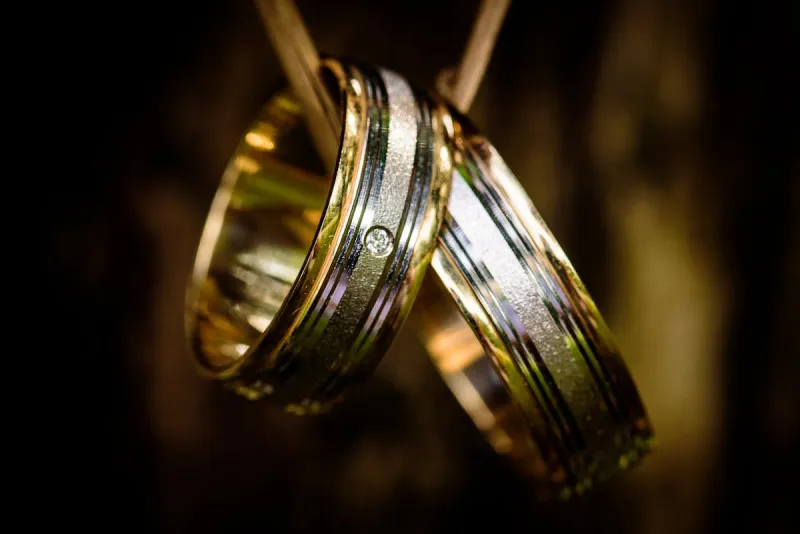
At first glance, white gold and platinum can look almost identical – both offer a cool, silvery-white finish that pairs beautifully with diamonds and colourless gemstones. Beneath the surface, however, these two metals are fundamentally different in composition, durability, maintenance requirements and price. Understanding those differences is essential if you want a metal that matches your lifestyle and budget.
This guide provides a thorough, unbiased comparison to help you make a confident choice, whether you are selecting an engagement ring, a wedding band or any other piece of fine jewellery.
What Is White Gold?
White gold is not a naturally occurring metal. It is an alloy of pure gold mixed with white-coloured metals – typically palladium, nickel, zinc or silver – to shift its colour from yellow to a greyish white. Most white gold jewellery is then electroplated with a thin layer of rhodium, a platinum-group metal, to achieve a bright, reflective white finish.
White gold is available in the same karat grades as yellow and rose gold. The two most common are 18K (75% gold) and 14K (58.3% gold).
What Is Platinum?
Platinum is a naturally white precious metal that is denser, rarer and more chemically stable than gold. Jewellery-grade platinum is typically 95% pure (950 fineness), with the remaining 5% composed of iridium, ruthenium or cobalt for added workability. Unlike white gold, platinum does not need rhodium plating to appear white – its natural colour is a slightly darker, more muted silver-grey.
Side-by-Side Comparison
| Feature | White Gold (18K) | Platinum (950) |
|---|---|---|
| Purity | 75% gold | 95% platinum |
| Natural Colour | Slightly yellowish grey | Cool grey-white |
| Rhodium Plating | Required for bright white look | Not required |
| Density | ~14–16 g/cm³ | ~21.4 g/cm³ |
| Weight (same ring) | Lighter | ~40–60% heavier |
| Hardness | ~155–200 HV | ~50–80 HV (softer) |
| Scratch Behaviour | Metal is lost when scratched | Metal displaces (no loss) |
| Hypoallergenic | Varies (may contain nickel) | Yes |
| Maintenance | Re-plate every 1–3 years | Occasional polish |
| Price (comparable ring) | $$ | $$$$ |
Colour and Appearance
When freshly rhodium-plated, white gold has a brilliant, mirror-like white surface that is virtually indistinguishable from polished platinum to the untrained eye. Over months of wear, the rhodium layer gradually thins, revealing the slightly warm undertone of the gold alloy beneath. Most wearers need replating every one to three years, depending on how often the piece is worn and how much abrasion it encounters.
Platinum, by contrast, maintains a consistent colour throughout its life. Rather than wearing away, platinum develops a natural “patina” – a soft, satiny finish caused by microscopic surface displacement. Many owners love this matte look; others prefer to have it professionally polished back to a high shine periodically. Importantly, no replating is ever necessary.
Durability and Longevity
Hardness vs Toughness
White gold (especially 14K) is harder than platinum on the Vickers scale, meaning it is more resistant to surface scratches in the short term. However, hardness and durability are not the same thing. When white gold scratches, tiny particles of metal are actually lost. Over many years, this leads to thinning – particularly on prong tips and the underside of rings.
Platinum is softer, so it scratches more easily in the early days of wear. But when platinum scratches, the metal is displaced rather than removed. The total mass of the ring stays the same, and a simple polish can redistribute the surface metal. This is why platinum prong settings remain secure for decades and are strongly recommended for holding valuable gemstones.
Long-Term Performance
A platinum engagement ring will look and perform excellently after 30, 40 or even 50 years of continuous wear. A white gold ring will too, but it may need periodic prong retipping and regular rhodium replating to maintain its appearance and structural integrity.
Price Comparison
Platinum jewellery is significantly more expensive than white gold for several reasons:
- Raw material cost: Platinum is rarer than gold and costs more per gram at current market prices.
- Higher purity: Platinum jewellery is 95% pure metal, while 18K white gold is only 75% gold.
- Density: Platinum is denser, so a ring made to the same dimensions weighs 40–60% more, requiring proportionally more metal.
- Manufacturing difficulty: Platinum has a much higher melting point (1,768°C vs 1,064°C for gold) and requires specialised tools and expertise, adding to labour costs.
As a rough benchmark, expect a platinum engagement ring to cost 40–70% more than an equivalent design in 18K white gold. On a simple solitaire where the diamond is the primary cost, the metal upgrade may add only a few hundred pounds. On a heavy, elaborate setting, the difference could be substantial.
Skin Sensitivity
Platinum is one of the most hypoallergenic metals available. It contains no nickel and almost never causes skin reactions. White gold, however, may contain nickel as an alloying metal – especially older or lower-quality formulations. If you have a known nickel allergy, either request a nickel-free white gold alloy (often palladium-based) or choose platinum.
Maintenance Requirements
White Gold Maintenance
- Rhodium replating every 1–3 years (cost: roughly £30–£80 per session).
- Prong inspection every 12 months, especially for rings worn daily.
- Cleaning with warm soapy water and a soft brush as needed.
Platinum Maintenance
- No replating ever required.
- Optional professional polish every few years if you prefer a high-shine finish.
- Prong inspection every 12–18 months (though platinum prongs are remarkably durable).
- Cleaning with warm soapy water and a soft brush as needed.
For detailed cleaning instructions, visit our jewellery care centre.
Which Is Better for an Engagement Ring?
Both metals make exceptional engagement rings. Your decision should hinge on the following considerations:
- Choose white gold if: budget is a primary concern, you do not mind periodic replating, you prefer a lighter-weight ring, or you plan to upgrade the setting in future.
- Choose platinum if: you want maximum longevity and minimal maintenance, you have sensitive skin, you appreciate the heft and prestige of a dense metal, or you are setting a particularly valuable diamond that benefits from the security of platinum prongs.
Can You Mix White Gold and Platinum?
Yes. Some jewellers create rings with a platinum head (the prong setting that holds the centre stone) and a white gold shank (the band). This hybrid approach gives you the gemstone security of platinum where it matters most, while keeping the overall cost closer to a white gold ring. The two metals match well visually, especially when the white gold portion is freshly rhodium-plated.
Frequently Asked Questions
Does white gold turn yellow over time?
The rhodium plating wears off gradually, revealing the slightly warm tone of the gold alloy underneath. It does not turn bright yellow, but it may develop a faintly warm or greyish cast. A quick replating restores the brilliant white finish.
Is platinum heavier than white gold?
Yes, significantly. A platinum ring typically weighs 40–60% more than the same design in 18K white gold. Some wearers love the substantial feel; others prefer a lighter ring.
Which metal makes diamonds look brighter?
Both white metals reflect light similarly and complement diamonds equally well. The rhodium plating on white gold is actually a platinum-group metal, so the reflective surface is nearly identical in both cases.
Can I resize a platinum ring?
Yes, but it requires a specialist jeweller with platinum-working equipment. Resizing platinum is more expensive and time-consuming than resizing gold due to the higher melting point and density of the metal.
Is white gold or platinum better for a wedding band?
Platinum is excellent for a wedding band because it requires no replating and stands up to decades of continuous wear. However, 14K white gold wedding bands are also very popular and durable, especially for those who want a matching set at a lower price.