Stainless Steel Jewellery: What to Know
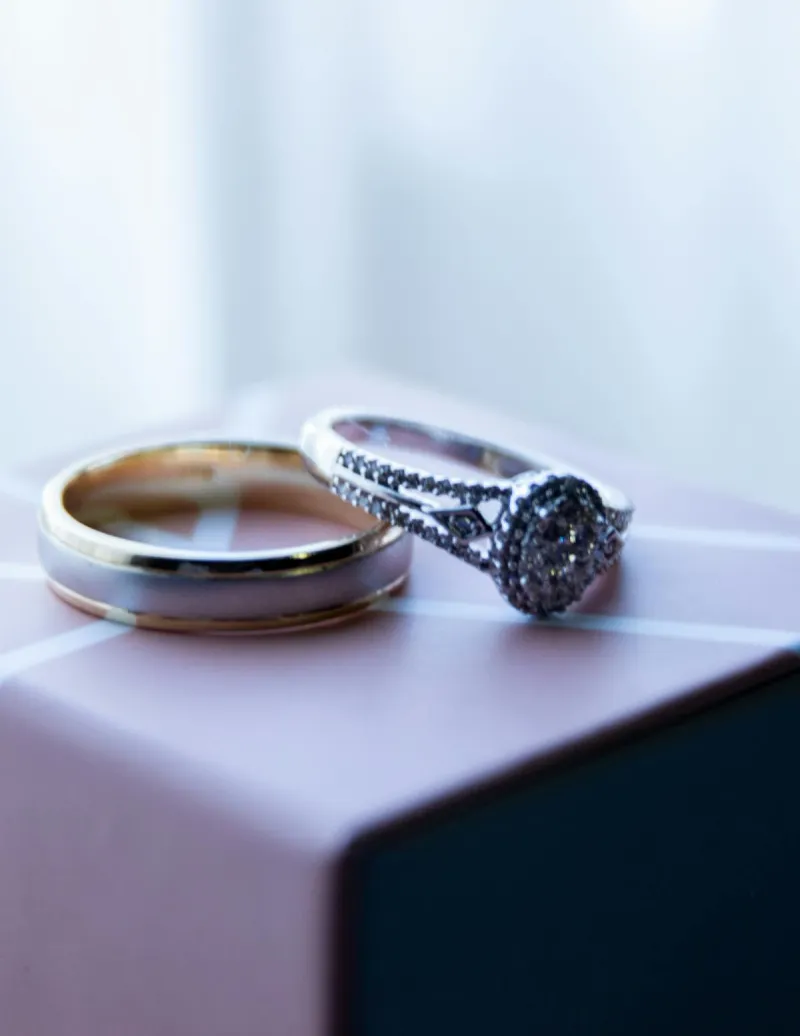
Stainless steel has quietly become one of the most popular metals in fashion and everyday jewellery. From chunky chains and minimalist cuffs to polished wedding bands and designer watches, stainless steel offers a high-end look at a budget-friendly price. It is also remarkably durable, resists tarnish and comes in finishes that rival precious metals. If you are building a versatile jewellery collection or looking for a tough, maintenance-free alternative to gold or silver, stainless steel deserves a place on your shortlist.
What Is Stainless Steel?
Stainless steel is a family of iron-based alloys that contain a minimum of 10.5% chromium. The chromium reacts with oxygen to form a thin, invisible, self-healing oxide layer on the surface that prevents rust and corrosion – hence the “stainless” name. Various grades add different proportions of nickel, molybdenum and other elements to fine-tune properties like corrosion resistance, hardness and workability.
Grades Used in Jewellery
- 304 Stainless Steel: Contains approximately 18% chromium and 8% nickel. Widely used in fashion jewellery. Very corrosion-resistant and affordable, but the nickel content can cause reactions in sensitive individuals.
- 316L Stainless Steel (Surgical Grade): Contains approximately 16% chromium, 10% nickel and 2% molybdenum. The “L” stands for “low carbon,” which enhances corrosion resistance. 316L is the standard for body jewellery, medical implants and high-quality fashion jewellery. Despite containing nickel, the alloy’s molecular structure binds the nickel tightly, releasing negligible amounts – well below the threshold for most nickel-sensitive individuals.
- 904L Stainless Steel: A premium, highly corrosion-resistant grade used by Rolex for its watch cases. Rarely used in general jewellery due to higher cost and manufacturing difficulty.
Properties at a Glance
| Property | 316L Steel | Titanium (Gr.5) | Sterling Silver | 14K Gold |
|---|---|---|---|---|
| Density | 8.0 g/cm³ | 4.43 g/cm³ | 10.49 g/cm³ | ~13.0 g/cm³ |
| Hardness (Vickers) | ~200 HV | ~340 HV | ~70–90 HV | ~155–200 HV |
| Tarnish Resistance | Excellent | Excellent | Moderate | Good |
| Hypoallergenic | Usually (316L) | Yes | Usually | Varies |
| Resizable | No | No | Yes | Yes |
| Precious Metal | No | No | Yes | Yes |
| Price | $ | $ | $$ | $$$ |
Advantages of Stainless Steel Jewellery
Exceptional Durability
Stainless steel is one of the hardest metals used in jewellery. It resists scratches, dents and bending far better than gold, silver or even platinum. A stainless steel watch bracelet will maintain its polished surface through years of daily wear that would leave a gold bracelet heavily marked.
Tarnish and Corrosion Resistant
Unlike silver, which tarnishes, stainless steel maintains its finish in almost any environment. It does not rust under normal conditions, resists sweat and is largely unaffected by perfume, cosmetics and household chemicals.
Affordable Luxury
High-quality stainless steel jewellery can look virtually identical to white gold or platinum at a fraction of the cost. This makes it an excellent choice for fashion-forward pieces that you might wear for a season or two, as well as everyday staples like simple bands and chain necklaces.
Versatile Finishes
Stainless steel can be finished in numerous ways: high polish (mirror), brushed (matte), sandblasted, hammered or even PVD-coated in gold, rose gold or black tones. These finishes are far more durable than standard plating on base metals.
Low Maintenance
Stainless steel requires almost no maintenance. A quick wipe with a damp cloth is usually sufficient to keep it looking new. No polishing compounds, anti-tarnish strips or replating appointments are needed.
Disadvantages of Stainless Steel Jewellery
- Cannot be resized: Like titanium, stainless steel rings cannot be resized by traditional methods. Get your size right before purchasing.
- Heavier than titanium: Stainless steel is roughly twice as dense as titanium, so wide bands can feel quite heavy compared to titanium alternatives.
- Nickel content: Even 316L surgical steel contains nickel. While it is generally safe, people with severe nickel allergies may still react. In such cases, titanium or palladium is safer.
- No intrinsic precious metal value: Stainless steel has no resale value as a precious metal. You are paying for craftsmanship and design, not material rarity.
- Difficult to repair: Soldering and resizing require industrial equipment. Most jewellers cannot service stainless steel pieces.
- Can trigger metal detectors: The iron and nickel content means stainless steel jewellery may set off security scanners, which can be inconvenient for frequent travellers.
Stainless Steel Jewellery and Skin Sensitivity
The question of whether stainless steel is hypoallergenic is nuanced. Surgical-grade 316L stainless steel is considered safe for most people, including many with mild nickel sensitivities. The nickel in 316L is tightly bonded within the alloy matrix and leaches at rates well below the EU Nickel Directive threshold. However, for individuals with clinically diagnosed nickel allergy (contact dermatitis), even 316L may occasionally cause reactions. In these cases, nickel-free metals like titanium, niobium or platinum are recommended.
How to Choose Quality Stainless Steel Jewellery
- Look for “316L” or “surgical steel” labelling: This ensures you are getting the higher-grade alloy with superior corrosion resistance.
- Check the weight: Quality stainless steel pieces have a satisfying heft. Suspiciously lightweight items may be hollow or made from a lower-grade alloy.
- Inspect the finish: Edges should be smooth, plating (if any) should be even, and clasps should operate cleanly.
- Buy from reputable brands: Established fashion jewellery brands are more likely to use genuine 316L steel and quality finishes.
Caring for Stainless Steel Jewellery
- Wipe with a soft, damp cloth after wearing to remove oils and fingerprints.
- For deeper cleaning, use warm water with a drop of dish soap and a soft brush. Rinse and dry thoroughly.
- Avoid abrasive cleaners, steel wool or scouring pads – these can scratch the polished surface.
- Store in a soft pouch or separate compartment to prevent scratching against harder objects.
- PVD-coated (coloured) stainless steel should be treated gently – the coating is durable but not indestructible.
For more detailed care instructions, visit our jewellery care centre.
Frequently Asked Questions
Does stainless steel jewellery rust?
Under normal wearing conditions, no. The chromium in the alloy forms a protective oxide layer that prevents rust. However, prolonged exposure to salt water, harsh chemicals or extreme conditions can occasionally cause pitting on lower-grade steels.
Does stainless steel turn skin green?
No. Stainless steel does not produce green marks on the skin. That reaction is caused by copper, which is not present in stainless steel alloys.
Can stainless steel be engraved?
Yes. Laser engraving works well on stainless steel and produces crisp, permanent results. Traditional hand engraving is more difficult due to the hardness of the metal.
Is stainless steel good for wedding rings?
Stainless steel is a practical choice for budget-friendly wedding bands, especially for people in manual trades who are rough on jewellery. Keep in mind that it cannot be resized and lacks precious metal status.
How does PVD coating differ from regular plating?
PVD (Physical Vapour Deposition) is a vacuum-based coating process that bonds a thin layer of material (often titanium nitride for gold colour) to the surface at a molecular level. PVD coatings are significantly harder and longer-lasting than traditional electroplating, often lasting years rather than months.