24K Gold: Properties, Purity, Uses and Value
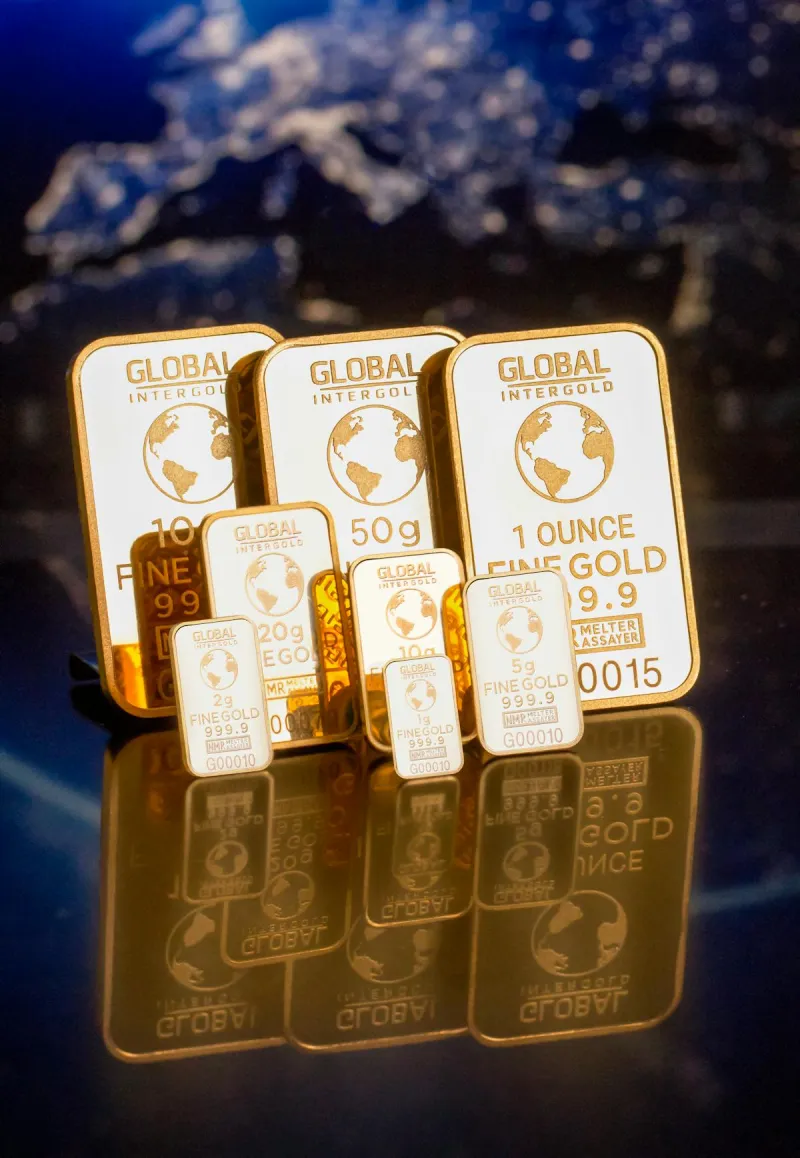
When people speak of “pure gold,” they mean 24-karat gold – the highest level of purity available. With a gold content of 99.9% or higher, 24K gold is the standard against which all other karats are measured. Its deep, saturated yellow colour is unmistakable, and its status as a store of wealth has endured across civilisations for millennia.
Yet 24K gold occupies a unique position in the jewellery world. It is simultaneously the most precious form of the metal and one of the least practical for everyday wear. This guide explains why, and helps you decide when 24K gold is the right choice.
What Exactly Is 24K Gold?
The karat system divides gold purity into 24 parts. A 24-karat piece is composed entirely of gold, with no intentional addition of other metals. In practice, refining technology means that “pure” gold is 99.9% gold (sometimes expressed as 999 fineness), with the remaining 0.1% consisting of trace impurities that are economically impractical to remove.
Some premium refiners produce gold at 999.9 fineness (often called “four nines fine”), but this distinction matters primarily for investment-grade bullion rather than jewellery.
Physical Properties of 24K Gold
- Colour: Intense, warm yellow with an almost orange undertone – noticeably different from the paler yellow of 18K or 14K alloys.
- Density: 19.32 g/cm³, making it one of the densest metals used in jewellery. A 24K ring feels significantly heavier than a similar design in lower karats.
- Hardness: Approximately 25 on the Vickers hardness scale. For context, 18K yellow gold sits around 135–170 HV, and platinum is roughly 50–80 HV. This makes 24K gold extremely soft.
- Melting point: 1,064°C (1,947°F).
- Malleability: The most malleable of all metals. A single gram can be beaten into a sheet of roughly one square metre.
- Tarnish resistance: Excellent. Pure gold does not oxidise or react with most chemicals, acids or moisture.
24K Gold vs Lower Karats
Understanding how 24K compares to common jewellery-grade alloys is essential when deciding what to buy. The table below highlights the key differences.
| Property | 24K (99.9%) | 22K (91.7%) | 18K (75%) | 14K (58.3%) |
|---|---|---|---|---|
| Colour Intensity | Deepest yellow | Rich yellow | Warm yellow | Pale yellow |
| Scratch Resistance | Very low | Low | Moderate | Good |
| Hypoallergenic | Yes | Usually | Usually | Varies |
| Tarnish Resistance | Excellent | Excellent | Very good | Good |
| Price (per gram) | Highest | High | Moderate–High | Moderate |
| Suitability for Daily Wear | Low | Low–Moderate | Good | Very good |
For most engagement rings and everyday jewellery, 18K or 14K gold is recommended because of its superior hardness and resistance to scratches.
Where 24K Gold Is Used
Traditional and Cultural Jewellery
In many South Asian, East Asian and Middle Eastern cultures, 24K and 22K gold jewellery is deeply embedded in tradition. Wedding sets in India, China and the Gulf states are frequently crafted in high-karat gold as a symbol of wealth and familial prestige. These pieces are often worn on special occasions rather than daily, which mitigates the softness issue.
Investment and Bullion
Gold bars and coins intended as financial instruments are nearly always produced in 24K gold. Popular examples include the Canadian Maple Leaf (999.9 fine) and the Chinese Gold Panda (999 fine). The purity makes valuation straightforward – the gold content is effectively equal to the item’s weight.
Gold Leaf and Decorative Arts
Because 24K gold can be beaten into sheets just a few atoms thick, it is the material of choice for gilding picture frames, architectural domes and even luxury food decoration. Edible gold leaf is 24K and considered safe for human consumption in small quantities.
Electronics and Technology
The superb conductivity and corrosion resistance of pure gold make it essential in high-reliability electronic connectors, aerospace components and medical devices. While this is not a jewellery application, it underscores gold’s extraordinary versatility.
Pros and Cons of 24K Gold Jewellery
Advantages
- Unmatched colour richness – the deepest, most saturated yellow of any gold jewellery.
- Zero tarnish under normal conditions.
- Hypoallergenic – ideal for those with metal sensitivities.
- Highest resale and melt value per gram.
- Strong cultural and symbolic significance in many traditions.
Disadvantages
- Extremely soft – scratches, dents and bends easily with everyday wear.
- Not suitable for prong settings – prongs made of 24K gold would bend, risking the loss of a diamond or gemstone.
- Most expensive option per gram of finished jewellery.
- Limited availability in Western jewellery markets, where 18K and 14K dominate.
- Difficult to resize or repair without specialised techniques due to its softness.
Caring for 24K Gold
While 24K gold will not tarnish, its softness demands careful handling:
- Store each piece in a separate soft pouch or lined compartment to prevent scratches from contact with other jewellery.
- Remove 24K gold pieces before any physical activity, housework or gardening.
- Clean gently with lukewarm water and a drop of mild soap, using a very soft cloth. Avoid brushes or abrasive cleaners.
- Have a professional jeweller inspect any 24K gold items annually for signs of wear or deformation.
For comprehensive cleaning advice, visit our jewellery care centre.
How to Verify 24K Gold Purity
Before purchasing 24K gold, consider the following verification methods:
- Hallmark check: Look for a 999 or 24K stamp. In the UK, items above a certain weight must carry an assay office hallmark.
- Acid test: A jeweller applies nitric acid to a small scratch. Pure gold will not react, while lower-karat gold or plating will show a colour change.
- Electronic tester: A handheld device measures electrical conductivity to estimate purity non-destructively.
- Specific gravity test: Pure gold has a density of 19.32 g/cm³. Measuring an item’s density in water can confirm or raise doubts about its purity.
- XRF analysis: X-ray fluorescence scanning is the gold standard (pun intended) for non-destructive purity testing. Many reputable jewellers and pawnbrokers have XRF machines.
Is 24K Gold a Good Investment?
Gold has historically served as a hedge against inflation and currency instability. Over the past 50 years, the price of gold has risen substantially, although it is subject to significant short-term volatility. Buying 24K gold bullion or coins from a reputable dealer is the most straightforward way to invest, as the value is tied directly to the weight and the spot price of gold.
24K gold jewellery, however, is a less efficient investment vehicle because you pay a premium for craftsmanship, design and retail margins. If your primary goal is investment, bullion is the better option. If you want jewellery that also holds intrinsic value, 24K is attractive – just understand that you will not recover the full purchase price upon resale.
Frequently Asked Questions
Is 24K gold the same as pure gold?
Yes. 24K gold is 99.9% pure gold. The terms are used interchangeably in the jewellery and bullion industries.
Can I wear a 24K gold ring every day?
It is not recommended. 24K gold is soft enough to scratch and deform with routine activities. For everyday rings, 18K or 14K gold is a far more practical choice.
Why is 24K gold more expensive than 18K?
Because it contains 33% more pure gold per gram. An 18K alloy is 75% gold and 25% other metals, while 24K is 99.9% gold. The alloying metals (copper, silver, zinc) are far less expensive than gold itself.
Does 24K gold tarnish or turn green?
No. Pure gold is chemically inert under normal conditions. It does not oxidise, tarnish or cause green marks on skin. That said, any dirt or oil on the surface can dull its appearance, so regular gentle cleaning is still recommended.
Where can I buy authentic 24K gold jewellery?
Look for established jewellers who specialise in high-karat gold, particularly those serving South Asian, Middle Eastern or East Asian communities. Always ask for a certificate of purity and check for a hallmark. Reputable online bullion dealers are the best source for 24K gold coins and bars.