Platinum Jewellery: Everything You Need to Know
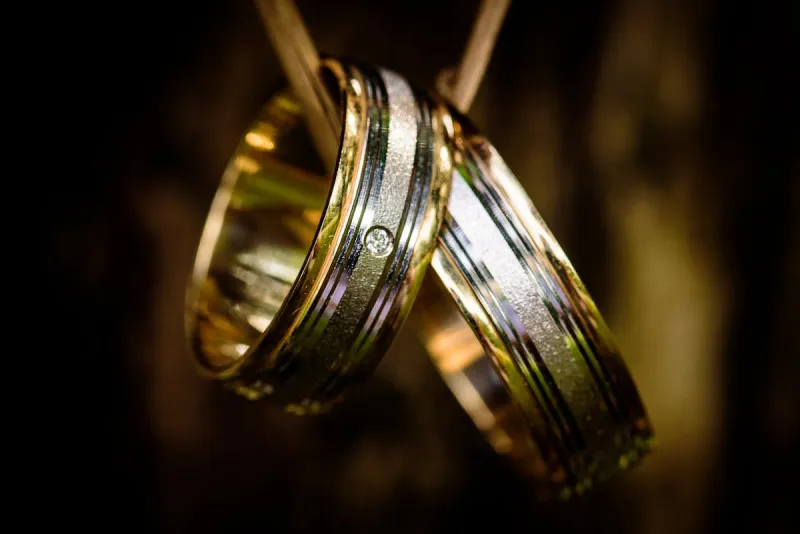
Platinum occupies the pinnacle of the jewellery metal hierarchy. It is rarer than gold, denser than any other common jewellery metal and naturally white – requiring no plating to achieve its cool, elegant finish. For engagement rings, wedding bands and heirloom-quality pieces, platinum has earned its reputation as the ultimate choice. But that prestige comes with a higher price tag and a few characteristics every buyer should understand before committing.
This guide covers platinum’s key properties, its advantages and disadvantages, how it compares to alternatives and the best ways to care for it.
What Is Platinum?
Platinum is a chemical element (symbol Pt, atomic number 78) belonging to the platinum group of metals (PGMs), which also includes palladium, rhodium, iridium, ruthenium and osmium. It occurs naturally in the Earth’s crust at roughly 0.005 parts per million – approximately 15 to 20 times rarer than gold.
Jewellery-grade platinum is typically 95% pure (950 fineness), with the remaining 5% composed of iridium, ruthenium or cobalt to improve workability. Some manufacturers produce 90% (900 fineness) or 85% (850 fineness) platinum, but 950 is the dominant standard worldwide.
Key Physical Properties
| Property | Value / Description |
|---|---|
| Purity (jewellery grade) | 95% (950 fineness) |
| Colour | Cool grey-white, naturally lustrous |
| Density | 21.45 g/cm³ |
| Melting Point | 1,768°C (3,214°F) |
| Hardness (Vickers) | ~50–80 HV (annealed) |
| Tarnish Resistance | Excellent – does not tarnish |
| Hypoallergenic | Yes – nickel-free |
| Scratch Behaviour | Metal displaces, not lost |
Why Choose Platinum?
Unmatched Durability
Platinum’s defining advantage in jewellery is the way it handles wear. While platinum is softer than 14K gold on the hardness scale, its density and molecular structure mean that scratches displace metal rather than removing it. A platinum ring worn daily for 30 years will still contain virtually all of its original metal – it just redistributes on the surface. By contrast, a gold ring slowly loses minute particles of metal with each scratch, eventually requiring retipping of prongs or reshaping of the band.
Natural White Colour
Unlike white gold, which requires rhodium plating to achieve its bright white look, platinum is naturally white. It will never reveal a yellowish undertone because there is no underlying alloy colour to show through. Over time, platinum develops a distinctive matte patina that many owners treasure. Those who prefer a mirror-bright finish can have their ring professionally polished at any time.
Hypoallergenic
Platinum is one of the most biocompatible metals known. It contains no nickel and almost never causes allergic reactions, making it ideal for people with sensitive skin or known metal allergies.
Prestige and Rarity
Platinum’s rarity lends it a cachet that transcends jewellery. The word “platinum” is synonymous with exclusivity – from platinum credit cards to platinum record sales. Owning a platinum ring carries an inherent sense of luxury.
Potential Drawbacks
- Higher cost: Platinum jewellery typically costs 40–70% more than comparable white gold pieces due to the metal’s rarity, higher density (requiring more raw material) and specialist manufacturing requirements.
- Heavier weight: Platinum is approximately 60% denser than 14K gold. A platinum ring will feel noticeably heavier, which is a pro for some and a con for others.
- Scratches more visibly (initially): Because platinum is softer on the surface, it picks up fine scratches faster than gold in the early weeks and months of wear. These scratches eventually blend into the patina.
- Difficult and expensive to resize: The high melting point and density of platinum require specialised equipment and expertise. Resizing typically costs more than the equivalent service in gold.
- Fewer design options: Some intricate filigree or micro-pavé designs are easier (and cheaper) to execute in gold. However, most standard engagement ring and wedding band designs are readily available in platinum.
Platinum Purity Marks
Platinum jewellery carries its own set of hallmarks and stamps:
- 950 or Pt950: 95% platinum – the most common jewellery grade.
- 900 or Pt900: 90% platinum.
- 850 or Pt850: 85% platinum.
- PLAT or PLATINUM: Sometimes spelled out, particularly on American pieces.
- UK Hallmark: An orb symbol indicates platinum, applied by a UK assay office alongside the sponsor’s mark and fineness number.
Platinum for Engagement Rings
Platinum is widely considered the premier metal for engagement rings, and for good reason. Its secure hold on diamonds and gemstones means prongs stay firm for decades. Its natural white colour enhances the brilliance of colourless diamonds without adding any warm tint. And its hypoallergenic nature means even the most sensitive wearer can enjoy their ring without irritation.
Most leading jewellery brands offer their signature engagement ring settings in platinum, and many jewellers recommend it specifically for rings that will be worn 24 hours a day, seven days a week, for a lifetime.
Caring for Platinum Jewellery
Daily Care
- Remove platinum rings before heavy manual work to minimise deep scratches.
- Clean regularly with warm water, mild soap and a soft brush.
- Dry with a lint-free cloth.
Professional Maintenance
- Have your platinum jewellery professionally polished every one to two years if you prefer a high-shine finish.
- Ask your jeweller to inspect prongs annually, especially on rings with pavé-set stones.
- Platinum can be rhodium-plated for an extra-bright finish, though this is optional and uncommon.
Embracing the Patina
Many platinum enthusiasts deliberately avoid polishing their rings, preferring the soft, satiny patina that develops naturally. This matte finish is unique to platinum and is considered by many to be one of its most beautiful qualities. The choice between polish and patina is purely personal.
For more detailed care instructions, visit our jewellery care centre.
Frequently Asked Questions
Is platinum better than gold?
Neither is objectively “better” – they serve different needs. Platinum excels in durability, purity and hypoallergenic properties. Gold offers more colour variety, lighter weight and a lower price. Your choice depends on your priorities.
Does platinum scratch easily?
Platinum picks up surface scratches more readily than harder metals like 14K gold, especially when new. However, the metal is not lost – it just moves around on the surface. Over time, scratches blend into an attractive patina, and polishing can restore the original finish at any time.
Why is platinum more expensive than gold?
Three factors: platinum is rarer, platinum jewellery is purer (95% vs 75% for 18K gold) and platinum is denser (a ring requires more raw material by weight). Manufacturing is also more expensive due to the higher melting point.
Does platinum tarnish?
No. Platinum is chemically inert and does not tarnish, rust or corrode under normal conditions. It will develop a natural patina from surface scratches, but this is not tarnish.
Can platinum be mixed with other metals in a ring?
Yes. A popular option is a platinum head (holding the centre stone) with a white gold band. This gives the gemstone the security of platinum prongs while keeping the overall cost lower.