Titanium Jewellery: Pros, Cons and Care
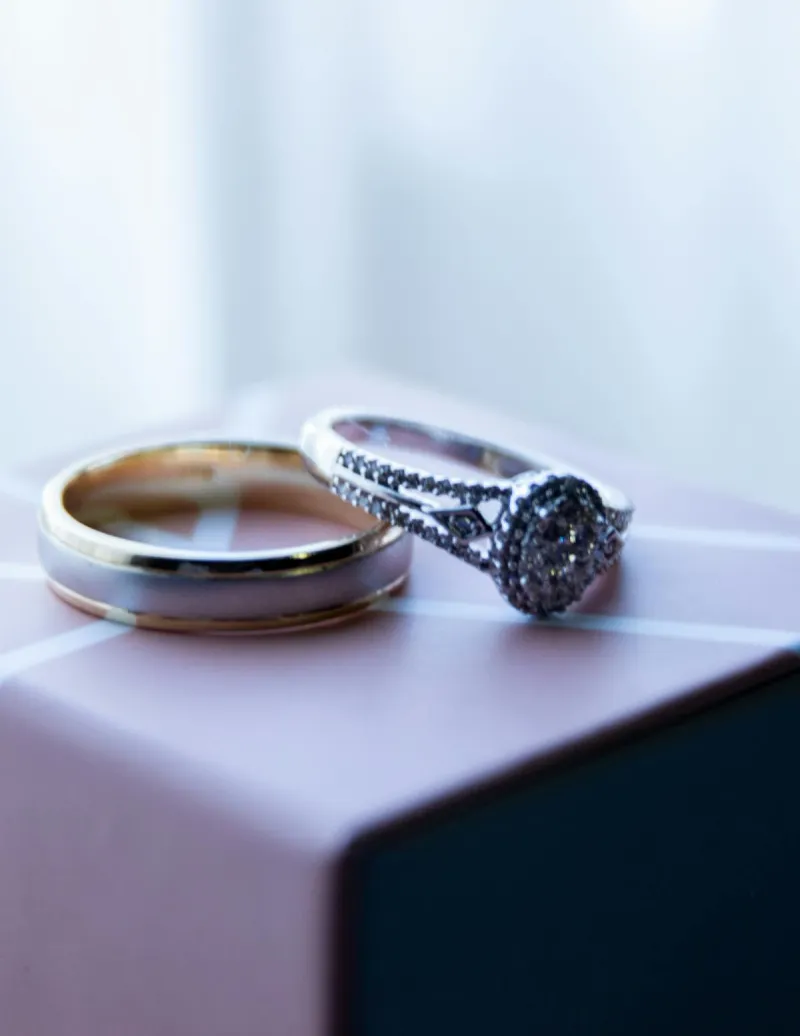
Titanium has transformed the jewellery industry over the past two decades. Once reserved for aerospace engineering and medical implants, this remarkable metal now appears in wedding bands, watches, bracelets and earrings across every price segment. Its appeal is easy to understand: titanium is as strong as steel at less than half the weight, it is completely hypoallergenic and it resists corrosion in virtually all environments. For anyone seeking a modern, durable and comfortable piece of jewellery, titanium deserves serious consideration.
This guide covers titanium’s properties, the different grades used in jewellery, its advantages and limitations, styling options and how to care for it properly.
What Is Titanium?
Titanium (symbol Ti, atomic number 22) is a transition metal discovered in 1791. It is the ninth most abundant element in the Earth’s crust, but extracting and refining it is complex and energy-intensive, which historically kept it expensive. Modern manufacturing advances have made titanium much more accessible, bringing it into the consumer jewellery market.
Titanium has a natural silver-grey colour with a slightly darker tone than sterling silver or white gold. Its surface can be polished to a mirror finish, brushed for a matte look, or anodised to produce a spectrum of vivid colours.
Grades of Titanium in Jewellery
Not all titanium is the same. The jewellery industry primarily uses two forms:
Commercially Pure (CP) Titanium
CP titanium is 99% or higher pure titanium, available in Grades 1 through 4. Grade 1 is the softest and most ductile; Grade 4 is the hardest of the commercially pure grades. Most titanium jewellery uses Grade 2 or Grade 5 (see below). CP titanium is easy to machine and offers the best corrosion resistance and biocompatibility.
Ti-6Al-4V (Grade 5 / Aircraft Grade)
This is the most widely used titanium alloy, containing 90% titanium, 6% aluminium and 4% vanadium. It is significantly harder and stronger than CP titanium, making it the preferred choice for rings and bracelets that need to withstand daily wear. Aircraft-grade titanium is also used extensively in medical implants, testifying to its biocompatibility.
| Property | Titanium (Grade 5) | Platinum 950 | 18K Gold | Stainless Steel 316L |
|---|---|---|---|---|
| Density | 4.43 g/cm³ | 21.45 g/cm³ | ~15.5 g/cm³ | 8.0 g/cm³ |
| Hardness (Vickers) | ~340 HV | ~50–80 HV | ~135–170 HV | ~200 HV |
| Hypoallergenic | Yes | Yes | Usually | Usually |
| Tarnish Resistance | Excellent | Excellent | Very good | Excellent |
| Resizable | No | Yes | Yes | No |
| Price | $ | $$$$ | $$$ | $ |
Advantages of Titanium Jewellery
Featherlight Comfort
Titanium is approximately 45% lighter than steel and nearly five times lighter than platinum. A wide titanium wedding band feels almost weightless on the finger, which makes it exceptionally comfortable for people who are not used to wearing rings or who find heavy rings annoying.
Exceptional Strength
Despite its light weight, titanium (especially Grade 5) has one of the highest strength-to-weight ratios of any metal. It resists bending, breaking and deforming under forces that would damage gold or silver. This makes it ideal for active lifestyles, outdoor work and sports.
Completely Hypoallergenic
Titanium is nickel-free and biocompatible. It is used for surgical implants, hip replacements and dental posts precisely because the human body does not react against it. For people with severe metal allergies, titanium is one of the safest possible choices.
Corrosion Proof
Titanium forms a self-healing oxide layer on its surface that protects it from corrosion by seawater, chlorine, sweat and virtually all environmental conditions. You can swim, shower and exercise while wearing titanium without concern.
Affordable
Despite its impressive properties, titanium jewellery is remarkably affordable – often comparable to stainless steel and a fraction of the cost of gold or platinum.
Colour Options
Through anodising (an electrochemical process), titanium can be coloured in shades of blue, purple, green, bronze, pink and even rainbow patterns. These colours are not paints or coatings – they are produced by controlling the thickness of the oxide layer, which refracts light at different wavelengths. Anodised titanium is a popular choice for unique, eye-catching wedding bands.
Disadvantages of Titanium Jewellery
- Cannot be resized: This is the most significant limitation. Titanium’s hardness makes it impossible to resize using traditional jewellery techniques. If your finger size changes, you will need a new ring. Always ensure accurate sizing before purchasing.
- Difficult to repair: Soldering and welding titanium require specialised equipment (TIG welding in an argon atmosphere). Most high-street jewellers cannot repair titanium pieces.
- Not suitable for gemstone settings: Titanium is rarely used for prong-set diamonds or gemstones because of the difficulty in working prongs in such a hard metal. Tension settings and channel settings are possible but require expert craftsmanship.
- No precious metal status: Titanium is not classified as a precious metal, so it does not carry the same intrinsic or resale value as gold, silver or platinum.
- Limited design variety: While improving, the range of titanium designs available off-the-shelf is narrower than for gold or platinum.
Emergency Removal
A common concern about titanium rings is whether they can be removed in a medical emergency. The answer is yes. While titanium cannot be cut with standard ring cutters, emergency rooms and fire stations carry tools (such as bolt cutters or diamond-blade ring cutters) that can remove a titanium ring quickly. The myth that titanium rings are dangerously impossible to remove is just that – a myth.
Caring for Titanium Jewellery
- Clean with warm water and mild soap, using a soft cloth or brush.
- For stubborn marks, a non-abrasive household cleaner works well.
- Polish with a microfibre cloth to restore shine.
- Anodised colours can fade with heavy abrasion; treat coloured pieces more gently.
- Store separately to avoid scratching softer metals in your jewellery box.
- No special chemical precautions are needed – titanium is resistant to virtually everything.
For more care tips, visit our jewellery care centre.
Frequently Asked Questions
Is titanium good for wedding rings?
Yes. Titanium is one of the most popular alternative metals for wedding bands. Its durability, comfort and affordability make it an excellent everyday ring. Just ensure you get the size right, as titanium cannot be resized.
Does titanium scratch?
Grade 5 titanium is very scratch-resistant but not scratch-proof. It will eventually pick up surface marks with heavy wear, though far fewer than gold or silver. Scratches can be buffed out by a jeweller with the right equipment.
Can titanium be engraved?
Yes. Laser engraving works beautifully on titanium and is the preferred method. Traditional hand engraving is more difficult due to the metal’s hardness but is not impossible.
Will titanium turn my finger green?
No. Titanium does not react with skin, sweat or water. It will not cause any skin discolouration whatsoever.
Is titanium better than stainless steel for jewellery?
Both are excellent alternative metals. Titanium is lighter, more hypoallergenic and more corrosion-resistant. Stainless steel is heavier, harder and often cheaper. The choice depends on whether you prioritise weight or heft.