Hypoallergenic Metals for Sensitive Skin
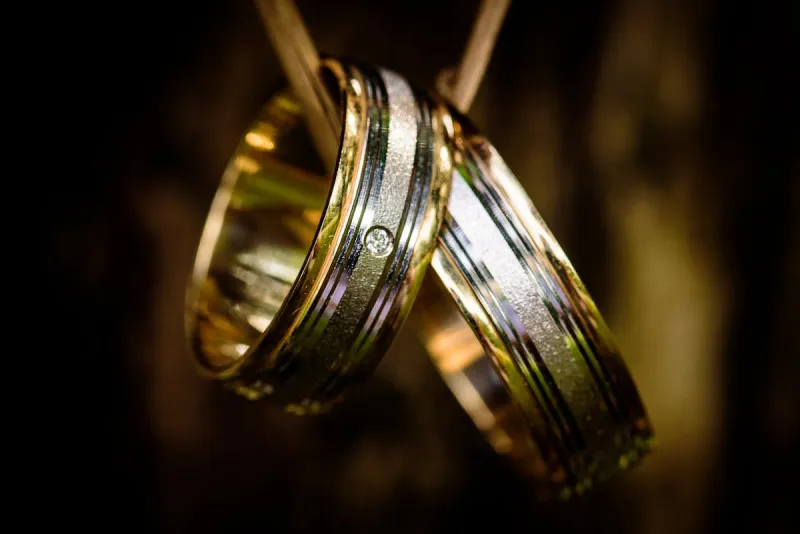
For millions of people worldwide, wearing jewellery comes with an unwelcome side effect: itchy, red, inflamed skin. The condition, known as allergic contact dermatitis, is most commonly triggered by nickel – a metal found in many jewellery alloys. The good news is that a wide range of truly hypoallergenic metals exist, allowing even the most sensitive individuals to enjoy beautiful jewellery without discomfort.
This guide explains what causes metal allergies, identifies the safest metals for sensitive skin and helps you navigate jewellery shopping with confidence.
Understanding Metal Allergies
What Causes a Jewellery Allergy?
Metal allergies are a type of delayed hypersensitivity reaction. When a reactive metal (most often nickel) dissolves into sweat and penetrates the skin, the immune system identifies it as a foreign invader and launches an inflammatory response. Symptoms typically appear within 12 to 72 hours of exposure and can include:
- Redness and inflammation at the point of contact.
- Itching, sometimes intense.
- Dry, scaly or blistered skin.
- In severe cases, oozing or cracking.
The Nickel Problem
Nickel is by far the most common cause of jewellery-related contact dermatitis. Studies estimate that 10–15% of women and 1–3% of men are sensitised to nickel. Once sensitised, the allergy is lifelong – there is no cure, only avoidance. Nickel is found in many white gold alloys, some sterling silver formulations, costume jewellery, watch backs and belt buckles.
Other Allergenic Metals
While nickel is the primary offender, some people also react to cobalt, chromium or copper. These metals are less commonly problematic but worth being aware of if nickel-free jewellery still causes symptoms.
The Safest Hypoallergenic Metals
| Metal | Nickel-Free | Safety Level | Precious Metal | Price Range | Best For |
|---|---|---|---|---|---|
| Platinum (950) | Yes | Excellent | Yes | $$$$ | Engagement rings, fine jewellery |
| Palladium (950) | Yes | Excellent | Yes | $$$ | Wedding bands, lightweight rings |
| Titanium (Gr. 2/5) | Yes | Excellent | No | $ | Wedding bands, watches, earrings |
| Niobium | Yes | Excellent | No | $$ | Body jewellery, earrings |
| 24K Gold | Yes | Excellent | Yes | $$$$ | Special-occasion pieces |
| 18K Gold (nickel-free) | If palladium-based | Very good | Yes | $$$ | All fine jewellery |
| Argentium Silver | Yes | Very good | Yes | $$ | All silver jewellery |
| Surgical Steel (316L) | No (but low release) | Good | No | $ | Fashion jewellery, body piercings |
Detailed Look at Each Metal
Platinum
Platinum is widely regarded as the gold standard for hypoallergenic jewellery. At 95% purity, it contains no nickel, cobalt or copper. Its dense, non-porous surface prevents any trace alloying metals from leaching into the skin. Platinum is the safest choice for engagement rings, wedding bands and any jewellery worn continuously against the skin.
Palladium
Palladium shares platinum’s hypoallergenic credentials as a fellow platinum-group metal. It is nickel-free, naturally white and about 44% lighter than platinum. Palladium is an excellent alternative for those who want a precious white metal without the weight and cost of platinum.
Titanium
Titanium is completely biocompatible – it is used in surgical implants and artificial joints specifically because the body does not reject it. Commercially pure titanium (Grades 1–4) and the standard alloy Ti-6Al-4V (Grade 5) are both 100% nickel-free. Titanium is the most affordable hypoallergenic option, making it ideal for budget-conscious buyers.
Niobium
Niobium is a lesser-known metal that is gaining popularity in body jewellery and earrings. It is 100% hypoallergenic, nickel-free and can be anodised to produce a range of vibrant colours (similar to titanium). Niobium is softer than titanium, making it easier to work into delicate earring designs. It is considered one of the safest metals for fresh piercings.
Pure Gold (24K and High-Karat)
24K gold is inherently hypoallergenic because it is 99.9% pure gold with no allergenic alloy metals. However, 24K gold is too soft for most jewellery. Opting for 18K gold made with a nickel-free alloy (such as those using palladium as the whitening agent in white gold) is a practical compromise. Always ask the jeweller to confirm that the alloy is nickel-free, especially for white gold. See our 18K vs 14K guide for more detail.
Argentium Silver
Argentium silver replaces some of the copper in traditional sterling silver with germanium. The result is a tarnish-resistant, nickel-free silver alloy that is safe for most sensitive skin. It is available at 935 and 960 fineness, both higher in silver content than standard 925 sterling.
Surgical Stainless Steel (316L)
316L stainless steel technically contains nickel (about 10–14%), but the nickel is tightly bound within the alloy’s crystalline structure and releases at extremely low levels. The EU Nickel Directive (EN 1811) tests confirm that quality 316L steel falls below the threshold that triggers reactions in most nickel-sensitive individuals. That said, people with severe nickel allergies should still exercise caution and consider nickel-free alternatives.
Metals to Avoid If You Have Sensitive Skin
- Nickel silver (German silver): Contains no silver at all – it is a nickel-copper-zinc alloy and a major allergen.
- Brass: An alloy of copper and zinc that often contains traces of nickel and can cause green skin marks and irritation.
- Costume jewellery with unknown alloys: Cheap fashion jewellery frequently uses nickel-heavy base metals. If the alloy is not specified, assume the worst.
- White gold with nickel alloy: Some white gold alloys use nickel instead of palladium as a whitening agent. Always ask about the alloy composition.
- Copper: While beautiful, pure copper causes green marks and can irritate sensitive skin through oxidation and mild acidity reactions with sweat.
Tips for Shopping with Metal Allergies
- Always ask about alloy composition: Reputable jewellers will know exactly what metals are in their products. If they cannot tell you, shop elsewhere.
- Look for “nickel-free” labelling: This is the simplest indicator, especially in the EU where nickel regulations are strict.
- Test before committing: If trying a new metal for the first time, wear a small piece (like a post earring) for a few days before investing in an expensive ring or bracelet.
- Choose higher karats: In gold, higher karats mean more gold and less alloy, reducing the chance of encountering nickel.
- Consider protective barriers: Clear nail polish or barrier creams can be applied to the inside of rings as a temporary solution, though they wear off and need reapplication.
- Buy from sellers who specialise in hypoallergenic jewellery: Brands that specifically cater to sensitive skin are more likely to use safe alloys and transparent labelling.
EU Nickel Regulations
The European Union has some of the world’s strictest regulations on nickel in jewellery. Under the REACH regulation (Registration, Evaluation, Authorisation and Restriction of Chemicals), jewellery items that come into prolonged contact with the skin must not release more than 0.5 micrograms of nickel per square centimetre per week. This regulation has significantly improved the safety of jewellery sold in Europe, but imported items from outside the EU may not always comply. When buying online from international sellers, check whether the product meets EU nickel standards.
Frequently Asked Questions
Can you develop a metal allergy later in life?
Yes. Metal allergies can develop at any age, even if you have worn jewellery without issues for years. Sensitisation occurs through repeated exposure – one day the immune system decides to react. Once sensitised, the allergy is permanent.
Is sterling silver hypoallergenic?
Traditional sterling silver (925) is well tolerated by most people, but it is not 100% hypoallergenic. The copper content can irritate very sensitive skin, and some sterling alloys contain traces of nickel. Argentium silver is a safer alternative.
What is the best metal for newly pierced ears?
Implant-grade titanium (ASTM F136) or niobium are the safest choices for fresh piercings. They are completely nickel-free and biocompatible. Surgical steel (316L) is also widely used and safe for most people.
Does rhodium plating make jewellery hypoallergenic?
Rhodium itself is hypoallergenic, and rhodium plating creates a barrier between your skin and the underlying alloy. However, the plating wears off over time (especially on rings), eventually exposing the alloy beneath. Rhodium plating is a temporary solution, not a permanent one.
Is rose gold safe for sensitive skin?
Rose gold is generally safe because its alloy metals are copper and silver, not nickel. However, individuals with a rare copper sensitivity may experience mild reactions. Most nickel-allergic people can wear rose gold without issue.