Tungsten Carbide Jewellery
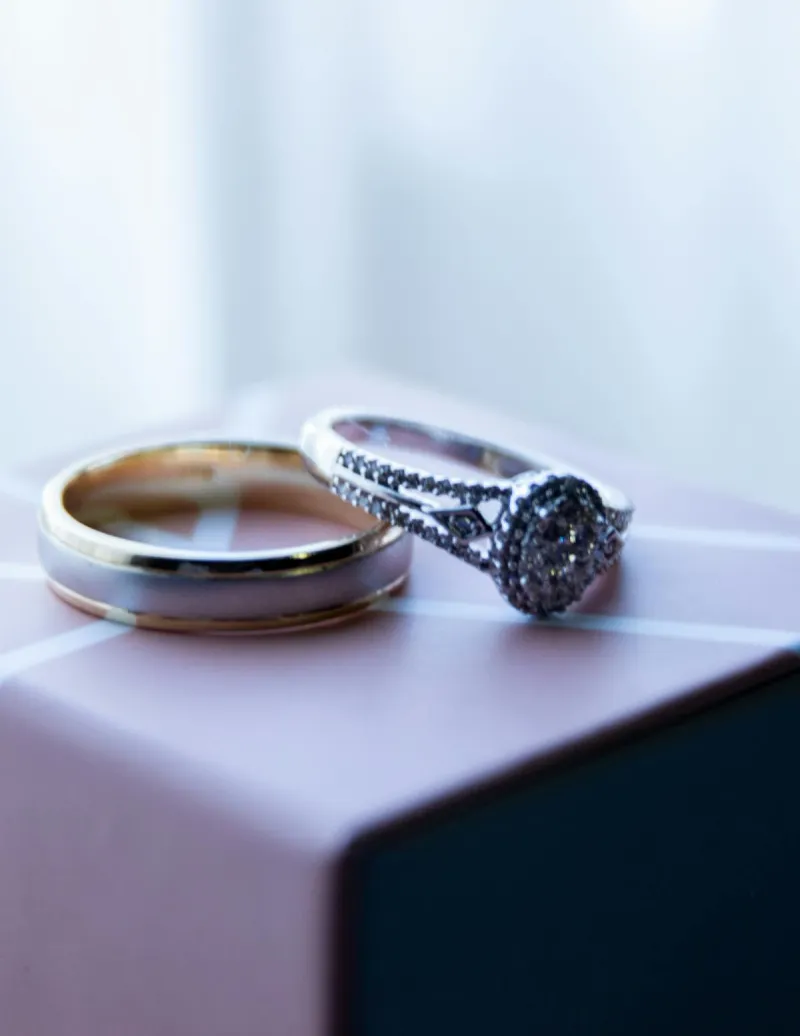
Tungsten carbide has rapidly become one of the most popular modern metals in the jewellery world, particularly for men’s wedding bands. Formed by combining tungsten – one of the hardest natural elements – with carbon atoms, tungsten carbide produces a material of extraordinary hardness and durability. Its distinctive gunmetal grey colour, mirror-like permanent polish and remarkably affordable price point have made it a compelling alternative to traditional precious metals.
This guide covers everything you need to know about tungsten carbide jewellery, from its physical properties and styling options to care instructions and important safety considerations.
Tungsten Carbide Properties
| Property | Value |
|---|---|
| Hardness (Mohs scale) | 9–9.5 |
| Density | 15.63 g/cm³ |
| Melting Point | 2,870 °C (5,200 °F) |
| Natural Colour | Gunmetal grey |
| Hypoallergenic | Yes (cobalt-free versions) |
| Scratch Resistance | Exceptional – second only to diamond |
| Resizable | No |
Tungsten Carbide vs Pure Tungsten
It is important to understand the distinction between pure tungsten and tungsten carbide, as they are often confused. Pure tungsten is a naturally occurring element (symbol W, atomic number 74). While it is extremely hard, pure tungsten is also brittle and difficult to work with in jewellery applications. Its dull grey appearance is less attractive and it oxidises more readily.
Tungsten carbide, by contrast, is a compound created by bonding tungsten with carbon at very high temperatures. The result is a material that is significantly harder, takes a brilliant polish and maintains its finish indefinitely. Virtually all “tungsten” jewellery on the market is actually tungsten carbide, though it is commonly marketed under the simpler name.
The binder used in jewellery-grade tungsten carbide matters too. Lower-quality pieces use cobalt as a binder, which can cause skin irritation and reacts poorly with skin oils over time. Premium tungsten carbide jewellery uses nickel as the binder instead, making it truly hypoallergenic. Always look for “cobalt-free” or “nickel-binder” tungsten carbide when shopping.
Advantages of Tungsten Carbide Jewellery
Extreme Scratch Resistance
Tungsten carbide rates 9–9.5 on the Mohs hardness scale, placing it just below diamond (which rates 10). In practical terms, this means a tungsten carbide ring will resist scratches from virtually anything you encounter in daily life. Unlike gold, platinum or titanium, a tungsten carbide band can be worn for years without showing surface wear.
Permanent Polish
Thanks to its hardness, a polished tungsten carbide ring retains its mirror finish permanently. There is no need for periodic re-polishing or rhodium plating as with white gold. The ring will look the same on your tenth anniversary as it did on the day you bought it.
Affordable Price
Tungsten carbide jewellery is remarkably inexpensive compared to precious metals. A high-quality tungsten carbide wedding band typically costs a fraction of what you would pay for a comparable gold or platinum ring, making it accessible to virtually any budget.
Heavy, Substantial Feel
With a density of 15.63 g/cm³, tungsten carbide is nearly as dense as gold (19.3 g/cm³) and denser than sterling silver (10.49 g/cm³). Many wearers appreciate the satisfying heft, which gives the ring a premium, substantial feel on the finger.
Modern Aesthetic
Tungsten carbide’s natural gunmetal grey colour has a contemporary, masculine look that appeals to those who prefer something different from traditional yellow or white metals. It pairs exceptionally well with modern and minimalist fashion.
Disadvantages of Tungsten Carbide Jewellery
- Cannot be resized: Tungsten carbide’s extreme hardness makes resizing completely impossible. If your finger size changes due to weight fluctuations, ageing or other factors, you will need to purchase a new ring. Accurate sizing before buying is essential.
- Brittle – can shatter on impact: Despite being incredibly hard, tungsten carbide is a ceramic-metallic compound, not a ductile metal. A hard drop onto a concrete or tile floor can cause it to crack or shatter. It will not bend or deform like gold, but it can fracture under sharp impact.
- Limited designs: Because tungsten carbide cannot be cast, soldered or manipulated like precious metals, design options are more limited. Most tungsten jewellery comes in ring form, and intricate filigree or detailed settings are not feasible.
- No soldering or traditional repairs: Broken tungsten carbide cannot be soldered back together. If a ring cracks, it must be replaced rather than repaired.
- No precious metal status: Tungsten carbide is not a precious metal, so it carries no significant intrinsic or resale value. It is a functional purchase, not an investment.
Tungsten Carbide vs Titanium
Tungsten carbide and titanium are the two most popular alternative metals for wedding bands. Each has distinct strengths and weaknesses.
| Property | Tungsten Carbide | Titanium (Grade 5) |
|---|---|---|
| Hardness (Mohs) | 9–9.5 | 6 |
| Scratch Resistance | Exceptional | Good |
| Weight | Very heavy (15.63 g/cm³) | Very light (4.43 g/cm³) |
| Brittleness | Can shatter on impact | Very tough, will not shatter |
| Colour | Gunmetal grey | Silver-grey |
| Colour Options | Limited (grey, black, white) | Wide range (anodising) |
| Hypoallergenic | Yes (cobalt-free) | Yes |
| Resizable | No | No |
| Emergency Removal | Cracked off with pliers | Cut with special tools |
| Price | $ | $ |
In short, choose tungsten carbide if you prioritise scratch resistance and a weighty feel. Choose titanium if you prefer a lightweight ring that can withstand impacts without breaking.
Tungsten Carbide vs Gold and Platinum
Comparing tungsten carbide to traditional precious metals highlights a very different set of trade-offs.
| Property | Tungsten Carbide | 18K Gold | Platinum 950 |
|---|---|---|---|
| Scratch Resistance | Exceptional | Low–moderate | Moderate |
| Weight | Heavy | Heavy | Very heavy |
| Hypoallergenic | Yes (cobalt-free) | Usually | Yes |
| Resizable | No | Yes | Yes |
| Gemstone Settings | Very limited | Extensive | Extensive |
| Intrinsic Value | Minimal | High | High |
| Maintenance | Almost none | Regular polishing | Occasional polishing |
| Price | $ | $$$ | $$$$ |
Tungsten carbide wins on durability and price but cannot match gold and platinum for design versatility, resizeability or investment value. Many couples opt for tungsten carbide as an affordable everyday band while reserving a precious metal ring for special occasions.
Tungsten Ring Styles
While tungsten carbide’s design options are more limited than those of precious metals, there is still a respectable variety of styles to choose from.
Classic Dome
The traditional comfort-fit dome profile is the most popular tungsten ring style. The gently rounded exterior feels natural on the finger and the polished finish showcases the metal’s mirror-like shine. Widths typically range from 4 mm to 8 mm.
Flat (Pipe Cut)
A flat or pipe-cut tungsten ring features straight, angular edges and a flat top surface. This style gives a bold, contemporary, architectural look that suits those who prefer sharp, clean lines. It is particularly popular in wider widths of 6 mm to 10 mm.
Brushed and Matte
A brushed or satin finish softens tungsten carbide’s intense reflectivity, creating an understated, sophisticated appearance. Brushed tungsten pairs beautifully with both casual and formal attire and shows fewer fingerprints than a polished finish.
Two-Tone with Gold or Rose Gold Inlay
One of the most striking tungsten ring designs features a channel of gold or rose gold inlaid into the centre of the band. This combines the scratch resistance and affordability of tungsten with the warmth and traditional appeal of a precious metal accent. Two-tone designs are a popular choice for wedding bands.
Carbon Fibre Inlay
For a thoroughly modern aesthetic, tungsten rings with carbon fibre inlays offer a technical, sporty look. The woven texture of carbon fibre contrasts beautifully with polished or brushed tungsten, creating a ring with genuine visual depth and contemporary character.
Care and Maintenance
Tungsten carbide is one of the lowest-maintenance jewellery metals available, but a few simple habits will keep your ring looking its best.
- Cleaning: Warm water with a few drops of mild washing-up liquid and a soft cloth is all you need. Wipe the ring gently and rinse thoroughly.
- Stubborn residue: For built-up grime or lotion residue, soak the ring for a few minutes before wiping. A soft-bristled toothbrush can help reach textured areas or inlays.
- Avoid harsh chemicals: While tungsten carbide itself is chemically inert, harsh chemicals can damage inlays, plating or any adhesive used in composite designs.
- Store carefully: Despite its hardness, store tungsten carbide separately from other jewellery. It can scratch softer metals and gemstones if stored together.
- Avoid heavy impacts: Remember that tungsten carbide is hard but brittle. Remove your ring before activities involving heavy tools, weights or hard surfaces where it could receive a sharp blow.
For comprehensive advice, visit our jewellery care centre.
Safety Considerations and Emergency Removal
One of the most common questions about tungsten carbide rings concerns emergency removal. The good news is that tungsten carbide rings are actually easier to remove in an emergency than many other metals.
Because tungsten carbide is brittle rather than ductile, it can be cracked off the finger using standard locking pliers (vice grips). A paramedic or emergency room technician applies steady pressure, and the ring fractures cleanly into pieces without injuring the finger. This is actually safer and faster than cutting through a titanium or stainless steel ring, which requires a special diamond-blade ring cutter and generates heat during the process.
That said, always remove your tungsten carbide ring before any activity where your finger could swell significantly, such as intense exercise, heavy manual labour or travel to high altitudes.
Buying Tips
- Insist on jewellery-grade tungsten carbide: Ensure the ring is made from jewellery-grade tungsten carbide with a nickel binder, not an industrial grade with a cobalt binder. Cobalt-bound tungsten can cause skin reactions and oxidises over time.
- Get your size right: Since tungsten cannot be resized, have your finger professionally measured at different times of day (fingers swell in heat and shrink in cold). Many reputable sellers offer free sizing exchanges.
- Check the return policy: A generous return or exchange policy is essential when buying a ring that cannot be altered.
- Look for a lifetime warranty: Many tungsten ring manufacturers offer lifetime replacement guarantees, which provide peace of mind given the metal’s brittleness.
- Consider comfort fit: A comfort-fit interior (slightly rounded inside the band) is highly recommended, especially for wider rings. It makes the ring easier to slide on and off and feels more comfortable for all-day wear.
- Beware of “tungsten” without “carbide”: Some cheaper rings are made from basic tungsten alloys rather than true tungsten carbide. These lack the hardness and polish retention that make tungsten carbide special.
Frequently Asked Questions
Is tungsten carbide safe to wear every day?
Yes. Cobalt-free tungsten carbide is completely hypoallergenic, chemically inert and will not cause skin discolouration or irritation. It is one of the safest metals for everyday wear.
Will a tungsten carbide ring scratch?
Under normal daily wear, no. Tungsten carbide can only be scratched by materials of equal or greater hardness, such as diamond, sapphire or silicon carbide. It is virtually scratch-proof against everyday objects.
Can tungsten carbide rings be engraved?
Yes. Laser engraving works excellently on tungsten carbide and is the standard method. Traditional hand engraving is not possible due to the extreme hardness of the material.
Will a tungsten ring shatter if I drop it?
It depends on the surface and the force of the impact. Dropping a tungsten carbide ring onto a carpeted floor will cause no damage. Dropping it onto concrete or a hard tile floor from a significant height could potentially cause it to crack. This is unlikely during normal daily activities but is worth bearing in mind.
Is tungsten carbide better than titanium for a wedding band?
Neither is objectively better – they suit different preferences. Tungsten carbide is harder, heavier and maintains its polish permanently. Titanium is lighter, tougher (it will not shatter) and available in more colours. If scratch resistance is your top priority, choose tungsten carbide. If weight and impact resistance matter more, choose titanium.