Wedding Bands: Choosing the Perfect Symbol of Your Marriage
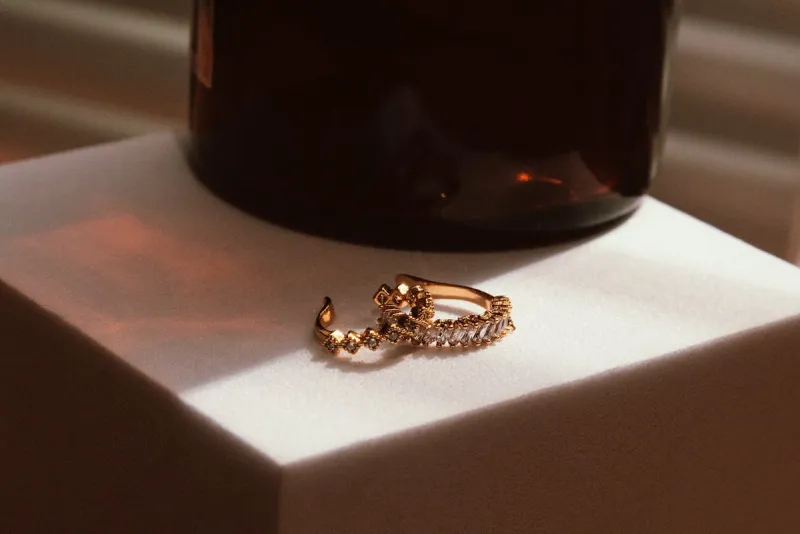
Wedding bands are the most enduring symbols of marriage, worn every day as a constant reminder of the vows exchanged on your wedding day. Unlike engagement rings, which are typically chosen by one partner, wedding bands are often selected together, making the shopping experience a shared milestone. This guide covers everything from metal options and band widths to finishes, diamond settings, and the art of matching bands as a couple.
The History and Symbolism of Wedding Bands
The tradition of exchanging rings during a marriage ceremony stretches back nearly five thousand years. Ancient Egyptians believed that the “vena amoris” — the vein of love — ran directly from the fourth finger of the left hand to the heart, which is why that finger became the traditional ring finger in many Western cultures. Early bands were made from braided reeds, which eventually gave way to iron, bronze, and precious metals. Today, wedding bands are crafted from an array of materials, each offering unique aesthetic and practical qualities.
Wedding Band Metals Compared
The metal you choose will define the band's colour, weight, durability, and price. Here is an overview of the most popular options:
Platinum
Platinum is the densest and most durable precious metal used in jewellery. It is naturally white, hypoallergenic, and does not require rhodium plating. Over time, platinum develops a soft patina that many wearers find attractive; it can be polished back to a high shine at any time. Its density gives it a substantial feel on the finger, and it is the premium choice for wedding bands designed to last generations.
Gold
Gold wedding bands are available in yellow, white, and rose varieties. Yellow gold remains the most traditional option, while white gold offers a contemporary look similar to platinum at a lower price. Rose gold, with its warm pink hue, has become a favourite for those seeking a romantic aesthetic. Gold is measured in karats: 18K (75% pure gold) offers a richer colour, while 14K (58.3% pure gold) is harder and more scratch-resistant.
Palladium
A member of the platinum family, palladium is lighter in weight and lower in price while offering a similar bright white colour. It is hypoallergenic and does not tarnish, making it an excellent mid-range option.
Titanium and Tungsten
These contemporary metals are extremely hard and scratch-resistant, making them popular for men's wedding bands. Titanium is featherlight, while tungsten is notably heavy. Both are affordable, but they cannot be resized, which is an important consideration.
| Metal | Colour | Durability | Hypoallergenic | Resizable | Price Level |
|---|---|---|---|---|---|
| Platinum | Naturally white | Very high | Yes | $$$$ | |
| 18K Yellow Gold | Rich yellow | Moderate | Usually | Yes | $$$ |
| 14K White Gold | Bright white (plated) | Good | Varies | Yes | $$ |
| Rose Gold | Pink/blush | Good | Usually | Yes | $$ |
| Titanium | Grey-silver | Very high | Yes | No | $ |
| Tungsten | Dark grey | Extremely high | Yes | No | $ |
Band Width and Profile
Width and profile significantly affect how a wedding band looks and feels on the finger.
Width
- 2–3 mm: Delicate and feminine. Ideal for pairing with slender engagement rings or for those who prefer minimal jewellery.
- 4–5 mm: The most popular range for both men and women. Offers a balanced look that is neither too thin nor too bulky.
- 6–8 mm: Bold and masculine. Common for men's bands and those who want a strong visual presence.
Profile
- Flat: A modern, angular profile with straight edges. Sits flush against the finger.
- Court (Comfort Fit): Rounded on the inside and slightly domed on the outside. The most comfortable option for all-day wear.
- D-Shape: Flat on the inside, domed on the outside. A classic British profile.
- Knife Edge: Pointed along the top centre, creating a distinctive V-shaped cross-section.
Finishes and Textures
The finish applied to a wedding band changes its character dramatically:
- High Polish: Mirror-like reflectivity. The most traditional and widely chosen finish.
- Matte (Brushed): A soft, contemporary look that hides minor scratches well.
- Satin: A subtle sheen between matte and polished. Elegant and understated.
- Hammered: Textured dimples created by hand or machine. Adds artisan character.
- Sandblasted: A fine, slightly rough texture. Popular for men's bands.
- Two-Tone: Combines two finishes or metals in one band, such as a polished centre with matte edges.
Diamond and Gemstone Wedding Bands
Many wedding bands incorporate diamonds or coloured gemstones for added brilliance:
- Channel-Set: Stones sit between two parallel metal walls, creating a sleek, flush surface ideal for active wearers.
- Pavé-Set: Tiny stones cover the surface of the band, maximising sparkle.
- Half-Eternity: Stones set across the front half of the band. Allows for easier resizing than full eternity designs.
- Full Eternity: Stones encircle the entire band. Stunning but difficult to resize.
Matching Your Wedding Band to Your Engagement Ring
If you wear an engagement ring, your wedding band should complement it both visually and physically. Consider these strategies:
- Metal Match: Using the same metal ensures a cohesive look and prevents wear from metal-on-metal friction between dissimilar alloys.
- Contoured Bands: These are shaped to curve around the engagement ring's setting, eliminating gaps between the two rings.
- Straight Bands: If your engagement ring has a low profile, a straight band will sit flush against it without the need for contouring.
- Enhancer / Ring Guard: Two bands that sit on either side of the engagement ring, creating a sandwich effect.
His and Hers: Choosing Bands as a Couple
Couples do not need matching wedding bands, though coordinating elements — such as the same metal colour, engraving font, or interior finish — can create a unified feel. Many men prefer wider, unadorned bands in platinum or tungsten, while women often choose narrower bands with diamond accents. The key is that both partners feel comfortable and connected to their choice.
Engraving Your Wedding Band
Engravings add a personal touch to wedding bands. Common options include the wedding date, initials, a short phrase, or a meaningful symbol. Laser engraving allows for fine detail and can accommodate longer inscriptions than traditional hand engraving. Ensure you order the correct size before engraving, as engraved bands can sometimes be more difficult to resize.
Caring for Your Wedding Band
Because wedding bands are worn daily, they accumulate oils, lotions, and minor surface scratches over time. Clean your band regularly using warm soapy water and a soft brush. Remove it before heavy manual work, gardening, or using harsh chemicals. Platinum and gold bands should be professionally polished every year or two. Visit our jewellery care hub for detailed instructions.
Frequently Asked Questions
Should wedding bands be the same metal as the engagement ring?
It is recommended for practical reasons — dissimilar metals can cause wear over time — but it is not strictly necessary. Mixed-metal stacking is a popular modern trend.
When should we buy our wedding bands?
Allow six to eight weeks before your wedding date, or longer if you want custom designs or engraving. Off-the-shelf bands can often be purchased with shorter lead times.
Can tungsten wedding bands be cut off in an emergency?
Yes. Although tungsten is extremely hard, it is also brittle and can be cracked off with vice-grip pliers, which emergency departments carry. Titanium is cut using specialised tools. Both can be safely removed.
How wide should a man's wedding band be?
The most popular width for men is 5–7 mm. Try on several widths in person, as the ideal choice depends on finger size, hand proportion, and personal preference.
Do wedding bands need to match as a couple?
Not at all. Many couples choose complementary rather than identical bands. The most important factor is that each person loves their individual ring.