Rings: The Definitive Guide to Types, Settings, and Sizing
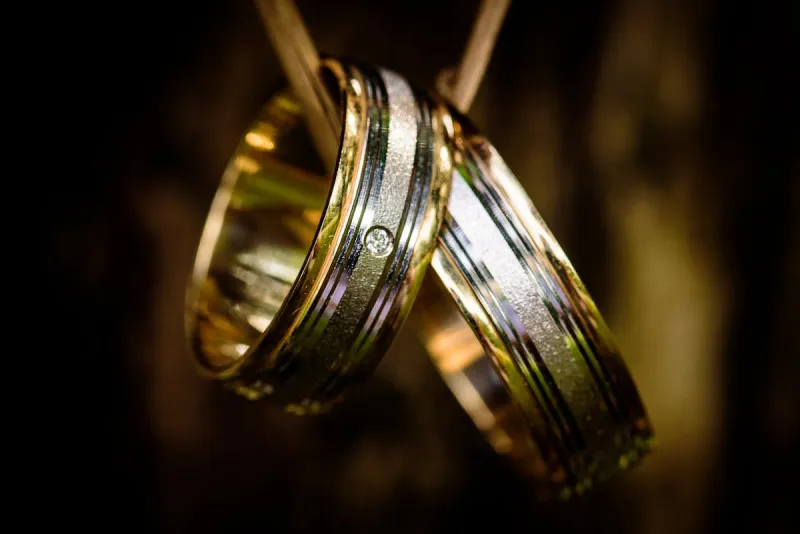
Rings have been worn by humans for over five thousand years, serving as symbols of power, commitment, faith, and fashion. Today they remain the most popular category of fine jewellery, with global sales driven by engagements, weddings, anniversaries, and self-purchase. Whether you are buying your first ring or adding to a growing collection, this guide covers everything you need to know — from anatomy and settings to sizing and care.
A Brief History of Rings
The earliest known rings date back to ancient Egypt, where bands woven from reeds and leather were exchanged as tokens of eternal love, the circle representing infinity. The Romans later adopted metal rings to signify social rank, with gold reserved for the upper classes and iron for commoners. By the medieval period, rings set with gemstones had become integral to royalty and clergy. The modern engagement ring tradition was popularised in the 15th century when Archduke Maximilian of Austria presented a diamond ring to Mary of Burgundy in 1477.
Ring Anatomy: Parts of a Ring
Understanding ring terminology helps you communicate with jewellers and make informed decisions. Every ring consists of several key components:
- Shank (Band): The part that encircles the finger. It can be plain, engraved, pavé-set, or split.
- Head (Setting): The structure that holds the centre stone in place.
- Prongs: Metal claws that grip the gemstone. Four-prong and six-prong settings are most common.
- Gallery: The open area beneath the head that allows light to enter the stone from below.
- Shoulder: The section where the shank meets the head, often adorned with accent stones.
- Bridge: The underside bar connecting two sides of a split shank.
Popular Ring Types
Engagement Rings
Engagement rings symbolise a proposal of marriage. They typically feature a prominent centre stone — most often a diamond — mounted in a solitaire, halo, or three-stone setting. Modern trends include coloured gemstones such as sapphires and morganites, as well as vintage-inspired designs with milgrain detailing.
Wedding Bands
Wedding bands are exchanged during the marriage ceremony and worn daily thereafter. They tend to be simpler than engagement rings, though many feature channel-set diamonds, engraving, or mixed metals. Comfort-fit bands with a slightly domed interior are favoured for all-day wear.
Promise Rings
Promise rings represent a commitment between two people that has not yet reached the engagement stage. Designs are usually modest, featuring small gemstones, heart motifs, or infinity symbols. They are popular among younger couples and are worn on any finger.
Signet Rings
Signet rings have a flat or slightly domed face traditionally engraved with a family crest, monogram, or personal symbol. Once used to stamp wax seals on correspondence, they have experienced a fashion resurgence and are now worn by all genders as statement accessories.
Cocktail Rings
Cocktail rings are bold, oversized rings designed to make a statement at social events. They often feature large coloured gemstones surrounded by diamond halos and set in elaborate gold or platinum mountings.
Ring Settings Explained
| Setting | Description | Security | Best For |
|---|---|---|---|
| Prong | Metal claws grip the stone, maximising light exposure | Moderate – prongs can catch on fabrics | Engagement rings, solitaires |
| Bezel | A metal rim fully encircles the stone | High – excellent protection | Active lifestyles, modern designs |
| Channel | Stones sit between two metal walls with no prongs | High – flush surface | Wedding bands, eternity rings |
| Pavé | Tiny stones set closely together across the band | Moderate – small prongs hold each stone | Accent bands, halo rings |
| Tension | The band's pressure holds the stone in place | Moderate – requires precise engineering | Contemporary, minimalist designs |
| Flush (Gypsy) | Stone sits level with the metal surface | Very high – maximum protection | Men's rings, rugged wear |
How to Choose the Right Metal
The metal you choose affects both the look and longevity of your ring. Here is a quick overview of the most popular options:
- Yellow Gold: Classic warmth, available in 10K, 14K, and 18K. Higher karat means richer colour but softer metal.
- White Gold: Alloyed with palladium or nickel and rhodium-plated for a bright, silvery finish. Requires periodic re-plating.
- Rose Gold: Copper alloy gives a romantic pink hue. Durable and increasingly popular for engagement rings.
- Platinum: Dense, hypoallergenic, and naturally white. The most durable precious metal, commanding a premium price.
- Sterling Silver: Affordable and versatile but softer and prone to tarnishing. Best for fashion rings.
For a detailed comparison, visit our metals guide.
Ring Sizing: Getting the Perfect Fit
A well-fitting ring should slide over the knuckle with slight resistance and sit comfortably at the base of the finger. Fingers can swell due to heat, exercise, or diet, so it is wise to measure at different times of day. Most jewellers recommend measuring in the late afternoon when fingers are at their largest.
Sizing Methods
- Professional measurement: Visit a jeweller who will use a set of graduated metal rings (a ring mandrel) for the most accurate reading.
- Printable sizers: Many online retailers offer downloadable ring sizers. Ensure you print at 100% scale.
- Existing ring method: Place a ring that fits well on a ruler and measure the inside diameter in millimetres, then consult a conversion chart.
- String method: Wrap a thin strip of paper around the finger, mark where it overlaps, and measure the length against a sizing chart.
International Sizing Comparison
Ring sizes vary by country. The United States uses a numerical scale (size 3 to 13+), the United Kingdom and Australia use an alphabetical scale (A to Z+), and many European countries measure circumference in millimetres. Always confirm which system your jeweller uses before ordering online.
Stacking and Styling Rings
Ring stacking — wearing multiple rings on one or several fingers — is a popular trend that allows creative expression. Mix textures (polished, hammered, twisted), metals (gold with silver), and stone sizes for a curated look. Keep at least one finger bare to avoid a cluttered appearance, and anchor the stack with one statement piece surrounded by thinner bands. Browse our jewellery styles section for inspiration.
Ring Care and Maintenance
Daily wear exposes rings to lotions, soaps, and minor impacts that can dull gemstones and scratch metal. Follow these care practices to keep your rings looking their best:
- Remove rings before washing dishes, exercising, or applying skincare products.
- Clean regularly with a soft brush and mild soapy water; rinse and dry thoroughly.
- Have prong settings inspected by a professional jeweller every six to twelve months.
- Store each ring in a separate soft pouch or compartment to prevent scratches.
- Polish gold and platinum rings with a jeweller's cloth to restore lustre.
For complete cleaning instructions, visit our jewellery care section.
Frequently Asked Questions
Which finger should I wear my ring on?
Engagement and wedding rings are traditionally worn on the fourth finger of the left hand in many Western countries, though some cultures use the right hand. Fashion rings can be worn on any finger, including the thumb and index finger.
How much should I spend on a ring?
There is no universal rule. The outdated “two months' salary” guideline for engagement rings was a marketing invention. Choose a budget that feels comfortable and focus on quality factors that matter most to you. Our buying guides offer practical budgeting advice.
Can a ring be resized?
Most rings can be resized up or down by one to two sizes. Rings with stones set all the way around (eternity bands) and those made of titanium or tungsten are difficult or impossible to resize. Consult your jeweller before purchasing.
What is the difference between a setting and a mounting?
The terms are often used interchangeably. Strictly speaking, the setting refers to how the stone is held (prong, bezel, etc.), while the mounting is the overall metal framework of the ring, including the shank and gallery.
Are lab-grown diamonds suitable for rings?
Yes. Lab-grown diamonds are chemically and optically identical to mined diamonds. They offer excellent value and are increasingly chosen for engagement rings and fashion rings alike.
Conclusion
Rings occupy a unique place in the jewellery world, combining artistry, symbolism, and personal expression into a single wearable form. By understanding ring anatomy, settings, metals, and sizing, you can shop with confidence and find the perfect ring for any milestone or everyday moment. Explore our detailed sub-guides on engagement rings, wedding bands, signet rings, and more to continue your journey.