Bracelets: The Complete Guide to Types, Sizing, and Stacking
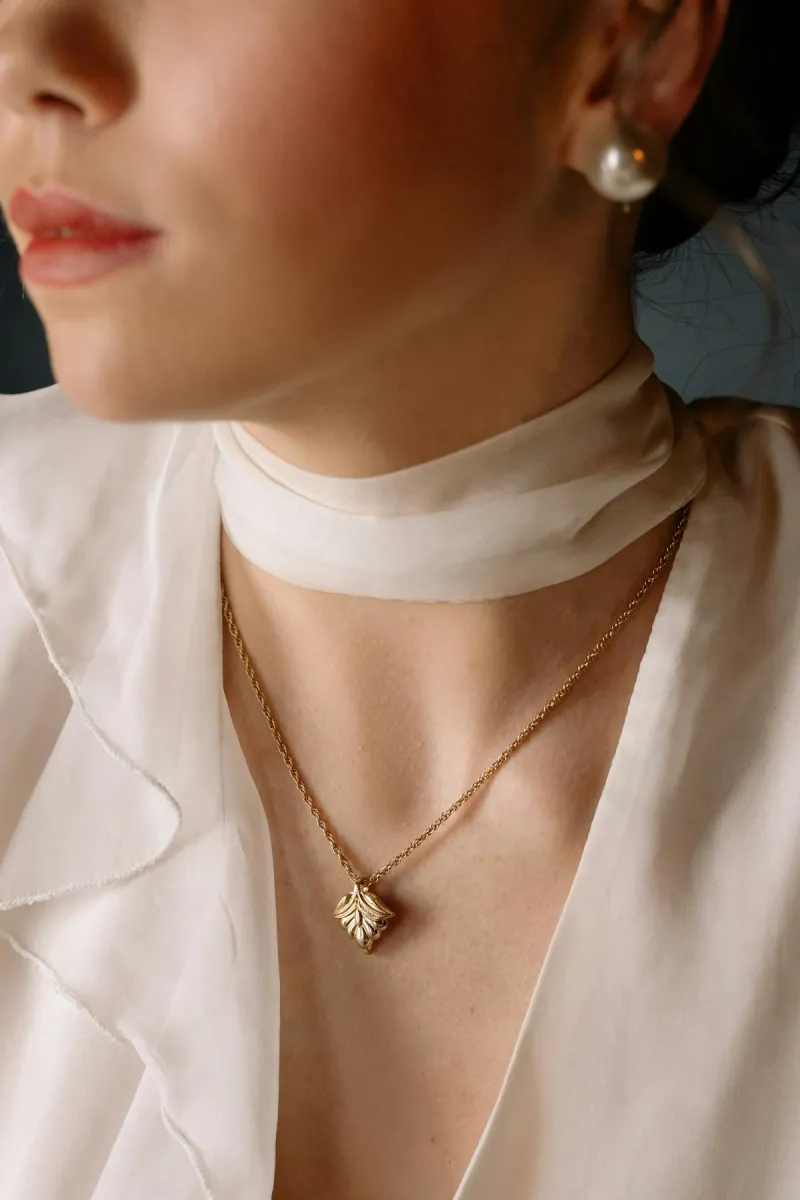
Bracelets adorn the wrist — one of the most visible parts of the body throughout the day. Every time you shake a hand, check your watch, or gesture during conversation, your bracelet catches the eye. From the refined sparkle of a tennis bracelet to the deeply personal storytelling of a charm bracelet, wrist jewellery covers an extraordinary range of styles, materials, and meanings. This guide equips you with the knowledge to choose, size, and style bracelets with confidence.
The History of Bracelets
Bracelets are among the oldest known jewellery forms. Shells and bones fashioned into wrist ornaments have been found at archaeological sites dating back 40,000 years. Ancient Egyptians wore wide gold cuffs as symbols of divine protection, while Roman soldiers donned leather wrist guards decorated with metal studs. In India, bangles have held deep cultural and marital significance for thousands of years. Today, bracelets are worn worldwide by all genders, serving purposes that range from pure fashion to spiritual devotion.
Major Bracelet Types
Tennis Bracelets
Tennis bracelets feature a continuous line of individually set diamonds or gemstones in a flexible chain. Named after tennis champion Chris Evert, who famously lost her diamond bracelet during a match, they are prized for their elegance and uniform sparkle.
Charm Bracelets
Charm bracelets carry small decorative pendants (charms) that represent memories, milestones, or interests. They are deeply personal and can be built over a lifetime.
Bangle Bracelets
Bangle bracelets are rigid circular or oval bands that slide over the hand. They can be thin and delicate or wide and bold, worn solo or stacked in multiples.
Cuff Bracelets
Cuff bracelets are open-ended rigid bands that slide onto the wrist from the side. They are often wider than bangles and may be plain, engraved, or set with stones. Cuffs make strong standalone statements.
Chain Bracelets
Chain bracelets consist of linked metal elements — cable, curb, figaro, or rope chains — secured with a clasp. They range from delicate and minimalist to bold and chunky.
Beaded Bracelets
Strung from gemstone, wood, glass, or metal beads, beaded bracelets offer a casual, bohemian aesthetic. Semi-precious stone beads add colour and are often associated with wellness and mindfulness.
Link Bracelets
Link bracelets feature larger, individually articulated metal links that create a bold, structured look. They may be plain gold or silver or set with gemstones.
Bracelet Sizing
Proper sizing ensures comfort and prevents loss. Here is how to find your ideal bracelet size:
- Step 1: Measure your wrist circumference with a soft tape measure, just above the wrist bone.
- Step 2: Add the appropriate amount for your preferred fit:
| Fit Style | Amount to Add | Description |
|---|---|---|
| Snug | +1 cm (0.5") | Sits close to the wrist with minimal movement |
| Comfort | +1.5–2 cm (0.75") | The most popular fit; moves slightly on the wrist |
| Loose | +2.5 cm (1") | Slides freely, a more casual look |
For bangles, the measurement is different: you must measure the widest part of your hand (across the knuckles) when your fingers are pressed together, as the bangle must slide over the hand.
Bracelet Closures
- Lobster Claw: The most secure clasp. A spring-loaded lever opens a small claw. Standard on most chain and tennis bracelets.
- Toggle: A decorative bar threads through a ring. Easy to fasten one-handed but slightly less secure.
- Box Clasp: A tab inserts into a box-shaped housing. Secure and discreet, often with a safety catch.
- Fold-Over Clasp: Common on watch-style bracelets. A hinged bar snaps into place.
- Magnetic: Easy to fasten but not recommended for heavy or valuable bracelets.
- Slide Lock: A spring-loaded tube mechanism that provides excellent security and a clean profile.
Metals and Materials
The metal choice affects a bracelet's appearance, weight, and durability:
- Yellow Gold: Classic warmth, available in 10K, 14K, and 18K. The benchmark for fine bracelets.
- White Gold: Bright, modern, and versatile. Requires periodic rhodium re-plating.
- Rose Gold: Romantic pink tones that complement warm and neutral skin tones.
- Platinum: Premium, hypoallergenic, and extremely durable. Heavier than gold.
- Sterling Silver: Affordable and stylish. Requires maintenance to prevent tarnish.
- Stainless Steel and Titanium: Modern, affordable, and incredibly scratch-resistant.
The Art of Stacking Bracelets
Stacking multiple bracelets on one wrist is a popular styling technique:
- Mix textures: Combine smooth bangles with a chain bracelet and a beaded strand for visual interest.
- Anchor with a statement piece: A tennis bracelet or wide cuff can serve as the focal point, surrounded by thinner accessories.
- Limit the stack: Three to five bracelets typically creates the best balance. More can look cluttered.
- Watch integration: Your watch is part of the stack. Pair it with bracelets of similar metal tone for a cohesive look.
- Mix metals intentionally: Gold and silver together is a modern, accepted practice. Just distribute them evenly.
For stacking inspiration, visit our jewellery styles section.
Caring for Bracelets
- Remove bracelets before heavy physical activity, gardening, and cleaning to prevent scratches and chemical damage.
- Clean metal bracelets with warm soapy water and a soft brush. Dry thoroughly.
- Store chain bracelets flat or in individual compartments to prevent tangling.
- Have clasps and settings inspected annually by a jeweller.
- Polish gold and silver bracelets with appropriate cloths to maintain shine.
Our jewellery care section provides material-specific instructions.
Frequently Asked Questions
Which wrist should I wear my bracelet on?
There is no strict rule. Many people wear bracelets on the non-dominant wrist to reduce wear and tear. However, stacking bracelets alongside a watch on the dominant wrist is also popular.
Can men wear bracelets?
Absolutely. Chain bracelets, leather cuffs, beaded bracelets, and even tennis bracelets are popular men's accessories. Metal tone and width tend to differ from women's styles.
How tight should a bracelet fit?
You should be able to slide one finger between the bracelet and your wrist for a comfortable fit. Tennis bracelets should sit snugly without restricting movement.
Can I wear a bracelet with a watch?
Yes. Wear them on the same wrist for a coordinated look, or on opposite wrists to balance visual weight. Choose bracelets that complement the watch's metal and style.
What bracelet type makes the best gift?
Tennis bracelets and charm bracelets are among the most popular bracelet gifts. Tennis bracelets suit formal and everyday wear, while charm bracelets offer a personalised, grow-over-time experience. Browse our gift guides for more ideas.
Conclusion
Bracelets bring life to the wrist and personality to every gesture. By understanding the major types, mastering sizing, and learning the art of stacking, you can build a bracelet collection that serves you from the office to the dance floor. Explore our detailed guides on tennis bracelets, charm bracelets, and bangles to go deeper into the styles that appeal to you most.