Cocktail Rings: The Art of Making a Bold Statement
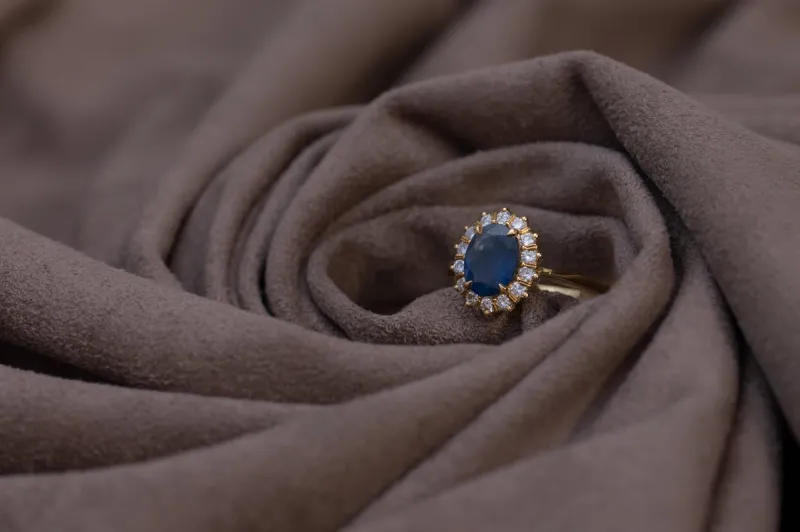
Cocktail rings are the showstoppers of the jewellery world. Characterised by oversized stones, elaborate settings, and an unapologetic sense of glamour, these rings are designed to draw attention and spark conversation. Unlike the subtle elegance of an engagement ring or the quiet symbolism of a wedding band, a cocktail ring exists purely to celebrate beauty, confidence, and personal style. This guide explores their fascinating origins, breaks down the most popular designs, and provides expert advice on choosing and styling the perfect cocktail ring.
The Origins of the Cocktail Ring
Prohibition Era Glamour
The cocktail ring earned its name during the Prohibition era in the United States (1920–1933). As underground cocktail parties became the social events of the decade, women began wearing large, flamboyant rings as symbols of rebellion and independence. These rings were bold, colourful, and impossible to ignore — much like the women who wore them. The gesture of raising a glass while wearing an extravagant ring became an iconic image of the Roaring Twenties.
Art Deco Influence
The Art Deco movement (1920s–1930s) heavily influenced cocktail ring design. Geometric patterns, bold colour combinations, and the juxtaposition of diamonds with vivid coloured gemstones defined the era. Sapphires, rubies, emeralds, and citrines were set in platinum and white gold mountings featuring sharp angles and symmetrical motifs.
Mid-Century and Beyond
Hollywood glamour of the 1940s and 1950s kept cocktail rings in the spotlight, with stars like Elizabeth Taylor famously collecting oversized gemstone rings. The 1960s and 1970s introduced organic forms and unconventional materials, while the 2000s saw a major revival driven by red-carpet culture and celebrity endorsement.
What Makes a Ring a Cocktail Ring?
While there is no strict definition, cocktail rings generally share several characteristics:
- Oversized centre stone: The focal stone is notably larger than what you would find on a typical engagement or fashion ring.
- Vivid colour: Coloured gemstones are preferred over colourless diamonds, though diamond halos frequently surround the centre stone.
- Elaborate setting: Settings tend to be ornate, featuring halos, clusters, filigree, or sculptural metalwork.
- Statement purpose: The ring is designed to be noticed and admired, not to blend quietly into an outfit.
- Right-hand wear: Cocktail rings are traditionally worn on the right hand to distinguish them from engagement and wedding rings on the left.
Popular Gemstones for Cocktail Rings
| Gemstone | Colour | Mohs Hardness | Character | Best Settings |
|---|---|---|---|---|
| Blue Sapphire | Deep blue | 9 | Royal, sophisticated | Halo, three-stone |
| Emerald | Rich green | 7.5–8 | Lush, dramatic | Bezel, emerald-cut solitaire |
| Ruby | Vivid red | 9 | Passionate, powerful | Halo, vintage cluster |
| Amethyst | Purple | 7 | Regal, affordable | Cocktail cluster, solitaire |
| Citrine | Warm yellow-orange | 7 | Sunny, cheerful | Prong, bezel |
| Aquamarine | Light blue | 7.5–8 | Serene, elegant | Emerald-cut, pavé halo |
| Morganite | Peach-pink | 7.5–8 | Romantic, soft | Rose gold halo |
For detailed information about each stone, visit our gemstone encyclopaedia.
Metal Choices for Cocktail Rings
The metal of a cocktail ring should complement the centre stone and the wearer's skin tone:
- White Gold or Platinum: Enhances the brilliance of blue sapphires, aquamarines, and diamonds. Creates a clean, modern frame.
- Yellow Gold: Adds warmth to citrine, ruby, and emerald. Evokes vintage glamour.
- Rose Gold: Pairs beautifully with morganite and pink sapphires. Offers a romantic, contemporary aesthetic.
- Two-Tone: Combining white and yellow gold in one setting adds visual complexity and uniqueness.
How to Choose the Perfect Cocktail Ring
Consider the Occasion
Cocktail rings shine at formal events, gala dinners, cocktail parties, and festive celebrations. However, more understated designs with semi-precious stones can also work for business settings or upscale casual outings. Choose a ring whose scale matches the formality of the event.
Mind Your Hand Proportions
Very large rings can overwhelm smaller hands, while petite rings may appear lost on larger hands. Try on several sizes and shapes to find the most flattering proportion. Oval and marquise stones tend to elongate shorter fingers, while round and cushion shapes suit most hand types.
Set a Budget
Cocktail rings span a huge price range. Semi-precious stones like amethyst and citrine offer dramatic impact for under a few hundred pounds, while fine rubies, emeralds, and sapphires with diamond accents can reach well into the thousands. Our buying guides can help you navigate pricing.
Styling Your Cocktail Ring
- Let it be the star: A cocktail ring is a statement piece. Keep other jewellery minimal — simple stud earrings and a thin necklace work well.
- Right hand, ring or middle finger: This is the traditional placement, keeping the left hand free for engagement and wedding rings.
- Coordinate with your outfit's palette: A blue sapphire ring lifts a navy dress; an emerald ring complements a forest green ensemble. Contrast also works — a red ruby against a black cocktail dress is a classic pairing.
- Stack with care: If you want to pair a cocktail ring with thinner bands, ensure they do not compete visually. Use the cocktail ring as the anchor piece.
For more styling ideas, visit our jewellery styles section.
Caring for Cocktail Rings
Because cocktail rings often feature large, exposed stones, they require attentive care:
- Store them individually in padded compartments or soft pouches to prevent stones from scratching each other or other jewellery.
- Clean gently with warm soapy water and a soft brush. Avoid ultrasonic cleaners for emeralds and opals, which can be damaged by vibration.
- Have prong settings inspected at least annually, as larger stones place more stress on their mountings.
- Remove your cocktail ring before gardening, cooking, or exercising.
Our jewellery care hub provides stone-specific cleaning instructions.
Frequently Asked Questions
Can I wear a cocktail ring every day?
You can, but daily wear increases the risk of scratching or loosening the stone. Choose a design with a secure bezel setting and a durable stone (hardness 7+) if you plan to wear it regularly.
Are cocktail rings only for women?
Not at all. Men's cocktail-style rings — often featuring bold cabochon stones like onyx, lapis lazuli, or tiger's eye — have a long history and are gaining renewed popularity.
How big should a cocktail ring stone be?
There is no minimum, but most cocktail rings feature centre stones of 3 carats or larger. The defining factor is visual presence rather than a specific carat weight.
Can I use a cocktail ring as an engagement ring?
Some people do, particularly if the recipient loves bold jewellery. Ensure the stone is durable enough for daily wear and the setting is secure.
What is the difference between a cocktail ring and a dress ring?
The terms are largely interchangeable. “Cocktail ring” carries a more specific historical connotation (1920s Prohibition era), while “dress ring” is a broader British term for any decorative ring worn for fashion rather than symbolism.