Engagement Rings: Buying and Style Tips
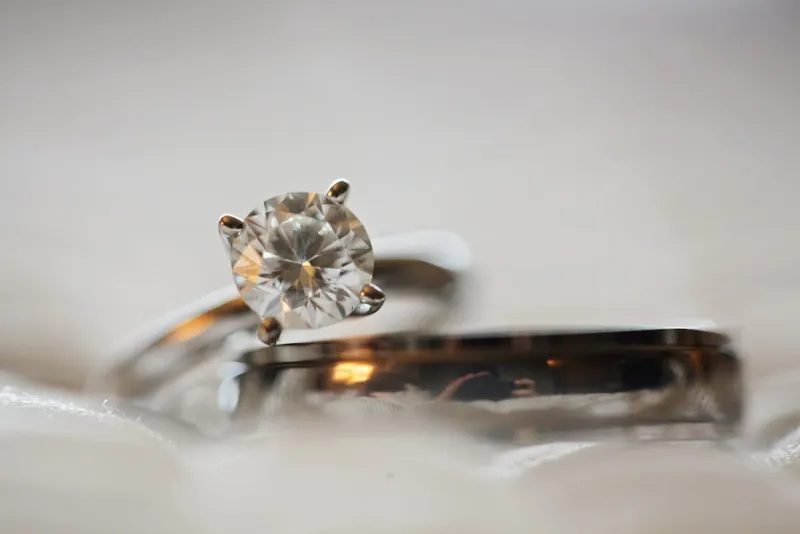
An engagement ring is one of the most meaningful purchases you will ever make. It represents a promise of lifelong partnership and is often the single most scrutinised piece of jewellery a person will own. With so many styles, stones, and settings available, the selection process can feel overwhelming. This guide demystifies every aspect of engagement ring shopping so you can choose a ring that reflects your love story and fits your budget.
The History of the Engagement Ring
The tradition of giving a ring to mark a betrothal dates to ancient Rome, where iron bands were exchanged as a sign of mutual commitment. The first recorded diamond engagement ring was given in 1477 by Archduke Maximilian of Austria to Mary of Burgundy. However, diamond engagement rings did not become mainstream until the late 1930s, when a now-famous advertising campaign cemented the diamond as the ultimate symbol of enduring love. Today, while diamonds remain the most popular choice, coloured gemstones and alternative stones are gaining significant ground.
Popular Engagement Ring Styles
Solitaire
The solitaire is the most iconic engagement ring design, featuring a single centre stone on a plain or delicately detailed band. Its simplicity allows the diamond or gemstone to take centre stage. Solitaire settings work with virtually every stone shape, from round brilliant to emerald cut, and pair beautifully with most wedding bands.
Halo
A halo setting surrounds the centre stone with a circle of smaller diamonds, creating the illusion of a larger stone and adding spectacular sparkle. Double halos and cushion-shaped halos are popular variations. This style is especially effective at enhancing stones under one carat, making it a budget-friendly way to achieve maximum visual impact.
Three-Stone
Also called a trinity ring, the three-stone design features a larger centre stone flanked by two smaller stones. The trio is said to represent a couple's past, present, and future. Stones can be matched or contrasting — for example, a diamond centre with sapphire sides.
Vintage and Art Deco
Vintage-inspired rings draw on design elements from the Edwardian, Art Nouveau, and Art Deco eras. Expect milgrain borders, filigree metalwork, geometric patterns, and old-cut diamonds. These rings appeal to those who value craftsmanship and historical character over modern minimalism.
Cluster
Cluster rings group several smaller stones together to create the appearance of one large stone or a floral pattern. They offer brilliance and visual weight at a lower cost than a single large diamond, making them an attractive option for budget-conscious shoppers.
Pavé and Micro-Pavé
In pavé settings, tiny diamonds are set closely along the band, creating a continuous surface of sparkle. Micro-pavé uses even smaller stones for a more refined effect. These styles complement nearly every centre stone and add significant fire to the overall design.
Choosing the Centre Stone
The centre stone is the focal point of any engagement ring. While diamonds dominate the market, alternative options are becoming increasingly popular.
Diamonds
Diamonds are graded on the 4Cs: cut, colour, clarity, and carat weight. Of these, cut has the greatest impact on brilliance. A well-cut diamond of modest carat weight will outshine a larger stone with a poor cut. Round brilliant remains the most popular shape, but fancy shapes such as oval, pear, marquise, and cushion offer distinctive character.
Coloured Gemstones
Sapphires (particularly blue and pink), emeralds, rubies, and morganites are the most sought-after gemstone alternatives. When choosing a coloured stone, pay attention to hardness; softer gems may scratch with daily wear. Sapphires rate 9 on the Mohs scale, making them an excellent choice for engagement rings. Visit our gemstone guide for detailed profiles.
Lab-Grown Diamonds
Lab-grown diamonds are chemically, physically, and optically identical to mined diamonds. They typically cost 30–50% less, making them appealing to couples who want a larger stone or higher quality within a set budget. They are also considered a more environmentally sustainable option.
Engagement Ring Settings Comparison
| Setting Style | Visual Impact | Stone Security | Price Range | Best For |
|---|---|---|---|---|
| Solitaire (Prong) | Clean, classic | Good | $$–$$$$ | Timeless taste |
| Halo | Maximum sparkle | Very good | $$$–$$$$ | Maximising perceived size |
| Bezel | Sleek, modern | Excellent | $$–$$$$ | Active lifestyles |
| Three-Stone | Symbolic, balanced | Good | $$$–$$$$$ | Meaningful designs |
| Cluster | Brilliant, ornate | Moderate | $–$$$ | Budget-friendly sparkle |
| Tension | Contemporary, floating | Moderate | $$$–$$$$ | Modern minimalists |
Selecting the Right Metal
The metal of the band affects the ring's appearance, durability, and price. The most popular choices include:
- Platinum: Naturally white, hypoallergenic, and exceptionally durable. It develops a distinguished patina over time and is the premium choice for engagement rings.
- White Gold: A more affordable alternative to platinum. Rhodium plating gives it a bright finish, though it requires re-plating every few years.
- Yellow Gold: The traditional choice, offering warm tones that complement diamonds and coloured gemstones alike. Available in 14K and 18K.
- Rose Gold: A copper alloy that produces a romantic blush colour. It has surged in popularity and pairs beautifully with morganite and pink sapphires.
For an in-depth comparison, see our precious metals guide.
Ring Sizing for Engagements
Getting the size right when buying a surprise engagement ring requires subtlety. Borrow one of your partner's existing rings and trace the inside diameter on paper, or press it into a bar of soap to capture the outline. You can also ask their friends or family for help. Most jewellers offer complimentary resizing within the first year of purchase, so a close estimate is usually sufficient.
Budgeting for an Engagement Ring
Forget the old “two months' salary” rule — it was invented by an advertising agency, not a financial adviser. Instead, set a budget you are genuinely comfortable with and work within it. Prioritise the 4C that matters most to your partner (many people value cut and carat over colour and clarity) and consider lab-grown diamonds or alternative gemstones if you want more stone for less money. Our buying guides include detailed budgeting strategies.
Ethical Considerations
Modern consumers increasingly care about where their engagement ring materials come from. Look for retailers that explain their sourcing policies clearly, discuss Kimberley Process compliance honestly, and provide additional origin or traceability information where available. Lab-grown stones and recycled gold or platinum may also appeal to buyers trying to reduce mining-related concerns, but broad ethical claims should still be examined carefully.
Insurance and Appraisals
An engagement ring is a significant investment that should be protected. Have the ring professionally appraised within the first month of purchase and add it to your home contents insurance or take out a specialist jewellery insurance policy. Keep all receipts, certificates, and photographs in a secure location. Re-appraise every three to five years to keep the insured value current.
Frequently Asked Questions
How much should I spend on an engagement ring?
Spend what you can comfortably afford without going into significant debt. The average spend varies widely by region and personal circumstance. Focus on choosing a ring your partner will love rather than hitting an arbitrary price target.
Which diamond shape is the most popular for engagement rings?
The round brilliant cut remains the most popular, accounting for roughly half of all engagement ring diamond sales. Oval and cushion cuts have seen the fastest growth in recent years.
Can I use a coloured gemstone instead of a diamond?
Absolutely. Sapphires, rubies, and emeralds have been used in engagement rings for centuries. Choose a stone with a hardness of 7 or above on the Mohs scale for everyday durability.
How do I keep my engagement ring clean?
Soak the ring in warm water with a few drops of mild dish soap for 20 minutes, then gently scrub with a soft toothbrush. Rinse thoroughly and pat dry. Avoid harsh chemicals and ultrasonic cleaners for delicate settings. See our jewellery care guide for more tips.
Should the engagement ring match the wedding band?
Matching is traditional but not required. Many couples choose complementary rather than identical metals or styles. Contoured wedding bands are designed to fit snugly against specific engagement ring profiles.