Earrings: The Complete Guide to Types, Closures, and Styling
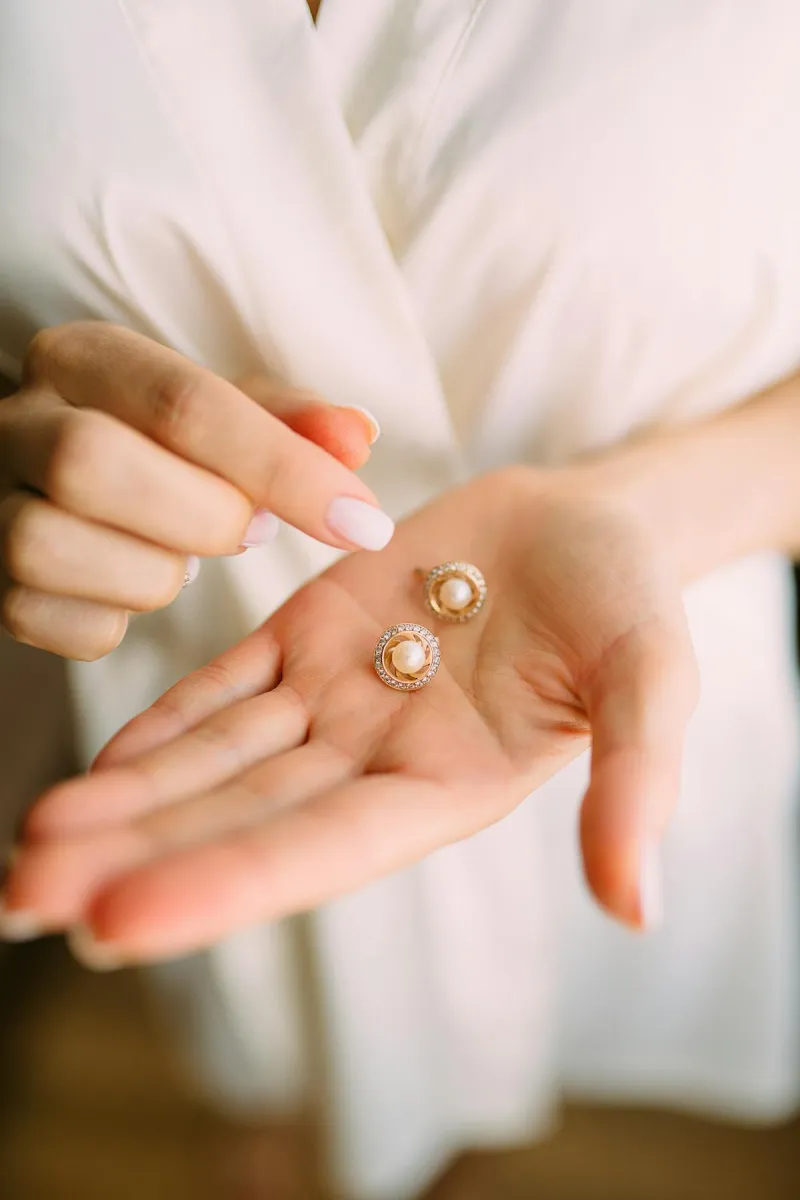
Earrings are among the most versatile and universally flattering forms of jewellery. They frame the face, complement hairstyles, and can shift the mood of an entire outfit in seconds. From understated diamond studs to dramatic drop earrings, the world of earrings offers something for every taste, occasion, and budget. This guide covers the major earring types, explains closure mechanisms, and provides practical styling advice to help you build a well-rounded earring collection.
A Brief History of Earrings
Earrings are one of the oldest forms of body adornment. Archaeological evidence shows that both men and women in ancient Sumer, Egypt, and Persia wore earrings as early as 2500 BCE. In many cultures, earrings denoted wealth, tribal affiliation, or spiritual beliefs. Gold hoop earrings were treasured by ancient Egyptians, while Roman women favoured gemstone drops. During the Renaissance, elaborate chandelier designs emerged, and by the 20th century, earrings had become a cornerstone of everyday fashion for all genders.
Major Earring Types
Stud Earrings
Stud earrings sit directly on the earlobe with no dangling element. They are the most versatile earring type, equally at home in the boardroom and at a black-tie dinner. Popular variations include diamond solitaires, pearl studs, and bezel-set gemstones.
Hoop Earrings
Hoop earrings form a circular or semi-circular shape that passes through the earlobe. They range from tiny 10 mm hoops to bold 60 mm+ statement pieces. Hoops can be plain, textured, or embellished with diamonds and gemstones.
Drop Earrings
Drop earrings hang below the earlobe, typically from a single attachment point. They add movement and elegance, making them popular for formal occasions. Designs range from a simple gemstone drop to elaborate Art Deco cascades.
Huggie Earrings
Huggie earrings are small, thick hoops that “hug” the earlobe closely. They have become a modern everyday favourite, often worn in pairs across multiple piercings. Huggies may be plain, pavé-set, or feature small charms.
Chandelier Earrings
Chandelier earrings are ornate, multi-tiered designs that cascade downward like a chandelier. They are statement pieces reserved for formal events and are typically crafted from precious metals with abundant gemstones.
Threader Earrings
Threader earrings consist of a thin chain that passes through the piercing hole, with decorative elements dangling on one or both ends. They offer a minimalist, modern aesthetic and are lightweight enough for all-day wear.
Climber (Crawler) Earrings
Ear climbers follow the curve of the outer ear, creating the illusion of multiple piercings. They are secured by a single post and backing, making them accessible to anyone with a standard lobe piercing.
Earring Closures Explained
The closure mechanism determines how securely an earring stays in place and how easy it is to put on and remove.
| Closure Type | Description | Security | Best For |
|---|---|---|---|
| Push-Back (Butterfly) | A friction-fit clutch slides onto the post | Moderate | Studs, lightweight earrings |
| Screw-Back | A threaded clutch screws onto the post | High | Valuable diamond studs |
| Lever-Back | A hinged lever snaps closed behind the lobe | High | Drop and dangle earrings |
| Latch-Back (Hinged Snap) | A hinged arm clicks into a notch | High | Hoops and huggies |
| Hook (Shepherd's Hook) | A curved wire passes through the piercing | Low–Moderate | Drop earrings, casual wear |
| Clip-On | A spring or screw mechanism clamps onto the lobe | Moderate | Non-pierced ears |
Matching Earrings to Face Shapes
Choosing earrings that complement your face shape can enhance your features:
- Round Face: Angular drops and elongated designs create a slimming effect. Avoid large round hoops, which can accentuate width.
- Oval Face: Almost any earring style works with an oval face. Experiment freely with studs, hoops, drops, and chandeliers.
- Heart-Shaped Face: Teardrop and chandelier earrings add width at the jawline, balancing a broader forehead.
- Square Face: Curved designs like hoops and rounded drops soften angular features. Avoid geometric studs that mirror the jawline.
- Long (Oblong) Face: Studs and small hoops add horizontal width. Avoid very long drops that elongate further.
Metals and Materials
Earring metals should be chosen with both aesthetics and sensitivity in mind. Because earring posts sit inside a piercing, hypoallergenic metals are especially important:
- Platinum: Hypoallergenic and durable. The safest option for sensitive ears.
- 14K–18K Gold: Generally well-tolerated. Higher karat gold contains less nickel.
- Surgical Stainless Steel: Affordable and nickel-free. Commonly used for new piercings.
- Sterling Silver: Widely available but may cause reactions in nickel-sensitive individuals unless marked nickel-free.
- Titanium: Lightweight, hypoallergenic, and corrosion-resistant.
Explore our metals guide for a full comparison.
Building an Earring Collection
A versatile earring wardrobe does not require dozens of pairs. Start with these essentials:
- Diamond or gemstone studs: The everyday workhorse. See our stud earrings guide.
- Medium gold or silver hoops: Casual elegance for weekends and the office. See our hoop earrings guide.
- Elegant drops: For formal events and special occasions.
- Huggies: Perfect for layering with studs in a curated ear look.
- Statement chandelier or cocktail earrings: One pair for gala-level events.
Earring Care and Storage
Proper care keeps earrings sparkling and prevents irritation:
- Clean earrings after each wear with a soft cloth to remove oils and residue.
- Disinfect posts periodically with rubbing alcohol, especially if you switch pairs frequently.
- Store earrings in a partitioned jewellery box or on an earring tree to prevent tangling and scratching.
- Remove earrings before swimming, showering, or applying hairspray and perfume.
For detailed instructions, visit our jewellery care section.
Frequently Asked Questions
What earrings are best for newly pierced ears?
Studs made from surgical stainless steel, titanium, or 14K+ gold are recommended during the healing period. Avoid dangles and hoops until the piercing has fully healed (typically 6–8 weeks for lobes).
How do I prevent earrings from causing allergic reactions?
Choose hypoallergenic metals such as platinum, titanium, or nickel-free gold. Apply a thin coat of clear nail varnish to non-hypoallergenic posts as a temporary barrier.
Can men wear earrings?
Absolutely. Earrings have been worn by men across cultures for millennia. Studs, small hoops, and huggies are popular choices in contemporary men's fashion.
How do I choose earrings for a gift?
Diamond or pearl studs are universally flattering and safe choices. If you know the recipient's style, consider their preferred metal colour and earring type. Our gift guides offer more suggestions.
Is it okay to sleep in earrings?
Small studs and huggies with smooth profiles can generally be slept in safely. Avoid sleeping in hoops, hooks, or drop earrings, which can catch on bedding and cause injury.
Conclusion
Earrings are one of the most accessible and impactful categories of jewellery. By understanding the different types, closures, and styling principles, you can build a collection that serves you from morning meetings to evening galas. Whether your taste runs to classic studs, trendy huggies, or show-stopping chandeliers, the perfect pair of earrings is waiting to elevate your look.