Lab-Grown Diamonds Explained: How They Are Made and What You Need to Know
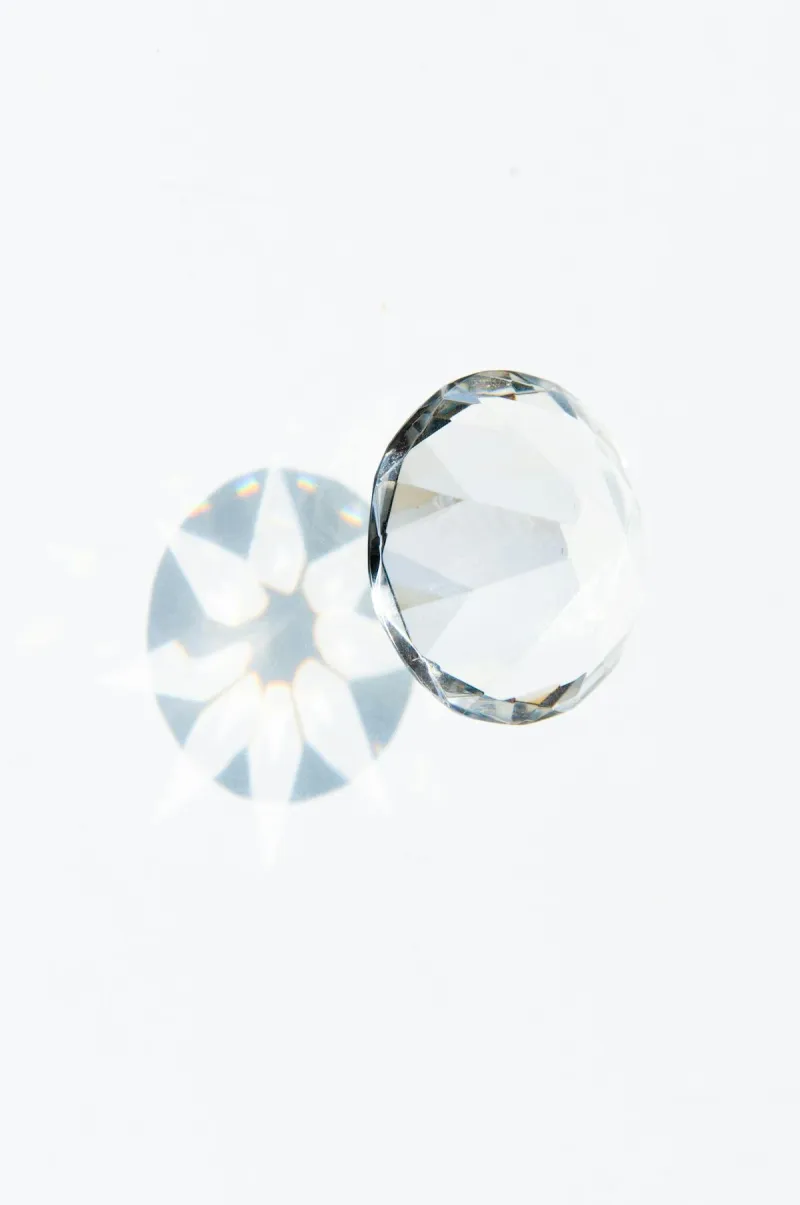
Lab-grown diamonds, also known as lab-created, synthetic, or man-made diamonds, are real diamonds produced in controlled laboratory environments rather than mined from the Earth. They share the same chemical composition (pure carbon), crystal structure (diamond cubic), and physical properties (hardness, brilliance, fire) as natural diamonds. The technology to grow gem-quality diamonds has advanced rapidly, making lab-grown stones one of the fastest-growing segments in the jewellery industry. This guide explains the science behind lab-grown diamonds, the two main production methods, and everything a buyer needs to know.
How Lab-Grown Diamonds Are Made
Two primary methods are used to create lab-grown diamonds: High Pressure High Temperature (HPHT) and Chemical Vapour Deposition (CVD). Both produce real diamonds, but they differ in process, cost, and the characteristics of the resulting stones.
High Pressure High Temperature (HPHT)
HPHT mimics the natural conditions under which diamonds form in the Earth's mantle. A small diamond seed crystal is placed in a press along with a carbon source (typically graphite) and a metallic catalyst (usually iron, nickel, or cobalt). The press generates pressures of approximately 5 to 6 gigapascals (roughly 50,000 atmospheres) and temperatures of 1,300 to 1,600 degrees Celsius.
Under these conditions, the carbon dissolves in the metallic catalyst and precipitates onto the seed crystal, gradually building a larger diamond over days to weeks. HPHT diamonds can grow in multiple directions, often resulting in cuboctahedral crystal shapes.
Chemical Vapour Deposition (CVD)
CVD grows diamonds from a carbon-rich gas, typically methane, in a vacuum chamber at much lower pressures. A thin diamond seed plate is placed in the chamber, which is filled with a hydrogen-methane gas mixture. The gas is energised using microwaves, hot filaments, or other methods, breaking the methane molecules into individual carbon atoms. These carbon atoms rain down onto the seed plate and crystallise into diamond layer by layer.
CVD operates at lower pressures (a fraction of an atmosphere) and moderate temperatures (700 to 1,200 degrees Celsius). The process typically takes two to four weeks to grow a gem-quality stone, and the resulting crystals are flat, tabular shapes that are then cut and polished.
HPHT vs. CVD Comparison
| Factor | HPHT | CVD |
|---|---|---|
| Pressure | ~5-6 GPa (very high) | Below atmospheric (low) |
| Temperature | 1,300-1,600°C | 700-1,200°C |
| Growth direction | Multi-directional | Layer by layer (single direction) |
| Typical inclusions | Metallic flux inclusions | Carbon deposits, strain lines |
| Colour tendency | Can produce yellow, then treated to colourless | Tends toward brown; post-growth treatment achieves colourless |
| Energy consumption | Higher (due to extreme pressure) | Generally lower |
| Current market share | Declining | Growing; preferred for gem-quality production |
Post-Growth Treatments
Most lab-grown diamonds undergo some form of post-growth treatment to improve their colour:
- HPHT treatment: Ironically, HPHT processing is used to treat CVD-grown diamonds, removing brown tones caused by lattice strain and producing colourless results.
- Annealing: Controlled heating can relieve internal stresses and improve colour uniformity.
- Irradiation: Can produce fancy colours like blue, green, or pink in both HPHT and CVD diamonds.
These treatments are standard industry practice and should be disclosed by the retailer. Reputable grading reports from IGI or GIA will note any detectable treatments.
Quality and Grading
Lab-grown diamonds are graded using the same 4Cs system as natural diamonds: Cut, Color, Clarity, and Carat Weight. The same quality standards apply. A lab-grown diamond with an Excellent cut, G colour, and VS1 clarity will look identical to a natural diamond with the same specifications.
The primary grading laboratory for lab-grown diamonds is IGI (International Gemological Institute), though GIA also offers lab-grown diamond reports. Lab-grown reports clearly identify the stone as laboratory-grown. Read our certification guide for more on grading labs.
How to Identify a Lab-Grown Diamond
Lab-grown and natural diamonds cannot be distinguished by the naked eye or with standard gemological instruments. Identification requires advanced laboratory equipment that detects:
- Growth patterns: Lab-grown diamonds have different growth structures visible under specialised imaging. HPHT diamonds show cuboctahedral growth zones, while CVD diamonds show layered growth patterns.
- Fluorescence patterns: Lab-grown diamonds may show different fluorescence patterns under short-wave UV light compared to natural diamonds.
- Phosphorescence: Some HPHT diamonds exhibit phosphorescence (continued glow after UV exposure), which is rare in natural diamonds.
- Metallic inclusions: HPHT diamonds may contain metallic flux inclusions that are magnetic, a feature not found in natural diamonds.
- Inscription: Most lab-grown diamonds are laser-inscribed on the girdle with their report number and a notation that the stone is lab-grown.
Market Trends and Pricing
Lab-grown diamond prices have dropped significantly over the past decade as production technology has matured and more manufacturers have entered the market. Key trends include:
- Prices have fallen 60 to 85 percent below comparable natural diamonds and continue to decline.
- Production capacity is expanding rapidly, particularly in India and China.
- Major jewellery retailers increasingly offer lab-grown options alongside natural diamonds.
- The resale market for lab-grown diamonds remains undeveloped, with most stones having minimal secondary market value.
Environmental Considerations
Lab-grown diamonds are often marketed as the more environmentally friendly option, but the picture is nuanced:
- No mining impact: Lab-grown diamonds eliminate land disturbance, water usage, and habitat disruption associated with mining.
- Energy consumption: Growing a diamond requires substantial energy. Estimates vary, but producing a one-carat CVD diamond may use 250 to 750 kWh of electricity.
- Carbon footprint: The environmental benefit depends heavily on the energy source. A diamond grown using renewable energy has a much smaller carbon footprint than one produced with coal-generated electricity.
- Some producers now offer carbon-neutral or renewable-energy-certified lab-grown diamonds.
For a broader discussion of environmental and ethical factors, see our ethical diamonds guide.
Buying Tips for Lab-Grown Diamonds
- Apply the same quality standards as natural diamonds: prioritise cut, then balance colour and clarity.
- Insist on IGI or GIA certification to verify quality claims.
- Compare prices across multiple retailers; the market is competitive and prices vary.
- Understand that lab-grown diamonds have limited resale value before purchasing.
- Ask about post-growth treatments and ensure they are disclosed on the grading report.
For a comprehensive comparison with natural stones, see our natural vs. lab diamonds guide.
Frequently Asked Questions
Are lab-grown diamonds the same as cubic zirconia?
No. Lab-grown diamonds are real diamonds made of carbon with the same properties as natural diamonds. Cubic zirconia is a completely different material (zirconium dioxide) used as a diamond simulant. See our diamond vs. CZ comparison for details.
How long does it take to grow a lab diamond?
A typical gem-quality lab-grown diamond takes two to six weeks to grow, depending on the desired size and the method used. CVD tends to be slightly faster for larger stones, while HPHT can produce smaller stones quickly.
Do lab-grown diamonds hold their value?
Currently, lab-grown diamonds have minimal resale value. Because production capacity is essentially unlimited and prices continue to fall, a lab-grown diamond purchased today will likely be available for significantly less in the future. Buy lab-grown diamonds for their beauty and affordability, not as a store of value.
Can lab-grown diamonds be insured?
Yes. Lab-grown diamonds can be appraised and insured just like natural diamonds. The appraisal will note that the stone is lab-grown, and coverage will be based on replacement cost rather than resale value.
Conclusion
Lab-grown diamonds represent a remarkable achievement in materials science, offering the same beauty, hardness, and brilliance as natural diamonds at a fraction of the cost. They are ideal for buyers who prioritise visual quality and affordability over natural origin and long-term resale value. Whether you choose HPHT or CVD, apply the same quality standards you would to any diamond: insist on an excellent cut, verify quality through reputable certification, and follow our choosing guide to find the perfect stone.