How to Clean a Diamond Ring: Restore Brilliant Sparkle
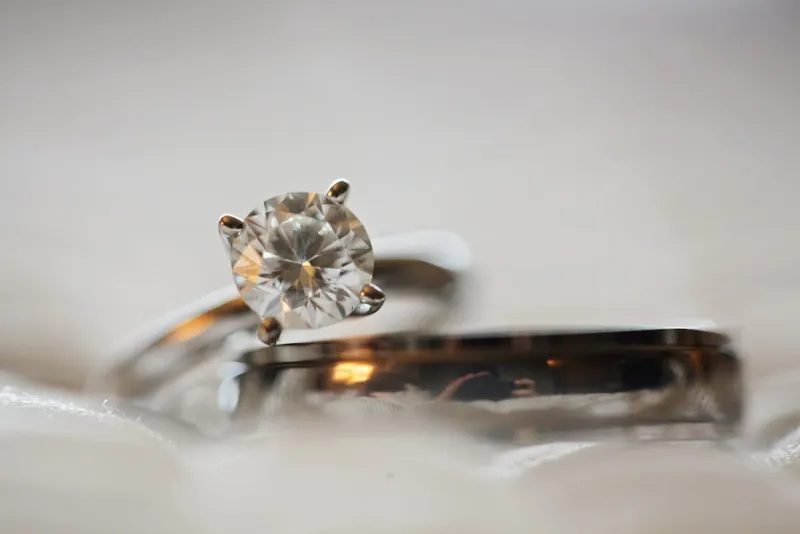
A diamond ring, especially an engagement ring, is often the most worn and most treasured piece in any jewellery collection. Worn every day through hand washing, cooking, cleaning, and countless other activities, diamond rings accumulate oils, lotions, soap residue, and general grime faster than any other piece of jewellery. This buildup coats the diamond's surface and the underside of the setting, blocking light and dramatically reducing the sparkle that makes diamonds so captivating.
The transformation from a dull, filmed diamond to one that blazes with brilliance is often astonishing – and achieving it at home takes just minutes. This guide covers the best methods for cleaning diamond rings safely, maintaining their sparkle between deep cleanings, and knowing when professional attention is needed.
Why Diamonds Lose Their Sparkle
A diamond's beauty depends on light entering through the top, bouncing off internal facets, and exiting back through the crown as brilliance, fire, and scintillation. Any film or residue on the diamond's surface or the pavilion (underside) disrupts this light path. The most common culprits include:
- Skin oils – Natural body oils are the primary enemy of diamond sparkle, coating surfaces daily
- Hand lotions and creams – Thick residues that accumulate rapidly, especially on the underside of settings
- Soap residue – Ironically, hand washing can leave soap film on diamonds
- Hair products – Running hands through styled hair transfers product to rings
- Cooking oils and food particles – Kitchen activities coat rings with grease
- Dust and dirt – General environmental debris settles into crevices
The Best Home Cleaning Method
This method is recommended by the GIA (Gemological Institute of America) and is safe for all diamond ring settings in gold, platinum, and palladium.
What You Need
- A small bowl
- Warm water (not hot)
- Mild washing-up liquid (fragrance-free preferred)
- A soft-bristled toothbrush (baby toothbrush or dedicated jewellery brush)
- A lint-free cloth or microfibre cloth
- Optional: a mesh strainer for the drain
Step-by-Step Instructions
- Step 1: Fill the bowl with warm water and add three to four drops of mild washing-up liquid. Stir gently to create a light soapy solution
- Step 2: Place the diamond ring in the solution and allow it to soak for 20 to 30 minutes. This loosens accumulated oils and residues
- Step 3: Using the soft toothbrush, gently scrub the diamond from all angles, paying particular attention to the underside of the stone where grime accumulates most heavily. Brush the prongs, the gallery (the openwork beneath the stone), and around any accent stones
- Step 4: Clean the band and any detailed metalwork, especially pavé settings where tiny diamonds trap dirt between them
- Step 5: Rinse thoroughly under warm running water, ideally using a mesh strainer to prevent accidental loss down the drain
- Step 6: Pat dry with a lint-free cloth and allow to air dry completely
The Ammonia Boost Method
For diamond rings that have not been cleaned in a long time or have heavy buildup, adding ammonia provides extra cleaning power:
- Mix one cup of warm water with one quarter cup of household ammonia
- Soak the diamond ring for 15 minutes (no longer)
- Brush gently with a soft toothbrush, focusing on the underside
- Rinse very thoroughly with clean water
- Dry with a soft cloth
Note: The ammonia method is safe for diamonds in gold and platinum settings, but should not be used on rings that also contain softer gemstones such as emeralds, opals, or pearls.
What to Avoid
Certain common cleaning suggestions can actually harm diamond rings:
| Method to Avoid | Why It Is Harmful | What to Use Instead |
|---|---|---|
| Toothpaste | Abrasive particles scratch metal and can dull gemstone surfaces | Mild washing-up liquid |
| Boiling water | Thermal shock can fracture diamonds with inclusions; damages some settings | Warm (not hot) water |
| Bleach or chlorine | Can weaken gold alloys and discolour metals | Diluted ammonia for tough grime |
| Baking soda scrub | Abrasive; can scratch polished metal surfaces | Soaking in soapy water |
| Hand sanitiser cleaning | Alcohol can dull certain finishes; leaves residue | Proper soap and water method |
| Rough cloths or paper towels | Fibres can scratch polished gold and platinum | Lint-free or microfibre cloth |
Maintaining Sparkle Between Cleanings
Daily habits make a significant difference in how often deep cleaning is needed:
- Remove when applying products – Take off your ring before applying hand cream, sunscreen, or any cosmetics
- Remove for kitchen work – Cooking oils and dough are among the worst offenders for diamond dullness
- Quick rinse routine – A 30-second rinse under warm water with a tiny bit of soap every few days prevents heavy buildup
- Avoid touching the diamond – When admiring your ring, hold it by the band rather than touching the stone, as fingers instantly transfer oils
- Keep a small brush handy – A quick dry brush over the diamond once daily can sweep away surface dust
Special Cleaning Considerations
Halo and Pavé Settings
Rings with numerous small diamonds set closely together require extra attention during cleaning. These settings trap dirt in the tiny spaces between stones. Use a soft brush with fine bristles and work methodically around each small diamond. Soaking for an extended period (up to 30 minutes) helps loosen stubborn debris from these tight spaces.
Antique and Vintage Diamond Rings
Older rings may have different setting techniques, some using glue or older soldering methods that are sensitive to heat and chemicals. Use only the mild soap and water method for antique pieces, and consider professional cleaning for valuable vintage items.
Lab-Grown Diamonds
Lab-grown diamonds have the same physical and chemical properties as natural diamonds and can be cleaned using identical methods. There is no difference in care requirements.
When to Seek Professional Cleaning
While home cleaning is effective for removing surface grime, professional cleaning offers additional benefits. Schedule professional service when:
- The ring has not been cleaned for more than six months
- Home cleaning does not fully restore brilliance
- You notice any loose prongs or stones when gently pressing
- The metal appears scratched and dull (indicating a need for polishing)
- The ring is due for its annual professional inspection
Frequently Asked Questions
How often should I clean my diamond ring?
For an engagement ring worn daily, a quick soap and water clean every one to two weeks is ideal. A more thorough cleaning monthly, and professional cleaning every six to twelve months, will keep your diamond looking its absolute best.
Can I clean my diamond ring with just water?
Plain water alone will rinse off loose surface dust but will not dissolve the oils and residues that cause most dullness. The mild soap is necessary to cut through grease and lift oils from the diamond's surface.
Is it safe to use an ultrasonic cleaner on my diamond ring?
For most diamond rings with secure settings, ultrasonic cleaning is safe and very effective. However, diamonds with significant inclusions, fracture-filled diamonds, or rings with loose stones should not be placed in an ultrasonic cleaner. See our jewellery care guide for details.
Should I remove my engagement ring when washing my hands?
Ideally, yes. Soap residue is one of the main causes of diamond dullness. If removing the ring is not practical, rinse thoroughly after washing and pat dry the ring along with your hands.
My diamond ring still looks dull after cleaning. Why?
If cleaning does not restore brilliance, the issue may be scratched metal dulling the ring's overall appearance, worn rhodium plating on white gold, or possibly a cloudy inclusion within the diamond itself. A professional jeweller can diagnose and address these issues.