Jewellery Trends 2026: Top Styles, Materials & Designs Shaping This Year
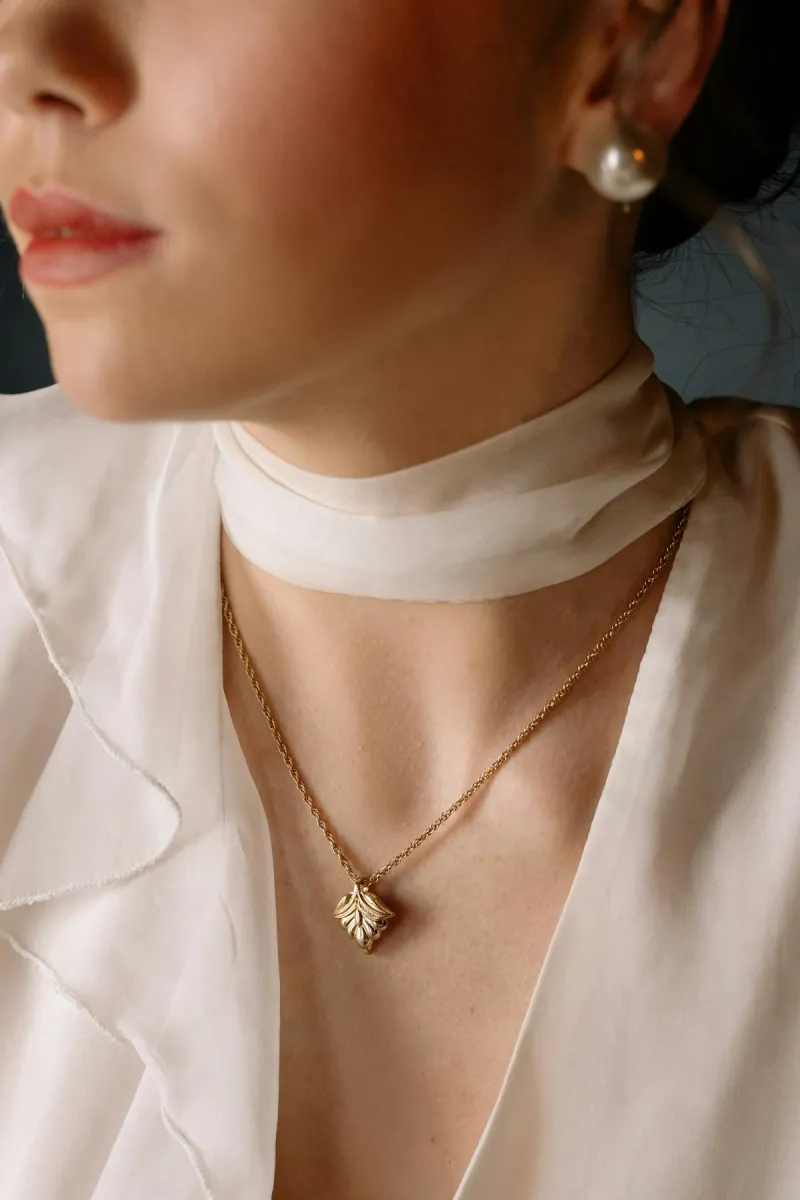
The jewellery landscape in 2026 shows a mix of recurring themes rather than one universally dominant look. Editorial coverage, designer collections, and retail styling continue to circle around bold metal shapes, personalised details, mixed materials, and revived vintage references. Trend reporting varies by market, so it is safer to treat these as directional cues rather than hard rules.
This guide summarises style directions that appear repeatedly in recent jewellery coverage and product assortments. Use it as inspiration, not as a prediction that every trend will dominate every retailer or region.
The Top Jewellery Trends for 2026
1. Sculptural Gold
Bold, three-dimensional gold pieces are receiving a lot of attention in current trend coverage. Alongside delicate minimalism, many designers are showing chunky cuffs, oversized link chains, and rings with architectural profiles. Yellow gold is especially visible in editorial styling, often paired with brushed or hammered finishes for texture.
2. Lab-Grown Gemstones Go Mainstream
Lab-grown diamonds are no longer niche in many parts of the market, and they increasingly appear alongside natural stones in mainstream retail. Lab-grown coloured gemstones also remain visible, though adoption varies more by brand and price point. Their presence is better understood as a market development than a purely aesthetic trend.
3. Personalisation and Storytelling
Jewellery that tells a personal story continues to gain momentum. Custom engravings, birthstone arrangements, coordinate pendants, and initial jewellery are evolving beyond simple monograms into more sophisticated expressions. Consumers want jewellery that is uniquely theirs, and designers are offering increasingly creative ways to achieve this.
4. Coloured Gemstone Renaissance
While diamonds remain perennial favourites, coloured gemstones continue to attract fresh attention in engagement rings, fashion pieces, and high jewellery. Editorial coverage often highlights vivid sapphires, emeralds, tourmalines, and spinels, along with tonal combinations that layer multiple shades within one palette.
5. Ear Curation
The concept of curating the entire ear with a combination of studs, hoops, climbers, and cuffs across multiple piercings continues to evolve. In 2026, the approach is more refined, with coordinated sets and deliberately asymmetric arrangements replacing the earlier "more is more" philosophy.
6. Heritage Revival
Designers are looking to historical jewellery traditions for inspiration, reinterpreting antique and vintage motifs through a contemporary lens. Victorian locket necklaces, Art Deco geometric rings, and Edwardian garland brooches are being reimagined in modern proportions and materials.
7. Sustainable and Ethical Jewellery
Sustainability has moved from a niche talking point to a more prominent buying consideration. Many consumers now pay closer attention to sourcing, manufacturing processes, and environmental claims. Recycled metals, Fairmined gold, and other traceability-focused materials are more visible than before, but they are still not universal standard offerings across the entire market.
8. Gender-Fluid Designs
The distinction between traditionally masculine and feminine jewellery continues to blur. Unisex collections, adjustable sizing, and designs that transcend gender norms are increasingly popular. Signet rings, chain bracelets, and simple pendant necklaces serve as accessible entry points for all genders.
| Trend | Key Elements | Longevity Forecast | Investment Potential |
|---|---|---|---|
| Sculptural Gold | Bold forms, textured surfaces | 2–3 years | Moderate; depends on metal weight and workmanship |
| Lab-Grown Gems | Ethical, affordable brilliance | Likely durable market category | Usually lower resale than comparable natural stones |
| Personalisation | Custom, story-driven pieces | Long-term | Sentimental over financial |
| Coloured Gemstones | Vivid stones, tonal sets | 3–5 years | Varies widely by gem quality and rarity |
| Ear Curation | Coordinated multi-piercing looks | 2–3 years | Low–moderate |
| Heritage Revival | Historical motifs, modern execution | Long-term | Moderate–high |
| Sustainability | Ethical sourcing, recycled materials | Likely to remain important | Brand-dependent |
| Gender-Fluid Design | Unisex sizing and aesthetics | Likely to remain important | Moderate |
Materials Trending in 2026
Yellow Gold Dominance
Yellow gold receives heavy editorial attention in 2026 coverage, especially when paired with bold silhouettes and coloured stones. That does not mean white gold has disappeared; it remains common, particularly in bridal and diamond-focused jewellery. Both 14k and 18k gold continue to appear across the market.
Mixed Metals
Rather than committing to a single metal, 2026 embraces intentional mixed-metal designs. Two-tone rings, multi-metal layered necklaces, and stacked rings combining gold, silver, and platinum reflect a relaxed, confident approach to styling.
Recycled and Fairmined Precious Metals
Consumer demand for responsibly sourced materials has increased the visibility of recycled gold and Fairmined certified metals. Many artisan jewellers emphasise these materials, but adoption still varies widely by brand, geography, and price tier.
How to Adopt 2026 Trends Without Overspending
Trends are exciting, but not every trend warrants a significant investment. Here is a practical approach:
- Invest in themes with broader staying power: Coloured gemstones, ethical sourcing, and personalised pieces tend to translate better over time than very specific silhouettes.
- Experiment affordably with shorter-term trends: Try ear curation with affordable sterling silver pieces before committing to gold.
- Adapt what you already own: Existing gold pieces can be worn in sculptural, layered ways without buying new items.
- Focus on versatile pieces: A well-chosen gold chain or a classic gemstone ring can be styled to align with multiple trends simultaneously.
- Consult our buying guides for value-conscious strategies that help you make trend-aware purchases without buyer's remorse.
What Is Fading in 2026
As new trends rise, some styles are receding:
- Ultra-dainty jewellery: Some coverage suggests a move toward bolder proportions, though minimalism still has a place.
- Matchy-matchy sets: Coordinated but less rigid styling appears more current than fully identical sets.
- Fast-fashion jewellery: Quality and sustainability concerns are more visible in the conversation, even if low-cost trend pieces remain common.
- Rose gold exclusivity: Rose gold still appears, but trend reporting currently gives more space to yellow gold and mixed-metal looks.
Frequently Asked Questions
What is the biggest jewellery trend in 2026?
No single jewellery trend clearly dominates all of 2026. Recent coverage points repeatedly to bolder yellow-gold silhouettes, mixed metals, personalised jewellery, and stronger interest in coloured stones.
Are lab-grown diamonds trendy or here to stay?
Lab-grown diamonds appear to be an established product category rather than a short-lived style fad. They are likely to coexist with natural stones, though pricing and positioning can still shift over time.
Should I follow jewellery trends or stick with classics?
The best approach is a combination. Build your collection around classic, timeless pieces that will serve you for decades, and use trend-aligned accessories to keep your look current. This prevents regret while maintaining freshness.
Is white gold out of fashion in 2026?
White gold is not out of fashion. Trend coverage in 2026 often gives more attention to yellow gold, but white gold remains common, especially in engagement rings and diamond-focused jewellery.
What gemstones are trending in 2026?
Recent editorial coverage often highlights coloured sapphires, emeralds, mixed-stone looks, pearls, and vintage-inspired colour palettes. Specific stones rise and fall by designer and market segment.
Conclusion
The jewellery conversation in 2026 points to a market with several active directions at once rather than one fixed aesthetic. Bold yellow gold, personalised pieces, mixed metals, coloured stones, and vintage references all remain relevant, but their importance varies by brand and shopper. Use trends as inspiration, verify material claims carefully, and prioritise pieces you would still want to wear once the current cycle moves on.