Minimalist Jewellery: Understated Elegance
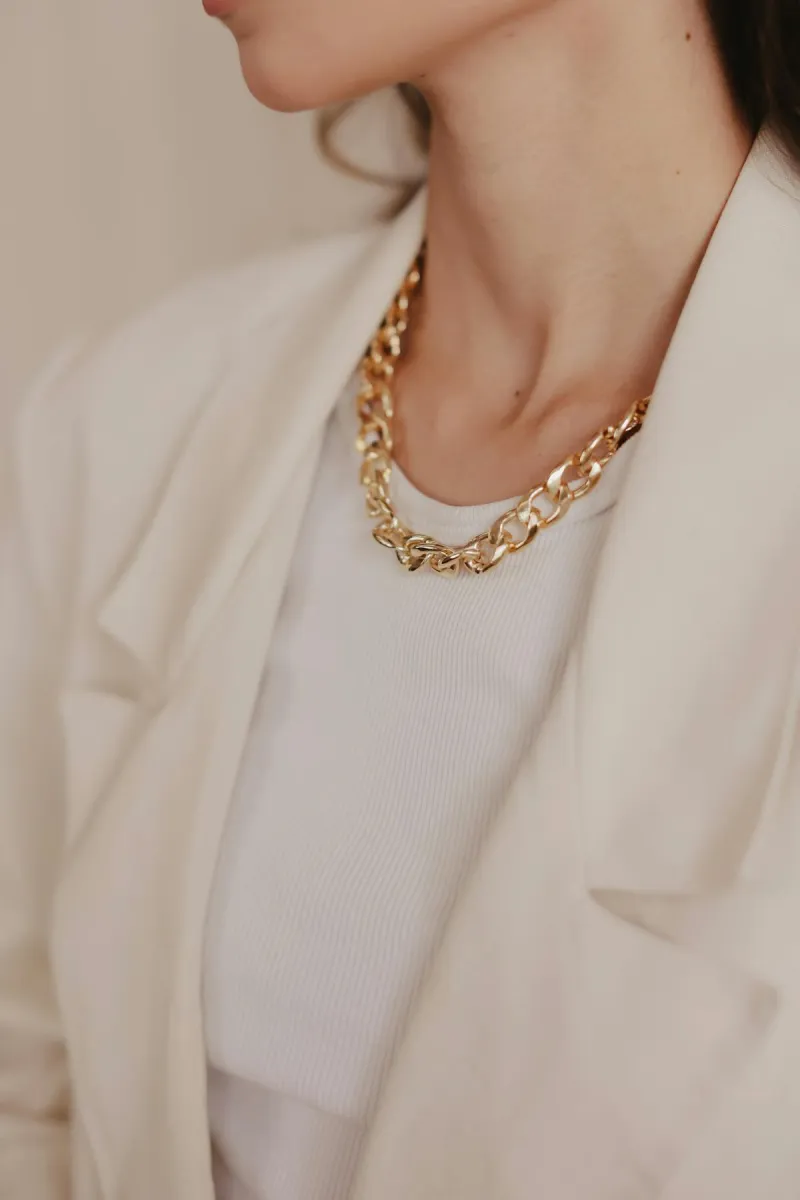
Minimalist jewellery has become one of the defining aesthetic movements of modern accessorising. Rooted in the principle that simplicity is the ultimate sophistication, minimalist pieces strip away excess ornamentation to reveal the pure beauty of form, material, and craftsmanship. From a single fine chain resting against the collarbone to a slim band of polished platinum on the finger, this style speaks with quiet confidence.
The minimalist jewellery movement gained mainstream momentum in the early 2010s and has only strengthened since. In 2026, it remains a cornerstone of contemporary style, beloved by professionals, creatives, and fashion enthusiasts who appreciate jewellery that enhances rather than overwhelms. This guide explores what defines minimalist jewellery, how to build a capsule collection, which materials to prioritise, and how to style minimalist pieces for every occasion.
What Defines Minimalist Jewellery?
Minimalist jewellery is characterised by several core design principles that distinguish it from other styles:
- Clean geometric forms: Circles, lines, triangles, and arcs feature prominently. Organic or ornate shapes are deliberately avoided.
- Restrained scale: Pieces tend to be delicate and lightweight, sitting close to the body rather than projecting outward.
- Limited colour palette: Most minimalist jewellery uses a single metal tone. When gemstones appear, they are typically small and neutral or monochromatic.
- Smooth surfaces: High polish and satin finishes dominate. Texture, if present, is subtle and intentional.
- Functional simplicity: Clasps, closures, and settings are integrated seamlessly into the design rather than treated as afterthoughts.
The beauty of minimalist jewellery lies in its versatility. A well-chosen minimalist piece transitions effortlessly from morning meetings to evening dinners, from casual weekends to formal events. This adaptability makes it exceptionally practical and cost-effective.
A Brief History of Minimalism in Jewellery
While minimalism as an art movement emerged in the 1960s, its principles have always existed in jewellery. Ancient Egyptian bangles, Roman signet rings, and Japanese metalwork all demonstrated a reverence for simplicity and proportion. The modern minimalist jewellery movement, however, owes much to Scandinavian design philosophy, which prioritises function, craftsmanship, and democratic aesthetics.
Designers such as Georg Jensen pioneered clean, sculptural jewellery in the early twentieth century. By the 1990s, brands began offering stripped-back designs that appealed to a generation tired of the maximalist excess of the 1980s. Today, minimalist jewellery is produced by everyone from luxury maisons to independent artisans, making it accessible at virtually every price point.
Essential Minimalist Jewellery Pieces
Stud Earrings
A pair of simple stud earrings is the foundation of any minimalist collection. Diamond studs in a classic four-prong setting offer timeless elegance, while small gold or platinum balls provide an even more understated option. For those who prefer a hint of colour, single gemstone studs in bezel settings are a beautiful choice.
Fine Chain Necklaces
A delicate chain necklace, whether worn alone or as a base for layering, is quintessentially minimalist. Cable chains, box chains, and snake chains in 14k or 18k gold are popular options. Lengths between 40 cm and 50 cm sit beautifully on most necklines.
Thin Band Rings
Slim band rings in polished or matte precious metals can be worn solo or stacked. Their simplicity makes them ideal for stacking combinations, and they complement engagement rings without competing for attention.
Bar and Geometric Pendants
Horizontal bar pendants, open circle pendants, and small geometric shapes suspended on fine chains epitomise minimalist design. These pieces add visual interest without complexity.
Cuff Bracelets
A slim, open cuff bracelet in gold or silver is a versatile minimalist accessory. Unlike chain bracelets, cuffs offer a sculptural quality that reads as intentional and modern.
Choosing the Right Materials
Material quality is paramount in minimalist jewellery because there is nowhere for poor craftsmanship to hide. When every detail is visible and every surface is exposed, the metal must be flawless and the finish impeccable.
| Material | Appearance | Durability | Price Point | Best For |
|---|---|---|---|---|
| Platinum | Cool silvery-white | Excellent | $$$$ | Investment pieces |
| 18k Yellow Gold | Warm rich gold | Very good | $$$ | Everyday luxury |
| 14k Gold | Warm gold | Good | $$ | Daily wear |
| Sterling Silver | Bright silver | Moderate | $ | Entry-level collection |
| Gold Vermeil | Gold over silver | Moderate | $–$$ | Budget-friendly option |
For longevity and minimal maintenance, solid gold or platinum pieces are the strongest choices. Sterling silver requires more care to prevent tarnishing but offers exceptional value. Gold vermeil provides the look of gold at a lower price, though the plating will wear over time with heavy use.
How to Style Minimalist Jewellery
For the Office
In professional settings, minimalist jewellery excels. A pair of small gold hoops, a thin pendant necklace, and a single bangle create a polished look that conveys competence without distraction. Stick to one metal tone for maximum coherence.
For Casual Outings
Weekend styling allows for slightly more experimentation. Try layering two or three fine chains at different lengths, or stack a set of thin rings on one finger. The minimalist approach ensures that even multiple pieces remain elegant and uncluttered.
For Evening Events
Minimalist jewellery can hold its own at formal occasions. Choose pieces with a touch of sparkle, such as diamond studs or a pendant set with a single gemstone. The clean lines will complement rather than compete with your outfit.
Mixing with Other Styles
One of minimalism's greatest strengths is its compatibility with other jewellery styles. A minimalist chain can ground a vintage pendant, while simple studs balance a bold luxury cocktail ring. This versatility makes minimalist pieces invaluable anchors in any collection.
Building a Minimalist Capsule Collection
A capsule collection is a curated set of essential pieces that work together seamlessly. For minimalist jewellery, we recommend starting with these five items:
- One pair of stud earrings in your preferred metal (diamond or plain)
- One fine chain necklace at a length that suits your most common necklines
- One thin band ring in polished gold or platinum
- One slim bangle or cuff bracelet for the wrist
- One small hoop earring pair for variety and layering potential
With these five pieces, you can create dozens of combinations suitable for virtually any occasion. As your collection grows, add pieces that complement rather than duplicate what you already own.
Quality Indicators to Look For
When shopping for minimalist jewellery, pay close attention to the following quality markers:
- Hallmarks: Genuine precious metals will carry hallmarks indicating purity (e.g., 750 for 18k gold, 925 for sterling silver).
- Finish consistency: Examine surfaces under good light. High-quality pieces will have uniform polish without pitting or tool marks.
- Clasp quality: Lobster clasps should spring firmly; push-back earring posts should grip securely.
- Weight: Solid precious metal pieces have a satisfying heft. If a gold piece feels feather-light, it may be hollow or plated.
- Chain links: Each link should be soldered closed. Open links weaken the chain and catch on fabric.
Our buying guides offer more detailed advice on evaluating jewellery quality before purchase.
Caring for Minimalist Jewellery
Minimalist pieces are often delicate by design, which means they benefit from proper care. Store fine chains individually to prevent tangling. Remove rings before washing hands to avoid soap buildup. Polish silver pieces regularly with a microfibre cloth. For detailed maintenance advice, visit our jewellery care guide.
Frequently Asked Questions
Is minimalist jewellery suitable for weddings?
Yes. Minimalist jewellery can be beautifully bridal. Many modern brides choose delicate diamond studs, a fine pendant necklace, and a slim bracelet for an elegant, understated look that photographs exceptionally well.
Can minimalist jewellery include gemstones?
Absolutely. Small, carefully set gemstones are perfectly at home in minimalist designs. The key is proportion: the stone should complement the piece rather than dominate it. Bezel settings are especially popular in minimalist gemstone jewellery.
What is the best metal for minimalist jewellery?
It depends on your budget and lifestyle. For durability and timeless appeal, 14k or 18k gold is ideal. Platinum offers superior strength. Sterling silver is excellent for building an entry-level collection.
How do I prevent fine chains from tangling?
Store each chain in its own small pouch or hang it from a jewellery stand. Thread chains through drinking straws for travel. Avoid tossing multiple chains into a single jewellery box compartment.
Is minimalist jewellery a good gift?
Minimalist jewellery makes an excellent gift because its versatility suits nearly every personal style. Simple studs, a delicate chain, or a slim bangle are universally flattering choices. See our gift guide for women for more ideas.