Stacking Rings: Styles and How to Stack
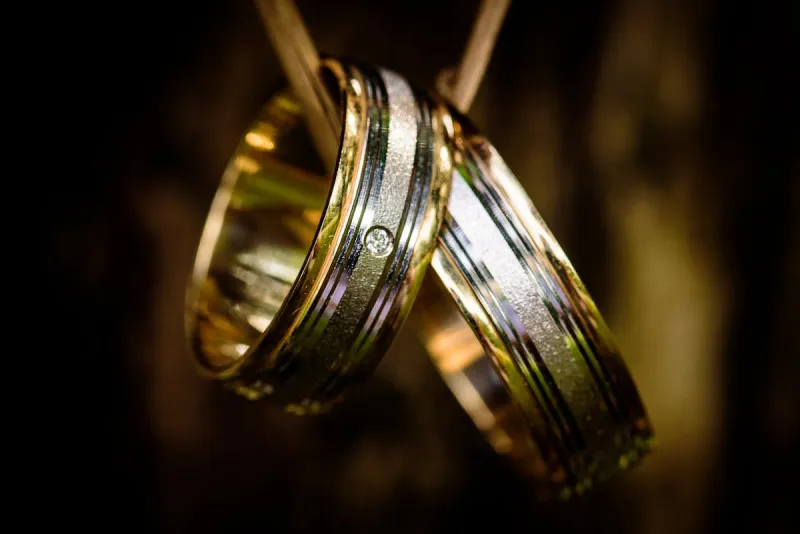
Ring stacking is the practice of wearing multiple rings on the same finger or across several fingers to create a layered, curated look. What began as a way to build upon engagement and wedding ring sets has evolved into a fully fledged styling art form, embraced by everyone from fashion insiders to everyday jewellery lovers. In 2026, ring stacking remains one of the most popular and accessible ways to personalise your jewellery wardrobe.
The beauty of ring stacking lies in its democratic nature. You do not need expensive pieces to create a stunning stack. A mix of slim gold bands, a single gemstone ring, and an engraved midi ring can produce a look every bit as compelling as a stack of diamond eternity bands. This guide covers the principles, techniques, and creative possibilities that will help you build ring stacks with confidence and flair.
Ring Stacking Fundamentals
Band Width and Proportion
The most important consideration in ring stacking is the width of each band. Varying widths creates visual rhythm and prevents the stack from looking like a solid block of metal. A classic approach is to anchor with one slightly wider band (2–3 mm) and surround it with thinner bands (1–1.5 mm). This creates a sense of hierarchy within the stack.
Comfort and Sizing
When stacking multiple rings on one finger, sizing becomes critical. Stacked rings collectively create more friction against the skin, which can make them feel tighter than when worn individually. Many jewellers recommend going up a quarter to half size for rings you intend to stack. Ensure that each ring slides on and off comfortably even with its neighbours in place.
Finger Distribution
You do not have to confine your stack to a single finger. Distributing rings across multiple fingers often looks more balanced and comfortable. A popular arrangement is a stack of three on one finger, a statement ring on the adjacent finger, and a single accent band on a third finger.
Types of Stacking Rings
| Ring Type | Description | Width | Stacking Role | Price Range |
|---|---|---|---|---|
| Plain band | Simple polished or matte metal | 1–3 mm | Foundation/spacer | $–$$ |
| Eternity band | Continuous line of gemstones | 1.5–3 mm | Sparkle layer | $$–$$$$ |
| Chevron/V-ring | V-shaped or wishbone profile | 1.5–2.5 mm | Contour enhancer | $–$$$ |
| Textured band | Hammered, twisted, or beaded | 1–2.5 mm | Texture accent | $–$$ |
| Midi ring | Worn above the knuckle | 1–2 mm | Upper finger accent | $ |
| Signet ring | Flat-faced, often engraved | 3–6 mm | Statement anchor | $$–$$$ |
Stacking Styles and Combinations
The Classic Bridal Stack
The original ring stack: an engagement ring flanked by matching or complementary wedding bands. In 2026, brides are expanding this concept with anniversary bands, birthstone rings, and chevron rings that nestle against the engagement ring's profile. The result is a deeply personal stack that grows and evolves with the relationship.
The Minimalist Stack
For those who prefer understated elegance, a minimalist stack uses two to four very thin plain bands, perhaps in alternating finishes (polished and matte) or slightly different gold tones. The effect is subtle but refined.
The Mixed-Metal Stack
Combining yellow gold, white gold, and rose gold rings in a single stack creates visual warmth and complexity. This approach works particularly well when the metals are distributed rather than grouped, creating an ombre or striped effect.
The Gemstone Stack
Building a stack around coloured gemstones allows for vibrant, personalised expressions. A popular approach is selecting stones with personal meaning, such as birthstones for family members, creating a wearable family portrait. Alternatively, choose gemstones within a single colour family for a sophisticated tonal effect.
The Eclectic Stack
This free-spirited approach combines different eras, styles, and materials. A vintage band alongside a modern geometric ring and a handmade textured band creates an eclectic, story-rich stack that reflects a creative personality.
How to Build Your Stack Over Time
One of the most appealing aspects of ring stacking is that it lends itself perfectly to gradual collection building. Here is a practical strategy:
- Start with one versatile band: Choose a well-made plain band in your preferred metal as your foundation piece.
- Add a texture or detail ring: A twisted, beaded, or hammered band introduces visual variety alongside your plain band.
- Introduce sparkle: A diamond or gemstone eternity band adds brilliance to the stack.
- Include a statement piece: A slightly wider band, a signet ring, or a bold gemstone ring provides a focal point.
- Experiment with placement: As your collection grows, try different finger arrangements and combinations to discover your favourite looks.
Mark milestones with new stack additions. Many people add a ring for birthdays, anniversaries, or achievements, creating a stack that tells their life story.
Ring Stacking Tips and Tricks
Preventing Spinning
Thin rings on slender fingers can rotate during wear, which is especially noticeable with asymmetrical designs. Ring adjusters (small silicone inserts) can help, as can choosing rings with a slightly snugger fit for stacking purposes.
Protecting Softer Metals
When stacking rings of different metals, be aware that harder metals can scratch softer ones. Platinum will scratch gold, and gold will scratch silver. Consider inserting a plain band between contrasting metals to act as a buffer, or accept that light wear marks add character to well-loved pieces.
Balancing Both Hands
If you stack heavily on one hand, consider wearing a single statement ring or a smaller stack on the other hand to create visual balance. Leaving one hand relatively bare can actually make your stack appear more intentional and curated.
Caring for Stacked Rings
Rings worn in stacks are more prone to dirt buildup between bands. Remove your stack periodically to clean each ring individually with warm soapy water and a soft brush. Check for wear on the interior surfaces where rings rub against each other. For detailed maintenance guidance, visit our jewellery care section.
Frequently Asked Questions
How many rings can I stack on one finger?
There is no fixed limit, but three to five rings per finger is typical for a balanced look. Beyond five, the stack can feel heavy and restrict finger movement. Distribute additional rings across other fingers.
Should all my stacking rings be the same size?
Not necessarily. Rings near the base of the finger may need to be slightly larger than those at the top of the stack, as the stacking itself takes up space. Try rings on in combination before purchasing.
Can I stack rings with an engagement ring?
Absolutely. Stacking around an engagement ring is one of the most popular approaches. Choose bands that complement the engagement ring's profile, metal, and stone. Chevron and curved bands are designed specifically to nestle against solitaire settings.
Is it okay to mix gold and silver rings in a stack?
Yes. Mixed-metal stacking is a prominent trend. The juxtaposition of warm and cool tones adds visual interest. Just be aware that harder metals may lightly scratch softer ones over time.
What finger is best for ring stacking?
The ring finger and middle finger are the most popular for stacking due to their central position and comfortable width. However, index fingers and even pinkies can support beautiful stacks. Experiment to find what feels most natural for you.