Antique Jewellery: A Collector's Guide to Georgian, Victorian & Edwardian Pieces
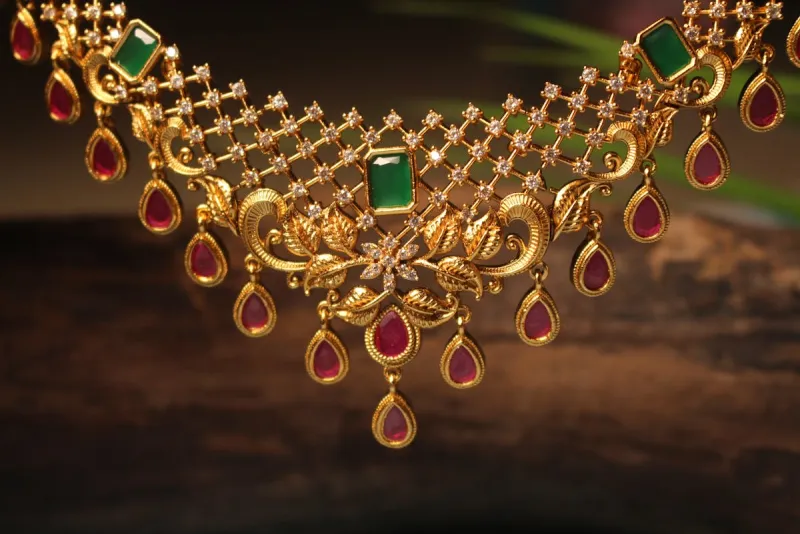
Antique jewellery, defined as pieces over 100 years old, represents some of the most extraordinary examples of human artistry and craftsmanship ever created. Each era in antique jewellery brought its own design language, technical innovations, and cultural influences, producing works that remain as captivating today as when they were first crafted. From the hand-forged elegance of Georgian goldwork to the lace-like platinum filigree of the Edwardian period, antique jewellery tells the story of centuries of creative evolution.
Collecting antique jewellery is a pursuit that blends aesthetic appreciation with historical scholarship. Unlike vintage jewellery, which spans the more recent twentieth century, antique pieces require specialised knowledge to identify, authenticate, and value. This guide provides the foundation you need to begin or deepen your engagement with these remarkable treasures.
The Major Antique Jewellery Eras
Georgian Era (1714–1837)
Georgian jewellery is among the rarest and most prized. Every piece was handmade, as machine production had not yet been developed. Metalwork was typically executed in high-karat gold (18k to 22k) or silver, with stones set in closed-back settings that used foil backing to enhance brilliance. Rose-cut and table-cut diamonds were prevalent, along with garnets, topazes, and paste stones.
Design motifs drew from nature (flowers, insects, serpents), classical antiquity (cameos, intaglios), and sentimental themes (hearts, lover's knots). Mourning jewellery, incorporating hair and black enamel, emerged during this period as a deeply personal form of memorial.
Victorian Era (1837–1901)
Queen Victoria's long reign encompassed three distinct jewellery sub-periods:
- Early Victorian / Romantic (1837–1860): Sentimental designs featuring hearts, flowers, and serpent motifs. Gold was dominant, often richly coloured. Acrostic jewellery used the first letter of each gemstone to spell words.
- Mid-Victorian / Grand (1860–1885): After Prince Albert's death, mourning jewellery became fashionable. Dark materials such as jet, onyx, and black enamel dominated. Archaeological revival pieces drew inspiration from Etruscan and Egyptian designs.
- Late Victorian / Aesthetic (1885–1901): Lighter, more playful designs returned. Star and crescent motifs, opals, moonstones, and diamonds in silver settings became popular. The Arts and Crafts movement introduced handmade jewellery with an emphasis on design over material value.
Edwardian Era (1901–1915)
The Edwardian period is often considered the most technically refined era in jewellery history. The widespread adoption of platinum allowed jewellers to create incredibly delicate, lace-like settings that were impossible in gold. Milgrain edging, knife-edge settings, and garland motifs defined the aesthetic. Diamonds and pearls were the gemstones of choice, set in designs inspired by French royal courts.
Art Nouveau (1890–1910)
Overlapping with the Late Victorian and Edwardian periods, Art Nouveau took a dramatically different approach. Inspired by natural forms, Japanese art, and symbolist literature, Art Nouveau jewellery featured flowing lines, feminine figures, and unconventional materials such as horn, enamel, and semi-precious stones. Rene Lalique was the movement's most celebrated jeweller, creating pieces that elevated craft to high art.
| Era | Period | Primary Metals | Typical Gemstones | Defining Characteristics |
|---|---|---|---|---|
| Georgian | 1714–1837 | High-karat gold, silver | Rose-cut diamonds, garnets, paste | Handmade, closed-back settings, foil |
| Victorian | 1837–1901 | Gold, silver, jet | Diamonds, opals, turquoise | Sentimental motifs, mourning jewellery |
| Edwardian | 1901–1915 | Platinum, white gold | Diamonds, pearls | Filigree, milgrain, garland style |
| Art Nouveau | 1890–1910 | Gold, silver, enamel | Opals, moonstones, enamel | Organic forms, flowing lines |
Identifying and Authenticating Antique Jewellery
Authentication of antique jewellery demands careful examination of multiple factors:
- Construction methods: Georgian and early Victorian pieces are entirely handmade. Look for slight irregularities that indicate hand craftsmanship, such as uneven prong sizes and tool marks.
- Metal composition: Georgian jewellery often uses high-karat gold alloys that differ in colour from modern alloys. Edwardian platinum pieces have a different feel and weight than modern platinum.
- Stone cutting: Old mine cuts, rose cuts, and table cuts predate the modern round brilliant. These vintage cuts have different proportions and light performance.
- Hallmarks: British hallmarks follow a systematic pattern that can date a piece precisely. Continental and American marks follow different conventions.
- Patina and wear: Genuine antique pieces develop distinctive patina and wear patterns that are difficult to fake convincingly.
Collecting Antique Jewellery
Starting a Collection
Begin by focusing on one era or one type of piece. Specialisation allows you to develop deep expertise quickly. Many collectors start with Victorian brooches or Edwardian rings, as these categories offer good availability and a range of price points.
Valuation Factors
The value of antique jewellery depends on rarity, condition, provenance, craftsmanship quality, materials, and market demand. Signed pieces by known makers command substantial premiums. Pieces with documented ownership histories or exhibition records are especially desirable.
Working with Dealers
Build relationships with reputable antique jewellery dealers who provide detailed descriptions, condition reports, and reasonable return policies. A knowledgeable dealer is an invaluable resource for authentication and market guidance. Refer to our buying guides for tips on finding trustworthy sellers.
Caring for Antique Jewellery
Antique pieces are irreplaceable, and their care requires extra consideration:
- Never use ultrasonic or steam cleaners on antique jewellery. These can damage delicate settings, loosen stones, and destroy enamel.
- Clean only with a soft brush and lukewarm water with mild soap.
- Store pieces individually, wrapped in acid-free tissue, to prevent scratching and chemical reactions.
- Have antique jewellery inspected annually by a conservator or specialist jeweller.
- Avoid wearing fragile antique pieces daily. Reserve them for special occasions to preserve their condition.
Our jewellery care section provides detailed maintenance protocols for different metals and gemstones.
Antique vs Vintage vs Antique-Style
Understanding these distinctions is essential for informed purchasing:
- Antique: Genuinely over 100 years old. Authenticated through construction, marks, and provenance.
- Vintage: Between 20 and 100 years old. See our vintage jewellery guide for details.
- Antique-style or reproduction: Modern pieces made to resemble antique designs. These can be beautiful and well-crafted but should be priced accordingly and never misrepresented as genuine antiques.
Frequently Asked Questions
How old does jewellery need to be to qualify as antique?
The widely accepted standard is 100 years old. Pieces dating from before 1926 are generally classified as antique jewellery in current markets.
Is antique jewellery safe to wear?
Most antique jewellery is safe to wear, but fragile pieces may need professional reinforcement first. Have a specialist jeweller assess any antique piece before wearing it regularly.
How do I get antique jewellery appraised?
Seek an appraiser who specialises in period jewellery and holds credentials from a recognised professional organisation. General jewellery appraisers may not have the expertise to accurately value antique pieces.
Are diamonds in antique jewellery less sparkly than modern ones?
Antique diamond cuts such as old mine and rose cuts have different optical properties than modern brilliant cuts. They produce broader flashes of light and a warmer, more romantic sparkle rather than the intense fire of modern cuts. Many collectors prefer this distinctive character.
Can I insure antique jewellery?
Yes. Specialised jewellery insurance policies cover antique pieces, but you will need a professional appraisal documenting the piece's age, condition, provenance, and replacement value. Update appraisals every three to five years.
Conclusion
Antique jewellery is far more than adornment. It is a tangible link to human history, artistic achievement, and cultural identity. Each piece carries the marks of its maker, the aesthetic values of its era, and the stories of those who wore it. Whether you are drawn to the handcrafted intimacy of Georgian goldwork, the sentimental symbolism of Victorian design, or the airy elegance of Edwardian platinum, antique jewellery rewards study, patience, and a discerning eye with treasures that only grow more precious with time.