Where to Buy Diamonds Online
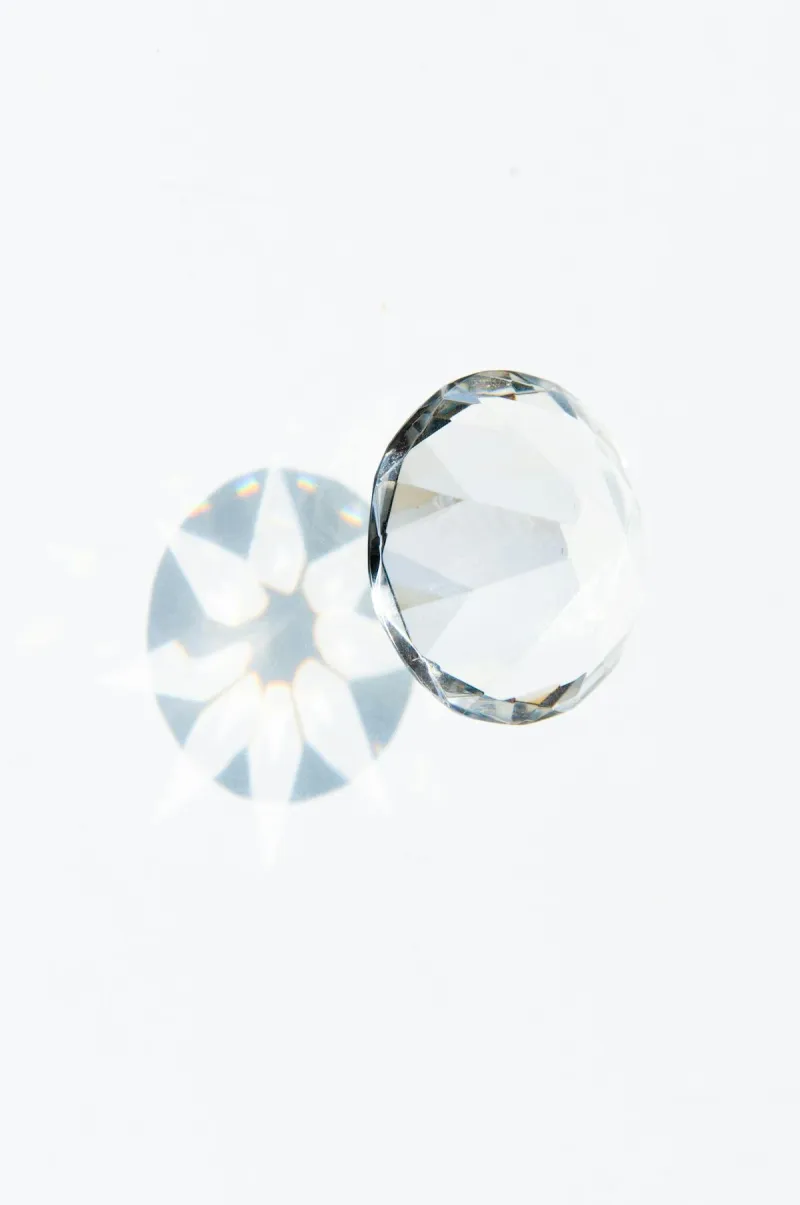
The diamond industry has been fundamentally transformed by the rise of online retail. What was once a purchase made exclusively in hushed, velvet-lined showrooms can now be completed from your sofa, often with better selection, greater transparency, and significantly lower prices. Today, some of the world's most reputable diamond dealers operate primarily or entirely online, giving consumers unprecedented access to high-quality certified stones.
However, buying a diamond online is not without its challenges. The inability to physically inspect a stone, the sheer number of retailers competing for your attention, and the risk of misrepresentation all demand that buyers approach the process with knowledge and care. This guide walks you through everything you need to know to buy a diamond online with confidence.
Advantages of Buying Diamonds Online
There are compelling reasons why an increasing number of consumers choose to purchase diamonds through online channels rather than visiting a traditional jeweller:
- Lower overhead, lower prices – Online retailers do not bear the costs of prime high-street locations, large sales teams, or elaborate showrooms. These savings are passed directly to the consumer, with online diamond prices typically 20–40% lower than equivalent stones in physical shops
- Massive inventory – A single online retailer may list tens of thousands of certified diamonds, far exceeding what any physical store could display. This breadth of choice means you are more likely to find exactly the stone you want at your budget
- 360-degree video and HD imagery – Leading online diamond sellers now offer interactive viewing tools that let you examine a stone from every angle, often in greater detail than you could achieve with the naked eye in a shop
- Easy comparison – Online platforms allow you to compare multiple diamonds side by side on specifications, pricing, and visual appearance, making it simple to identify the best value
- No sales pressure – You can take your time researching, comparing, and deciding without a salesperson guiding you towards a particular stone or setting
- Access to expert education – Reputable online diamond retailers invest heavily in educational resources, helping you understand the four Cs and make an informed decision
Risks and How to Mitigate Them
While the advantages are substantial, it is important to acknowledge the risks inherent in buying a diamond sight unseen and take steps to minimise them:
- Inability to see the stone in person – Mitigate this by choosing retailers that offer high-resolution 360-degree videos and detailed photographs under multiple lighting conditions. A GIA or AGS certificate provides an objective assessment independent of imagery
- Misrepresentation – Stick to retailers who provide independent laboratory certificates for every diamond. Never rely solely on a seller's own grading
- Scam retailers – Research any retailer thoroughly before purchasing. Look for verified customer reviews on independent platforms, check business registration details, and confirm membership in recognised trade organisations
- Shipping risks – Ensure the retailer offers fully insured shipping with tracking. High-value diamonds should be dispatched via specialist couriers with signature-on-delivery requirements
- Return difficulties – Always confirm the return policy before purchasing. A reputable online diamond retailer will offer a minimum 30-day return window with a full refund
What to Look for in an Online Diamond Retailer
Not all online diamond sellers are equal. The following criteria will help you distinguish trustworthy retailers from those best avoided.
GIA or AGS Certified Stones
The most reliable online diamond retailers sell stones accompanied by grading reports from the Gemological Institute of America (GIA) or the American Gem Society (AGS). These are the two most respected and consistent diamond grading laboratories in the world. A diamond certificate from either lab provides an objective, unbiased assessment of the stone's cut, colour, clarity, and carat weight. Be cautious of retailers who rely exclusively on lesser-known or in-house grading, as standards can vary significantly.
High-Resolution Imagery and 360-Degree Video
Since you cannot hold the diamond in your hand, the quality of visual tools is paramount. The best online retailers provide 360-degree video of every listed stone, captured under standardised lighting. This allows you to assess brilliance, fire, and any visible inclusions far more accurately than static photographs alone. Some platforms also offer magnification tools that let you zoom in to 20x or 40x magnification.
Generous Return Policies
A confident retailer backs their product with a generous return policy. Look for a minimum 30-day return window, though many leading online diamond sellers offer 60 or even 100 days. The policy should provide a full refund (not merely store credit), free return shipping, and no restocking fees. If a retailer's return policy is restrictive or vague, treat this as a significant warning sign.
Transparent Pricing
Reputable online diamond retailers display clear, all-inclusive pricing. You should be able to see exactly what you are paying for the stone, the setting (if applicable), and any additional services such as engraving or resizing. Hidden fees, unclear pricing structures, or prices that seem too good to be true are all red flags.
Customer Reviews and Reputation
Look for retailers with substantial review histories on independent platforms. A company with thousands of verified reviews and a consistently high rating has earned consumer trust over time. Pay attention to how the retailer responds to negative reviews – a professional, solution-oriented response says a great deal about their customer service ethos.
Types of Online Diamond Retailers
The online diamond market comprises several distinct types of retailer, each with its own strengths and limitations.
Dedicated Diamond Retailers
These are specialist companies whose primary business is selling diamonds and diamond jewellery online. They typically maintain vast inventories of certified stones, offer sophisticated search and comparison tools, and employ trained gemologists to assist customers. Their focus and expertise make them the preferred choice for most diamond purchases.
Marketplace Platforms
Online marketplaces host multiple independent sellers on a single platform. While this can provide competitive pricing through seller competition, the quality and reliability of individual sellers varies considerably. Marketplace purchases require more due diligence on the buyer's part, and dispute resolution can be more complex.
Auction Sites
Online auction platforms occasionally feature diamonds, sometimes at attractive prices. However, authentication and quality verification are the buyer's responsibility, returns may be limited or unavailable, and the risk of misrepresentation is higher. Auction sites are best suited to experienced buyers who can assess stones independently.
Direct-to-Consumer Brands
A growing number of brands sell diamonds directly to consumers, cutting out intermediaries entirely. These companies often emphasise ethical sourcing, laboratory-grown diamonds, or unique designs. Pricing can be very competitive, though the selection may be more curated than a large dedicated retailer.
Comparison of Retailer Types
| Retailer Type | Pros | Cons | Best For |
|---|---|---|---|
| Dedicated diamond retailers | Vast certified inventory, expert support, strong return policies, advanced viewing tools | Prices may be slightly higher than direct-to-consumer brands | Most buyers, especially first-time purchasers |
| Marketplace platforms | Competitive pricing, wide selection from multiple sellers | Variable seller quality, less consistent customer service, more due diligence required | Experienced buyers comfortable with independent research |
| Auction sites | Potential for below-market prices, access to unique or vintage stones | Higher risk of misrepresentation, limited returns, authentication challenges | Knowledgeable collectors and bargain hunters |
| Direct-to-consumer brands | Competitive pricing, ethical focus, modern shopping experience | Smaller selection, limited customisation options | Buyers prioritising value or sustainability |
Tips for Buying Diamonds Online Safely
Follow these practical guidelines to protect yourself and ensure a positive buying experience:
- Prioritise independent grading documentation – For any significant diamond purchase, look for a report from a respected laboratory such as GIA and review it carefully. A grading report helps you compare stones more objectively, but it is not a beauty guarantee. Learn more in our jewellery certification guide
- Use retailers with strong return policies – A minimum 30-day, no-questions-asked return policy with a full refund is essential. This gives you the opportunity to inspect the diamond in person and have it independently appraised if you wish
- Compare prices across platforms – Diamond pricing can vary significantly between retailers for comparable stones. Take the time to compare prices on at least three reputable platforms before committing. Our diamond pricing guide can help you understand fair market values
- Check for independent reviews – Look beyond the retailer's own website for reviews. Independent consumer platforms, forums, and social media provide unfiltered feedback from real customers
- Verify the diamond matches the report – When your diamond arrives, confirm that any inscription or identifying details match the accompanying grading report. Not every stone is inscribed, so check the report itself rather than assuming inscription is present
- Insure the shipment – Ensure the diamond is fully insured during transit. Most reputable retailers include shipping insurance as standard, but confirm the coverage amount and process for filing a claim
Online vs In-Store: When Each Makes Sense
While this guide focuses on buying diamonds online, it is worth acknowledging that in-store purchases still have their place. Understanding when each approach is most appropriate will help you make the right choice for your circumstances.
Buying online makes sense when:
- You want the widest possible selection and the ability to compare many stones efficiently
- Price is a significant factor and you want to maximise value for money
- You are comfortable reading grading reports and evaluating diamonds based on specifications and video
- You are purchasing a certified stone where the grading report provides sufficient assurance of quality
- There are no specialist diamond retailers in your local area
Buying in-store makes sense when:
- You want to see and handle the diamond before purchasing, particularly for fancy-coloured diamonds where subtle colour differences are difficult to assess on screen
- You value a personal relationship with a jeweller who can provide ongoing service
- You are purchasing an antique or estate diamond where condition assessment benefits from physical inspection
- You need the piece urgently and cannot wait for shipping
Many buyers today use a hybrid approach: researching and shortlisting stones online, then visiting a jeweller to view similar stones in person before making their final purchase online at a better price.
Frequently Asked Questions
Is it safe to buy a diamond online?
Yes, buying a diamond online can be safe when you purchase from a reputable retailer that provides documentation from a respected grading laboratory, offers a generous return policy, uses insured shipping, and has a strong track record of positive customer reviews.
How much cheaper are diamonds online compared to in-store?
Online diamonds are typically 20–40% less expensive than equivalent stones purchased from traditional brick-and-mortar jewellers. The savings come from lower operational overheads, including the absence of expensive retail premises and smaller sales teams. The exact saving depends on the retailer and the specific stone.
Can I return a diamond purchased online?
Most reputable online diamond retailers offer a minimum 30-day return period with a full refund. Some offer 60 or even 100 days. Always read the return policy carefully before purchasing, and confirm that it includes free return shipping and no restocking fees.
What certification should I look for when buying a diamond online?
GIA (Gemological Institute of America) and AGS (American Gem Society) are the two most respected and consistent diamond grading laboratories. A grading report from either lab provides a reliable, independent assessment of the diamond's quality. Be cautious of stones graded only by lesser-known laboratories, as grading standards can vary.
How do I verify that the diamond I receive matches what I ordered?
Check that the laser inscription number on the diamond's girdle matches the number on the grading report. You can verify this with a jeweller's loupe or by taking the stone to a local jeweller. Additionally, compare the diamond's visual appearance against the 360-degree video from the retailer's listing. For high-value purchases, consider having the stone independently appraised.