How to Choose an Engagement Ring
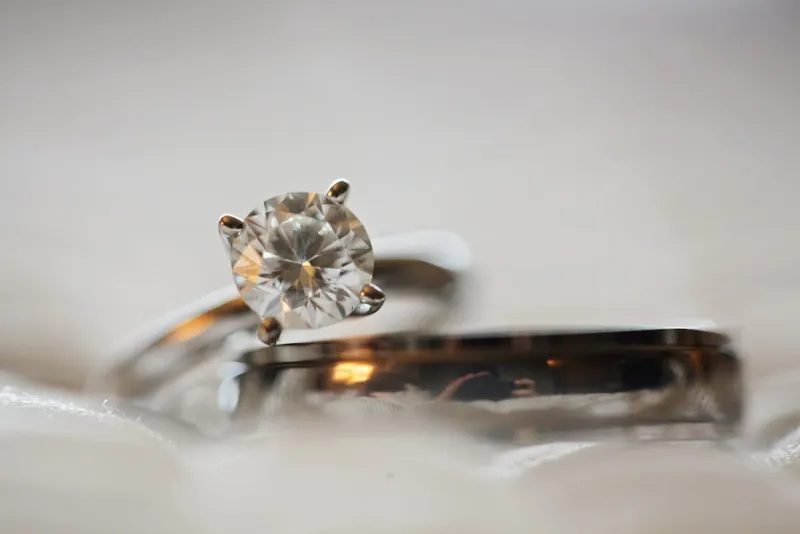
Choosing an engagement ring is one of the most significant purchases most people will ever make. It represents a lifelong commitment, and the ring itself will be worn and admired every day for decades. The pressure to get it right is understandable, but with proper knowledge and planning, finding the perfect ring becomes an exciting journey rather than a stressful ordeal.
This guide walks you through every aspect of engagement ring selection, from understanding diamond quality to choosing the right metal and setting style. Whether you are shopping together as a couple or planning a surprise proposal, these principles will help you find a ring that delights for a lifetime.
Setting Your Budget
The old rule suggesting you should spend two or three months' salary on an engagement ring is a marketing invention from the diamond industry, not sound financial advice. The right budget is one that you can afford comfortably without going into debt or compromising other financial goals.
Consider these practical budgeting principles:
- Determine what you can realistically afford without taking on debt
- Remember that the ring is the beginning of your life together, not the entirety of it
- A beautiful ring is achievable at virtually any budget with the right knowledge
- Focus on what matters most to the wearer rather than an arbitrary spending target
- If budget is tight, explore our budget engagement ring guide for strategies
Understanding Diamond Quality: The Four Cs
Most engagement rings feature diamonds, and understanding the four Cs is fundamental to making a good choice. Each factor affects the diamond's appearance and price differently.
Cut: The Most Important Factor
Cut determines how a diamond interacts with light, affecting its brilliance, fire, and scintillation. An excellently cut diamond will sparkle magnificently even if it has slight imperfections in colour or clarity. A poorly cut diamond will look dull regardless of how high it scores in other categories. Always prioritise cut quality above the other Cs.
Colour: The Sweet Spot
Diamond colour is graded from D (completely colourless) to Z (noticeably tinted). Stones in the D-F range are colourless and command premium prices. However, stones in the G-H range appear colourless to the untrained eye when mounted in a ring, offering excellent value. For yellow or rose gold settings, you can go as low as I-J without noticeable colour, as the warm metal tone masks slight tinting.
Clarity: What the Eye Cannot See
Clarity grades range from Flawless to Included. The key concept is "eye-clean" – a stone that appears flawless to the naked eye. Many VS2 and even SI1 diamonds are eye-clean, offering significant savings compared to higher clarity grades without any visible difference when worn.
Carat Weight: Size vs Quality
Carat weight measures a diamond's mass, with one carat equalling 0.2 grams. Larger diamonds are rarer and proportionally more expensive. A well-cut 0.90-carat diamond can appear as large as a poorly cut 1.00-carat stone, so carat weight should never be considered in isolation.
| Priority | Recommended Grade | Why |
|---|---|---|
| Cut | Excellent or Ideal | Maximises brilliance and sparkle |
| Colour | G-H (or I-J for warm metals) | Appears colourless in setting at good value |
| Clarity | VS2-SI1 (eye-clean) | No visible imperfections without magnification |
| Carat | Based on budget after above | Good cut makes stones appear larger |
Choosing the Ring Setting
The setting is the metalwork that holds the stone and defines the ring's overall appearance. Each style offers different aesthetic qualities and practical considerations.
Popular Setting Styles
- Solitaire – A single stone in a simple setting. Timeless, elegant, and allows the diamond to take centre stage. The most classic and popular choice
- Halo – A central stone surrounded by smaller diamonds. Creates the illusion of a larger centre stone and adds extra sparkle
- Three-stone – A centre stone flanked by two smaller stones. Symbolically represents past, present, and future
- Pavé – Small diamonds set closely together along the band. Adds brilliance and a luxurious feel to the entire ring
- Bezel – The stone is encircled by a thin metal rim. Very secure and modern-looking, ideal for active lifestyles
- Cathedral – Arched metalwork supports the stone, raising it above the band. Elegant and protective
- Vintage – Features intricate details like milgrain, filigree, or hand engraving. Perfect for those who love period styles
Selecting the Metal
The metal choice affects durability, appearance, maintenance requirements, and price. The most popular options for engagement rings include:
- Platinum – The most durable and prestigious option. Naturally white, hypoallergenic, and does not require replating. Premium price
- 18ct white gold – Beautiful white colour at a lower price than platinum. Requires periodic rhodium replating to maintain its finish
- 18ct yellow gold – Classic and warm. Pairs beautifully with lower colour-grade diamonds. No replating needed
- 18ct rose gold – Romantic pinkish hue created by copper in the alloy. Increasingly popular for modern and vintage-inspired designs
- Palladium – Similar appearance to platinum at a lower cost. Lightweight and durable
Determining Ring Size
Getting the right size is crucial, especially for surprise proposals. Strategies include:
- Borrowing a ring your partner currently wears on the correct finger and having it measured by a jeweller
- Asking friends or family members who may know the size
- Choosing a slightly larger size (easier to resize down than up)
- Many jewellers offer one free resize within the first year
Alternative Centre Stones
While diamonds remain the most popular choice, many couples are embracing alternative gemstones for their engagement rings:
- Sapphire – Excellent hardness (9 on the Mohs scale), stunning blue and other colours, royal associations
- Ruby – Symbolises passion and love, also a 9 on the Mohs scale
- Emerald – Rich green colour, though softer (7.5-8) and requires more careful wear
- Moissanite – Exceptional brilliance, nearly as hard as diamond, significantly more affordable
- Lab-grown diamond – Chemically identical to natural diamonds and often substantially less expensive, though the exact price gap varies by retailer and market conditions
Certification and Insurance
Always insist on a grading report from a reputable laboratory for any significant diamond purchase. GIA remains the most common benchmark for natural diamonds. Once purchased, review your insurance options promptly, because standard home-insurance coverage limits may be too low for engagement rings.
Frequently Asked Questions
How far in advance should I buy an engagement ring?
Allow at least six to eight weeks before the proposal, longer if you want a custom or bespoke design. This gives time for sizing, setting, and any adjustments. Rush orders are possible but may limit your options.
Should I choose the ring alone or with my partner?
There is no right answer. Some couples prefer to choose together to ensure the ring matches the wearer's preferences. Others prefer the traditional surprise. Many couples find a middle ground: discussing preferences in advance while keeping the specific ring a surprise.
Is a bigger diamond always better?
Not necessarily. A smaller, well-cut diamond with good colour and clarity will be more beautiful than a larger, poorly cut stone with visible inclusions. Quality should always take priority over size.
Can engagement rings be resized?
Most engagement rings can be resized up or down by one to two sizes. However, some designs with stones set around the entire band (eternity style) are difficult or impossible to resize. Discuss resizing options with your jeweller before purchasing.
How do I care for an engagement ring?
Regular cleaning keeps your ring sparkling. Learn proper techniques in our guide on how to clean a diamond ring. Remove the ring during heavy manual work, apply hand cream before putting it on, and have it professionally inspected annually.