Jewellery Certification Explained: Everything You Need to Know
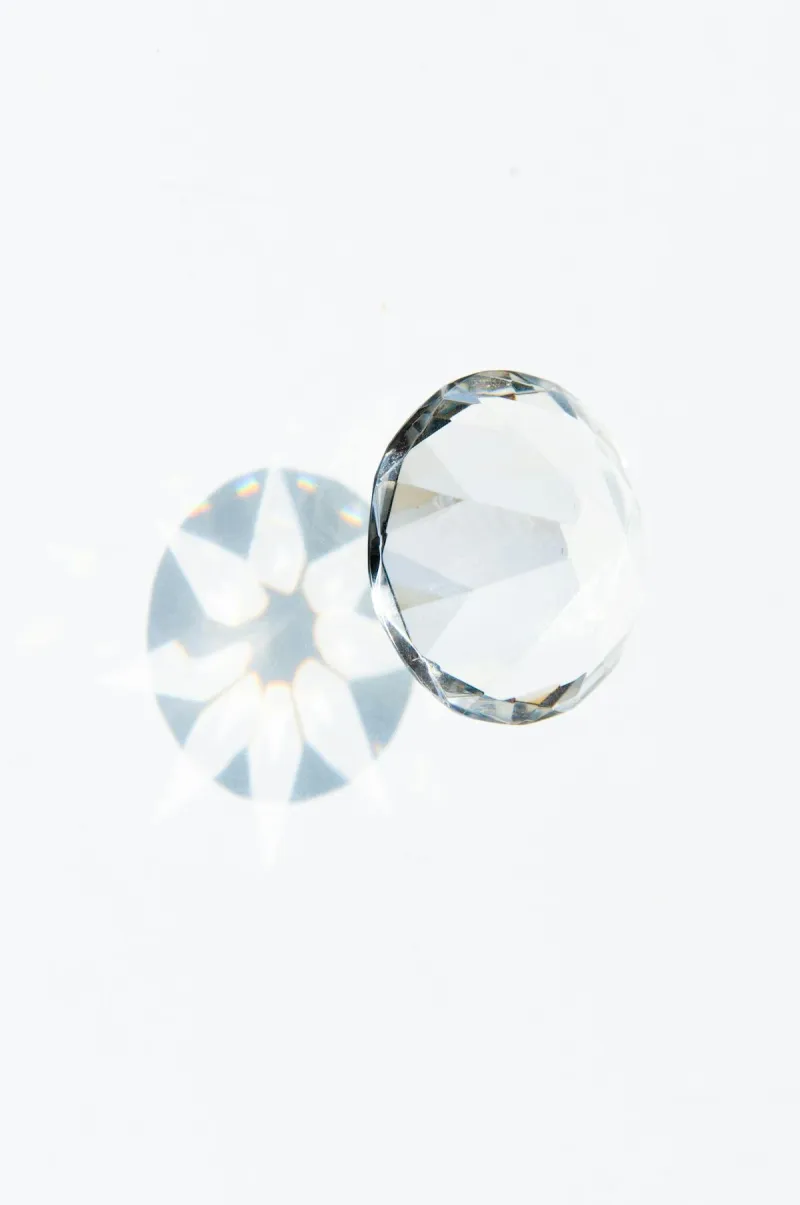
Jewellery certification is the process by which independent laboratories evaluate and document the quality characteristics of gemstones and precious metals. These documents are more accurately called grading reports or laboratory reports rather than guarantees. They provide an independent assessment that helps buyers make more informed decisions and better evaluate seller claims. For many significant jewellery purchases, independent documentation is worth prioritising.
Understanding certification empowers you to compare pieces objectively, negotiate fair prices, and protect your investment. This guide covers the major grading laboratories, what their reports contain, and how to interpret the information they provide.
Why Certification Matters
Without independent certification, you are relying entirely on the seller's representation of quality. While many jewellers are honest and knowledgeable, subjective assessments can vary significantly from one professional to another. Certification matters because it provides:
- Objective quality assessment – Trained gemologists using standardised criteria and controlled conditions evaluate each stone
- Price comparison – A grading report makes it easier to compare the quoted price against similar stones with similar reported characteristics
- Insurance documentation – Insurers require detailed descriptions to provide accurate coverage
- Resale confidence – Certified stones sell more easily and typically command higher prices
- Treatment disclosure – Laboratories identify and disclose any treatments or enhancements applied to gemstones
- Fraud protection – Synthetic and treated stones are identified, preventing misrepresentation
Major Diamond Grading Laboratories
Several laboratories grade diamonds, but their reputations and grading standards vary considerably. Understanding which laboratory issued a report is as important as understanding what the document says.
GIA (Gemological Institute of America)
The GIA is widely regarded as the most respected and consistent diamond grading laboratory in the world. It developed the 4Cs system (cut, colour, clarity, and carat weight) that has become the universal standard for diamond grading. GIA reports are the most widely accepted and trusted by both trade professionals and consumers. Their strict grading standards mean that a GIA-graded stone is unlikely to be overgraded.
AGS and AGS Ideal Reporting
The American Gem Society Laboratory is important historically because of its rigorous cut grading and its numerical 0 to 10 scale. Buyers still encounter older AGS reports in the market, and GIA now offers AGS Ideal reporting tied to that cut-analysis heritage. If a seller mentions AGS, check whether the document is a legacy AGS report or a current GIA-issued report with AGS Ideal content.
IGI (International Gemological Institute)
The IGI is one of the largest independent gemological laboratories, with offices worldwide. It grades both natural and laboratory-grown diamonds. While reputable, some industry professionals consider IGI grading slightly more lenient than GIA, particularly for colour and clarity. This is worth considering when comparing prices of stones graded by different laboratories.
HRD (Hoge Raad voor Diamant)
Based in Antwerp, HRD is the official diamond grading laboratory of the Belgian diamond industry. It is well-respected in European markets and follows strict grading protocols. HRD certificates are common for diamonds traded through Antwerp, one of the world's major diamond centres.
| Laboratory | Headquarters | Grading Consistency | Market Recognition | Best Known For |
|---|---|---|---|---|
| GIA | Carlsbad, USA | Very strict | Global leader | Diamond grading standard |
| AGS / AGS Ideal | Legacy AGS reports; GIA integration | Historically strict | Specialist / legacy | Cut quality analysis |
| IGI | Antwerp, Belgium | Moderate-strict | High (global) | Lab-grown diamond grading |
| HRD | Antwerp, Belgium | Strict | High (Europe) | European diamond trade |
What a Diamond Grading Report Contains
A standard diamond grading report from a major laboratory includes the following information:
The Four Cs
- Cut – Assessed from Excellent to Poor in GIA terminology, and 0 to 10 in legacy AGS terminology. This evaluates how well the diamond has been shaped and faceted. Cut has the greatest impact on a diamond's visual beauty
- Colour – Graded on a scale from D (colourless) to Z (light yellow or brown). Each grade represents a range of colour that is perceptible under controlled conditions
- Clarity – Ranges from Flawless (FL) to Included (I3), indicating the presence and visibility of internal and external imperfections
- Carat Weight – The precise weight of the diamond measured to the hundredth of a carat
Additional Information
- Measurements and proportions (depth, table percentage, crown angle, pavilion angle)
- Fluorescence grade (None, Faint, Medium, Strong, Very Strong)
- Plotting diagram showing the location and type of inclusions
- Symmetry and polish grades
- Unique report number for verification
- Laser inscription reference (if applicable)
Coloured Gemstone Certification
Certification for coloured gemstones follows different standards than diamond grading, as colour assessment is more complex and subjective. Key gemstone laboratories include:
- GIA – Provides coloured stone identification and origin reports
- Gubelin Gem Lab – Renowned for origin determination and treatment analysis
- SSEF (Swiss Gemmological Institute) – Highly respected for coloured stone analysis
- AGL (American Gemological Laboratories) – Specialises in coloured stone grading
Coloured gemstone reports typically cover species identification, colour description, treatment disclosure, geographic origin (when determinable), and measurements. Treatment disclosure is particularly important for coloured gems, as many common treatments such as heating, oiling, and filling significantly affect value.
Metal Hallmarking and Certification
Precious metal certification takes the form of hallmarking in many countries. In the United Kingdom, hallmarking is legally required for gold, silver, platinum, and palladium jewellery above certain weight thresholds. A hallmark certifies the metal's purity and is applied by an independent assay office after testing. Learn more about metal authentication in our guides on checking gold and silver authenticity.
How to Verify a Certificate
Every reputable laboratory provides online verification tools. You can enter the report number on the laboratory's website to confirm the report is genuine and review the details. This step is essential when purchasing documented jewellery, as counterfeit paperwork does exist. Never accept a report at face value without verification.
When Certification Is Not Necessary
While certification adds value and confidence, it is not always necessary or cost-effective:
- Fashion jewellery and costume pieces do not warrant certification costs
- Small accent stones (typically under 0.30 carats) are rarely individually certified
- Sterling silver jewellery with proper hallmarks does not typically require additional certification
- Pieces with sentimental rather than monetary value may not justify the expense
Frequently Asked Questions
How much does jewellery certification cost?
Diamond grading reports from GIA typically start around fifty to one hundred pounds for standard services. Coloured gemstone reports range from seventy-five to several hundred pounds depending on the level of analysis. Many retailers include certification in the purchase price for significant items.
Can I get my existing jewellery certified?
Yes. You can submit stones directly to grading laboratories for evaluation. The stone usually needs to be removed from its setting for a complete assessment. Your local jeweller can assist with this process.
Are all grading laboratories equally reliable?
No. There are significant differences in grading consistency between laboratories. GIA is widely considered the benchmark for natural diamonds, while AGS is now more often encountered through older reports and GIA's AGS Ideal materials. Lesser-known laboratories may grade more leniently, resulting in a stone that appears higher quality on paper than it actually is.
Does certification guarantee quality?
Certification documents quality characteristics but does not guarantee that you will find the stone beautiful. Two diamonds with identical grades can look quite different to the eye. Use certification as a foundation for comparison, but always view the stone (in person or via high-quality video) before purchasing.
What is a laser inscription?
Many grading laboratories offer to inscribe the report number on the diamond's girdle using a microscopic laser. This can create a direct link between the stone and its report, but it is not present on every report type. Always verify whether inscription was included rather than assuming it was.