What Jewellery Holds Its Value: An Investment Perspective
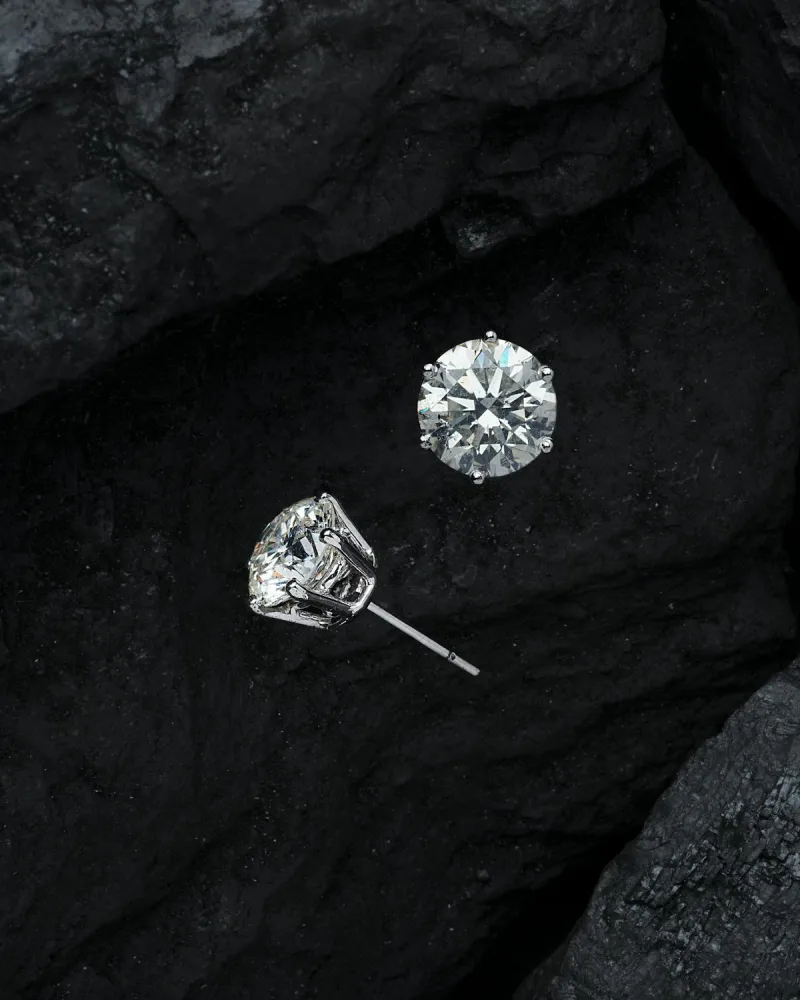
Jewellery occupies a unique position at the intersection of personal adornment and financial asset. While most people buy jewellery primarily for beauty and sentiment, understanding which pieces tend to retain more value than others can still inform smarter purchasing decisions. Not all jewellery performs the same way on resale, and the gap between strong and weak categories can be substantial.
This guide examines the factors that determine whether jewellery maintains its value, which categories of pieces have the strongest track records, and how to approach jewellery as both a personal treasure and a potential store of wealth.
The Reality of Jewellery as Investment
Before examining specific categories, it is important to set realistic expectations. Most retail jewellery loses a significant portion of its value the moment you walk out of the shop, much like a new car driving off the lot. The retail markup covers design, manufacturing, branding, overhead, and profit margin – none of which transfer to the resale market.
However, certain categories of jewellery can retain more value than others, and some exceptional pieces have historically appreciated strongly. The key is understanding which factors drive resale value and focusing your purchases accordingly if investment potential matters to you.
Gold Jewellery: The Foundation of Value
Gold has been a store of value for millennia, and gold jewellery provides a tangible, wearable form of this asset. The value retention of gold jewellery depends on several factors:
- Karat weight – Higher karat gold (22ct and 24ct) retains value better because it contains more pure gold. A 22ct gold bangle has significantly more melt value than a 9ct equivalent of the same weight
- Weight – Heavier pieces contain more gold and thus more intrinsic material value
- Making charges – Simple designs have lower making charges as a percentage of total cost, meaning more of your money buys actual gold
- Brand premium – Generic gold jewellery sells at or near melt value, while certain luxury brands (Cartier, Van Cleef & Arpels, Bulgari) command premiums on the secondary market
Gold Price Appreciation
The gold price has appreciated substantially over the past two decades, meaning people who purchased gold jewellery years ago may find their pieces worth more than the original purchase price, even accounting for retail markups. However, past performance does not guarantee future returns.
Diamonds: A Complex Value Proposition
The relationship between diamonds and value retention is more nuanced than many buyers realise:
- Standard diamonds – Most retail diamonds resell for materially less than their original purchase price. Retail markup and the difficulty of consumer resale are major reasons
- Investment-grade diamonds – Exceptional stones (typically larger natural diamonds with top colour, clarity, cut, and strong documentation) can perform better, but this is a narrow part of the market
- Fancy colour diamonds – Natural fancy intense and vivid colour diamonds can command strong prices at auction, though this is a specialist market rather than a typical jewellery-buying outcome
- Lab-grown diamonds – These have minimal resale value and continue to decrease in price as production technology improves
Coloured Gemstones: Hidden Value Champions
Fine coloured gemstones have often performed better than ordinary commercial jewellery on the secondary market, especially when rarity, treatment status, origin, and documentation align:
| Gemstone | Value Retention | Key Value Drivers | Investment Grade Criteria |
|---|---|---|---|
| Burmese ruby | Excellent | Origin, no heat treatment, vivid colour | Over 2 carats, unheated, pigeon blood red |
| Kashmir sapphire | Excellent | Rarity, velvety blue, no heat | Over 3 carats, unheated, cornflower blue |
| Colombian emerald | Very good | Origin, minor oil, vivid green | Over 3 carats, minor treatment, vivid |
| Alexandrite | Excellent | Strong colour change, size | Over 1 carat, strong change, Russian origin |
| Padparadscha sapphire | Very good | Rarity, pink-orange colour | Over 2 carats, natural colour |
Branded and Designer Jewellery
Certain luxury brands maintain strong resale values due to their reputation, recognisability, and desirability:
- Cartier – Iconic designs often show strong secondary-market demand, especially when condition and authenticity are strong
- Van Cleef & Arpels – Recognisable collections and high-jewellery pieces can perform well in resale channels
- Tiffany & Co. – Classic designs often resell better than more fashion-driven pieces
- Bulgari – Signature collections can benefit from recognisable design language and brand demand
- Graff, Harry Winston – High-jewellery pieces from these houses may be treated as collectibles, but this is a niche market
Antique and Vintage Jewellery
Period jewellery from recognised eras (Georgian, Victorian, Art Nouveau, Art Deco, Retro) has generally appreciated over time. The combination of historical significance, irreplaceable craftsmanship, and diminishing supply creates a favourable value trajectory. Key factors include:
- Condition and originality (unmodified pieces are more valuable)
- Provenance and documentation
- Representativeness of the period's style
- Quality of materials and craftsmanship
- Rarity of the design or maker
What Does Not Hold Value
Understanding what depreciates helps you avoid overpaying when value retention is a priority:
- Fashion jewellery – Trend-driven pieces lose value as styles change
- Heavily branded but not luxury – Mid-market branded jewellery (Pandora, Swarovski) depreciates significantly
- Heavily treated gemstones – Filled, coated, or heavily treated stones have poor resale prospects
- Lab-grown diamonds – Prices continue to fall as supply increases
- Low-karat gold with high design charges – 9ct gold with significant making charges has limited melt value and limited design premium
- Silver jewellery – While silver has intrinsic value, the amounts in most jewellery are too small to represent meaningful stores of wealth
Maximising Value Retention
If value retention is important to you, follow these principles:
- Buy the highest quality you can afford rather than the largest quantity
- Insist on certification from recognised laboratories
- Choose classic, timeless designs over trend-driven pieces
- Maintain your pieces properly with regular care and maintenance
- Keep all original documentation, boxes, and receipts
- Buy from established, reputable sources
- Consider higher karat gold for intrinsic metal value
Frequently Asked Questions
Is jewellery a good financial investment?
Jewellery should primarily be purchased for personal enjoyment. While certain categories (fine coloured gemstones, high-end branded pieces, gold) can appreciate, jewellery generally lacks the liquidity, transparency, and consistent returns of traditional financial investments.
Will my engagement ring hold its value?
Standard engagement rings often resell for substantially less than their original retail purchase price. Exceptional stones, prestigious brands, or unique vintage pieces may perform better, but resale outcomes vary widely by quality, documentation, and selling channel.
Is gold jewellery better than gold bullion for investment?
For pure investment purposes, gold bullion is superior because it trades closer to spot price with lower premiums. Gold jewellery combines investment and enjoyment but carries making charges that bullion does not.
How do I sell jewellery for the best price?
Auction houses can produce strong results for rare or high-value pieces. Specialist dealers and consignment services may suit mid-range items. Lower-offer channels such as pawnbrokers or quick-sale gold buyers usually trade price for speed and convenience.
Does the brand name really matter for resale?
For certain top-tier luxury brands, yes significantly. A Cartier Love bracelet in 18ct gold will sell for considerably more on the secondary market than an identical-weight, identical-purity unbranded bangle. Brand recognition, desirability, and authenticity drive this premium.