Jewellery Repair Basics: Understanding Common Fixes and Costs
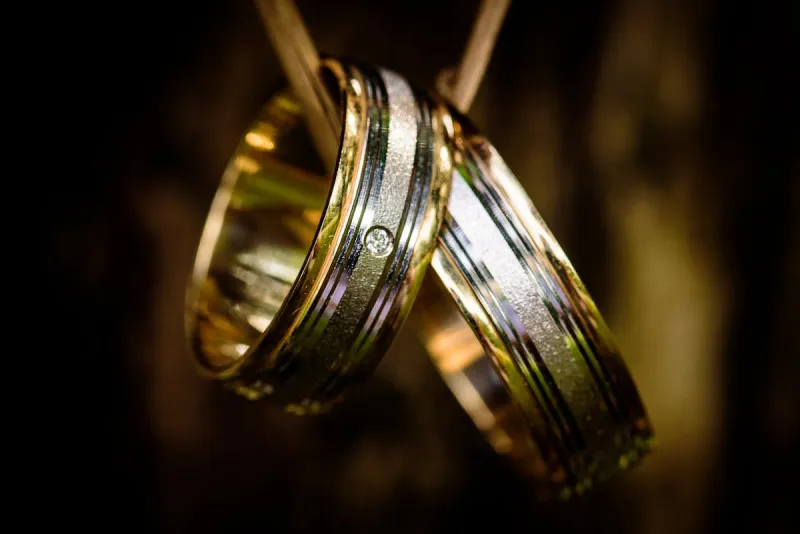
Even the finest jewellery will eventually need repair. Daily wear takes its toll on precious metals and settings, and accidents can damage even well-cared-for pieces. Understanding common jewellery repairs empowers you to recognise problems early, communicate effectively with jewellers, make informed decisions about repair versus replacement, and budget appropriately for maintenance. This guide covers the most frequent repairs, their approximate costs, and guidance on what you can handle at home versus what requires professional expertise.
Ring Resizing
Ring resizing is the most commonly requested jewellery repair. Fingers change size due to weight fluctuation, temperature, pregnancy, and ageing. Most rings can be resized one to two sizes in either direction.
Sizing Up
The jeweller cuts the band, adds a small piece of matching metal, solders it in place, and refinishes the seam. This is generally straightforward for plain bands but more complex for rings with stones around the entire circumference.
Sizing Down
The jeweller removes a small section of the band, joins the ends, solders, and refinishes. This is typically easier than sizing up and slightly less expensive.
Limitations
- Eternity bands with stones around the entire circumference are very difficult to resize
- Tungsten and titanium rings cannot be resized
- Rings with intricate patterns on the band may show a visible seam after resizing
- Sizing more than two sizes risks distorting the ring shape
Typical cost: Thirty to one hundred pounds for standard resizing; more for platinum or complex designs.
Prong Retipping and Replacement
Prongs are the small metal claws that hold gemstones in place. Over time, prongs wear thin from daily friction and impact, eventually reaching a point where they can no longer securely hold the stone. This is one of the most important repairs to address promptly, as a worn prong can result in a lost diamond or gemstone.
Warning Signs
- Prongs appear visibly thin or flat compared to when the ring was new
- The gemstone moves or rattles slightly when gently pressed
- A prong has a notch or groove worn into it
- One prong appears shorter than the others
The Repair Process
Retipping involves adding new metal to the worn tip of each prong and reshaping it over the gemstone. In more severe cases, entire prongs may need to be replaced. The stone is temporarily removed, the new prong is constructed and soldered in place, and the stone is reset.
Typical cost: Twenty to fifty pounds per prong for retipping; fifty to one hundred pounds per prong for full replacement.
Chain Repair
Chains are among the most delicate jewellery types and frequently need repair. Common issues include:
- Broken links – The most common chain repair. The jeweller solders the broken link closed using matching metal. Most chain types can be repaired invisibly
- Stretched or kinked chains – Fine chains can stretch from being pulled or caught. While mild kinking can sometimes be worked out, severely stretched chains may need a section replaced
- Clasp replacement – Worn or broken clasps can be replaced with new ones. A good jeweller will match the clasp style and metal to the chain
| Repair Type | Difficulty | Typical Cost | Turnaround Time |
|---|---|---|---|
| Ring resizing (standard) | Moderate | 30-100 pounds | 1-3 days |
| Prong retipping (per prong) | Moderate | 20-50 pounds | 1-2 days |
| Chain link repair | Low-moderate | 15-40 pounds | Same day-1 day |
| Clasp replacement | Low | 15-50 pounds | Same day-1 day |
| Stone replacement | Moderate-high | Varies widely (stone cost + labour) | 3-14 days |
| Rhodium replating | Low | 40-100 pounds | 1-2 days |
| Earring post repair | Low | 10-30 pounds | Same day |
| Ring shank replacement | High | 100-300+ pounds | 5-14 days |
Stone Resetting and Replacement
Lost or damaged stones need replacement and resetting. The process involves sourcing a matching stone (or using the original if recovered), preparing the setting, and securing the new stone in place. For significant stones, ensure the replacement matches the original's quality as documented in the certification.
Earring Repairs
Common earring repairs include:
- Post replacement – Bent or broken posts can be replaced by soldering a new post to the earring back
- Clip conversion – Converting pierced earrings to clip-on or vice versa
- Back replacement – Lost earring backs (butterflies, screw-backs) are easily replaced
- Hinge repair – Huggie and hoop earring hinges can wear or break, requiring precise repair
When DIY Is Appropriate
Some minor maintenance can be handled at home:
- Replacing earring backs – Standard push-on backs are universal and available from any jewellery supplier
- Gently straightening a bent earring post – Using flat-nose pliers with padded jaws
- Tightening a screw-back earring – Simply twist to tighten
- Minor clasp adjustment – Gently bending a lobster clasp back into shape
When to Always Seek Professional Help
- Any repair involving soldering (chains, rings, prongs)
- Stone resetting or prong work
- Ring resizing
- Restringing pearls (requires specialised knotting technique)
- Antique or valuable pieces where DIY mistakes are costly
- Any repair on pieces with significant sentimental or financial value
Preventing the Need for Repairs
Many repairs are preventable through proper care:
- Regular professional inspections catch worn prongs and loose stones early
- Remove rings during heavy manual work to prevent bending and denting
- Store pieces properly to prevent scratching and tangling, as described in our storage guide
- Avoid wearing delicate chains during sleep (catching and stretching)
- Have clasps and closures checked annually
Choosing a Repair Jeweller
- Look for qualified bench jewellers with formal training and experience
- Ask to see examples of previous repair work
- Get a written quote before authorising any work
- Ensure the jeweller has insurance covering your piece while in their possession
- Ask about guarantees on repair work (reputable jewellers typically guarantee their work for at least six months)
- For valuable pieces, consider returning to the original retailer or manufacturer
Frequently Asked Questions
How do I know if my ring needs prong repair?
Run your fingernail gently over each prong. If you feel a rough edge, a catch, or if the stone moves when gently pressed from the side, the prongs need professional attention. Any visible thinning, notching, or asymmetry also warrants inspection.
Can a broken chain always be repaired?
Most chains can be repaired, but some very fine or unusual chain types may be more challenging. The repair is typically invisible on standard link chains. For rope chains and serpentine chains, the repair may be slightly visible but structurally sound.
Is it worth repairing cheap jewellery?
Generally, if the repair cost exceeds 50% of the replacement cost, replacement is more practical unless the piece has sentimental value. For pieces with sentimental significance, repair is worthwhile regardless of monetary value.
How long should jewellery repairs take?
Simple repairs like chain soldering or clasp replacement can often be done the same day. Resizing typically takes one to three days. More complex work like stone replacement or shank repair may take one to two weeks. Rush services are available at most jewellers for an additional fee.
Will repairs affect my jewellery's value?
Professional repairs performed by a qualified jeweller do not diminish value. In fact, maintaining your jewellery through proper repair preserves its value better than allowing damage to worsen. For antique pieces, however, inappropriate repairs or modifications can reduce value, so always use a specialist.
Conclusion
Understanding jewellery repair basics helps you maintain your collection proactively, budget for necessary maintenance, and communicate effectively with jewellers. The most important takeaway is the value of regular inspection: catching a worn prong before a stone is lost, or a weakened chain link before it breaks, saves both money and heartbreak. Combine preventive care with prompt attention to developing issues, and your jewellery will provide decades of beautiful, reliable wear.
For comprehensive care, explore our guides on cleaning gold, polishing, and professional cleaning services. And to make smart purchasing decisions that minimise future repair needs, browse our buying guides.